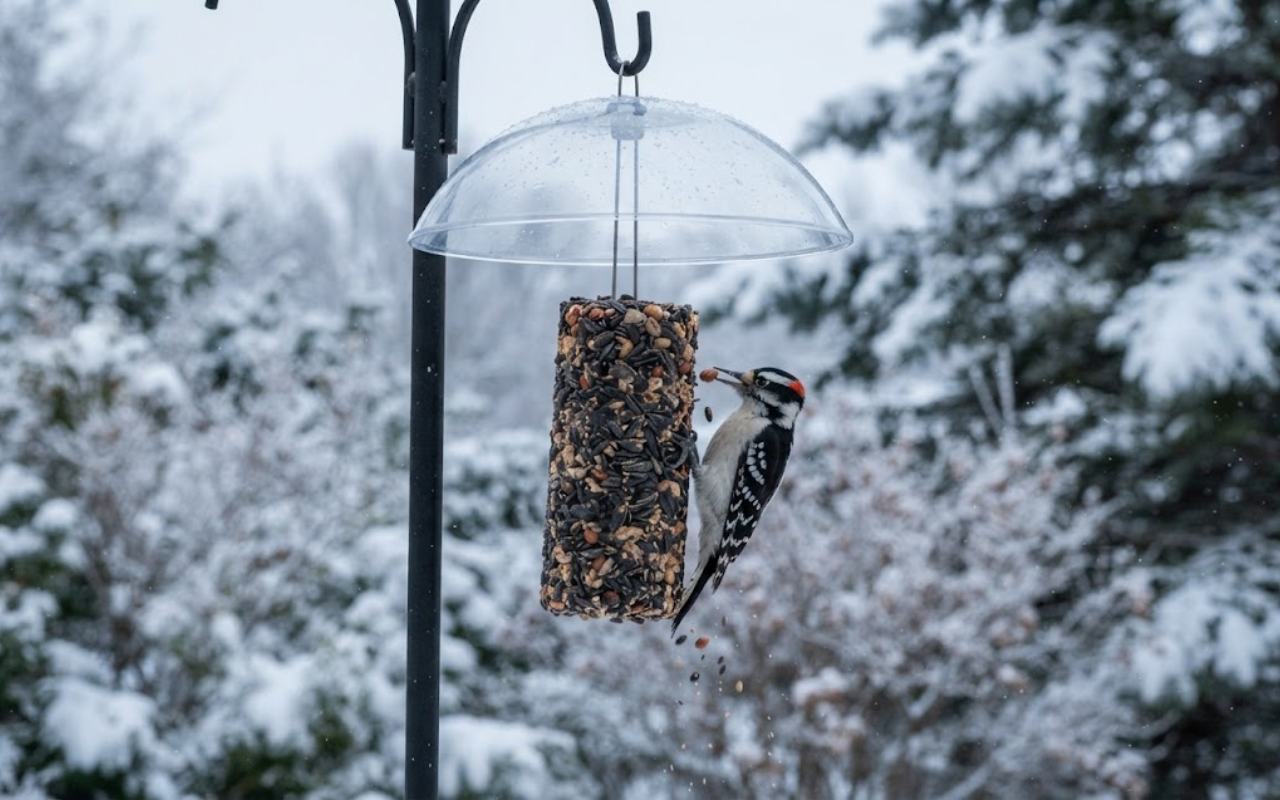
A raw, unedited backyard photo of a Hairy Woodpecker eating from a compressed seed cylinder block protected by a wide overhead clear weather dome shield on a freezing morning.

How to Use Cylinder Seed Feeders in Winter: A Complete Guide

High-density cylinder seed feeders solve the problem of loose grain blowing away or getting buried under deep snow during freezing storms. Backyard birders frequently struggle with loose seed hopper models that clog with damp snow or dump expensive sunflower hearts onto frozen soil. Solid cylinders bind calorie-rich grains, nuts, and fats into tight blocks that […]
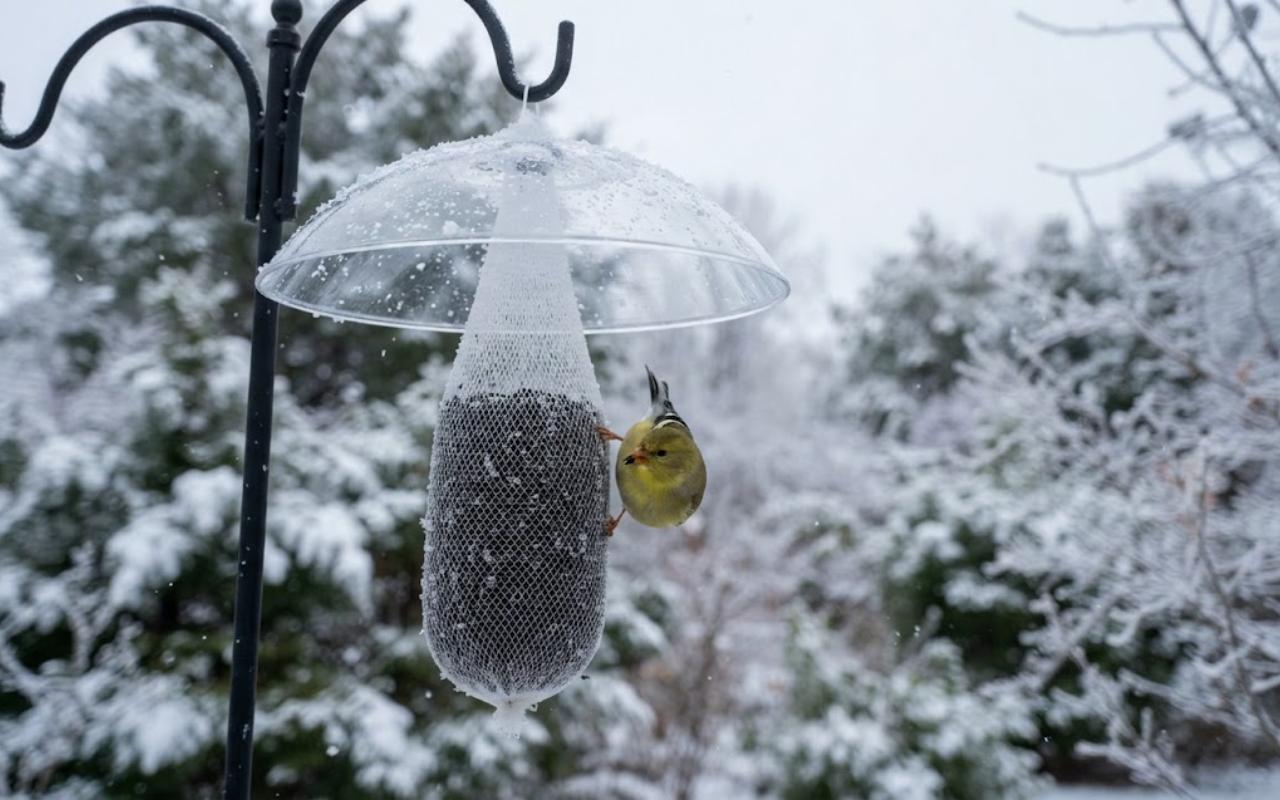
A real-world winter bird identification photo showing a drab yellow American Goldfinch clinging to a white mesh thistle sock feeder underneath a clear protective weather dome baffle during a snowstorm.

Thistle Socks in Winter Weather: How to Keep Them from Freezing

Backyard birders who struggle to prevent thistle socks from freezing during wet winter cold snaps know how quickly driving sleet ruins expensive nyjer seed. When moisture penetrates the porous mesh weave, the high-oil seed binds together, turning the feeder into an impenetrable block that goldfinches cannot penetrate. Mastering the use of thistle socks in winter […]

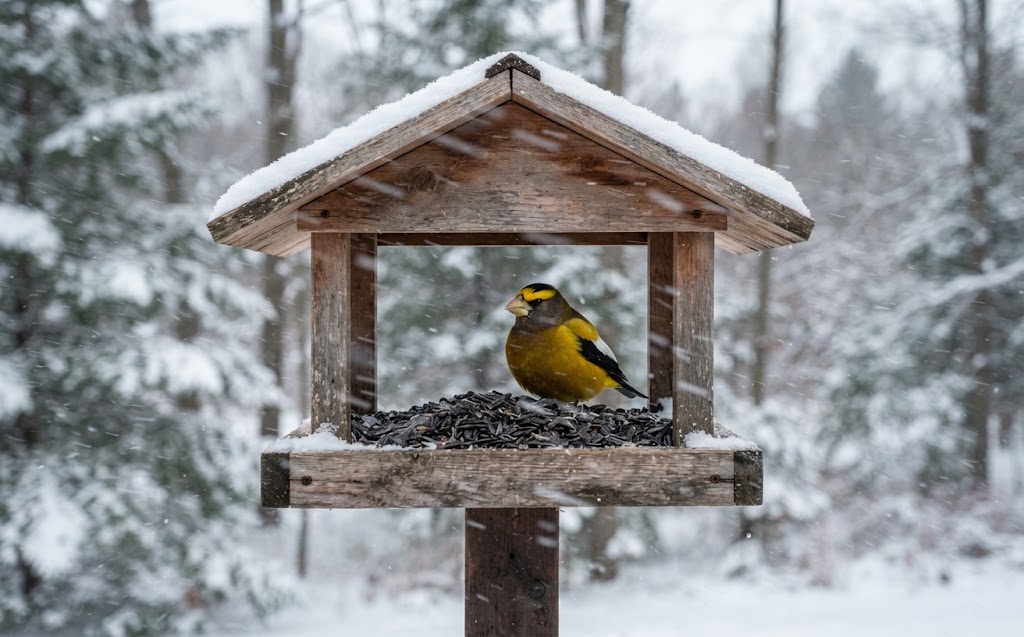
A raw, unedited backyard photo of a chunky Evening Grosbeak perched inside an open-sided cedar fly-through bird feeder during a heavy winter snowstorm.

Are Fly-Through Bird Feeders Good for Winter Storm Conditions?

Setting up fly-through bird feeders before a major winter blast gives backyard birds fast calories, but open platform designs present serious weather challenges. When freezing precipitation arrives on gusty winds, open designs often leave seed vulnerable to moisture, slush, and deep snowdrifts. Field observations show that while larger birds love the open flight path, an […]

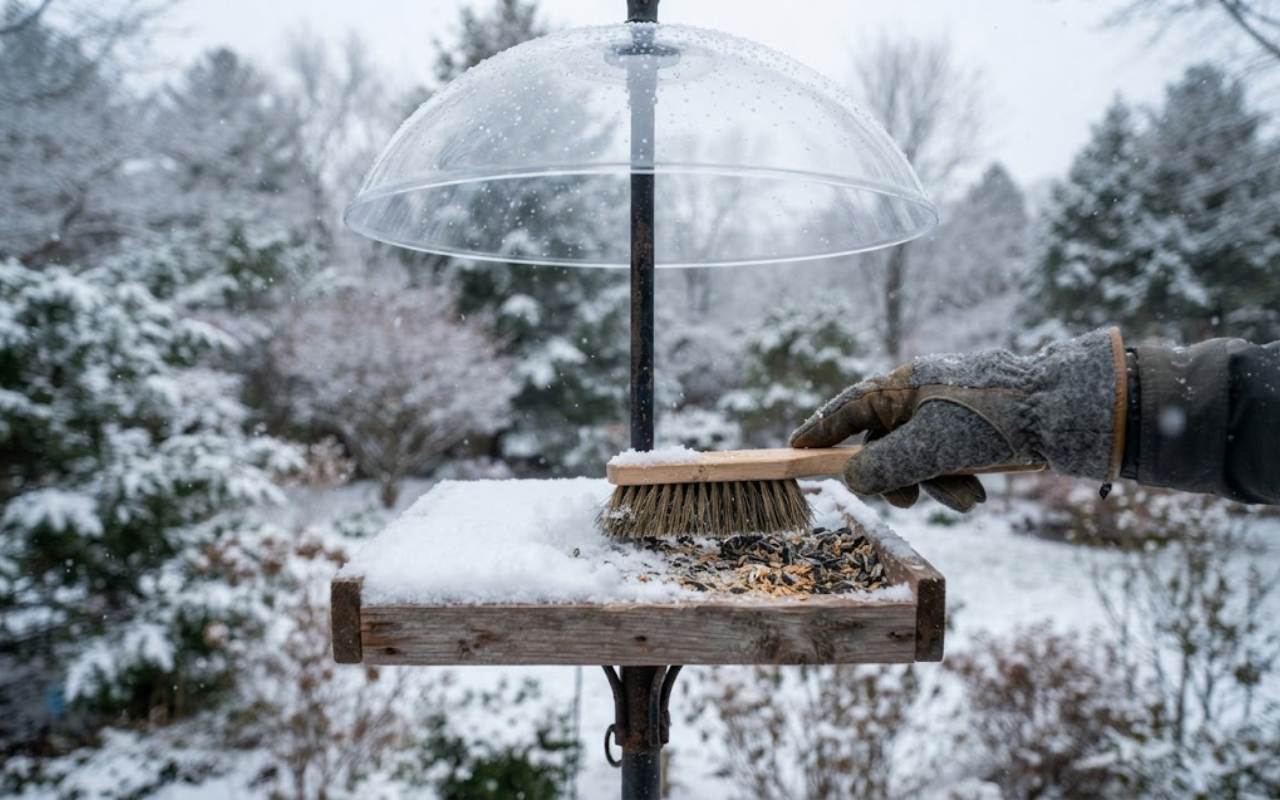
A raw, unedited backyard photo of a gloved hand brushing a fresh layer of winter snow off a cedar tray bird feeder to reveal dry sunflower seeds underneath.

Clearing Snow Off Tray Feeders: The Fastest Way to Save Your Seed

Discovering the fastest way to clear snow off tray feeders without losing seed keeps your winter birds fed while stopping expensive food waste. Experienced backyard birders have abandoned heavy scrapers in favor of targeted air movement and soft surface brushes that separate cold flakes from dry grains. Mastering the routine of clearing snow off tray […]

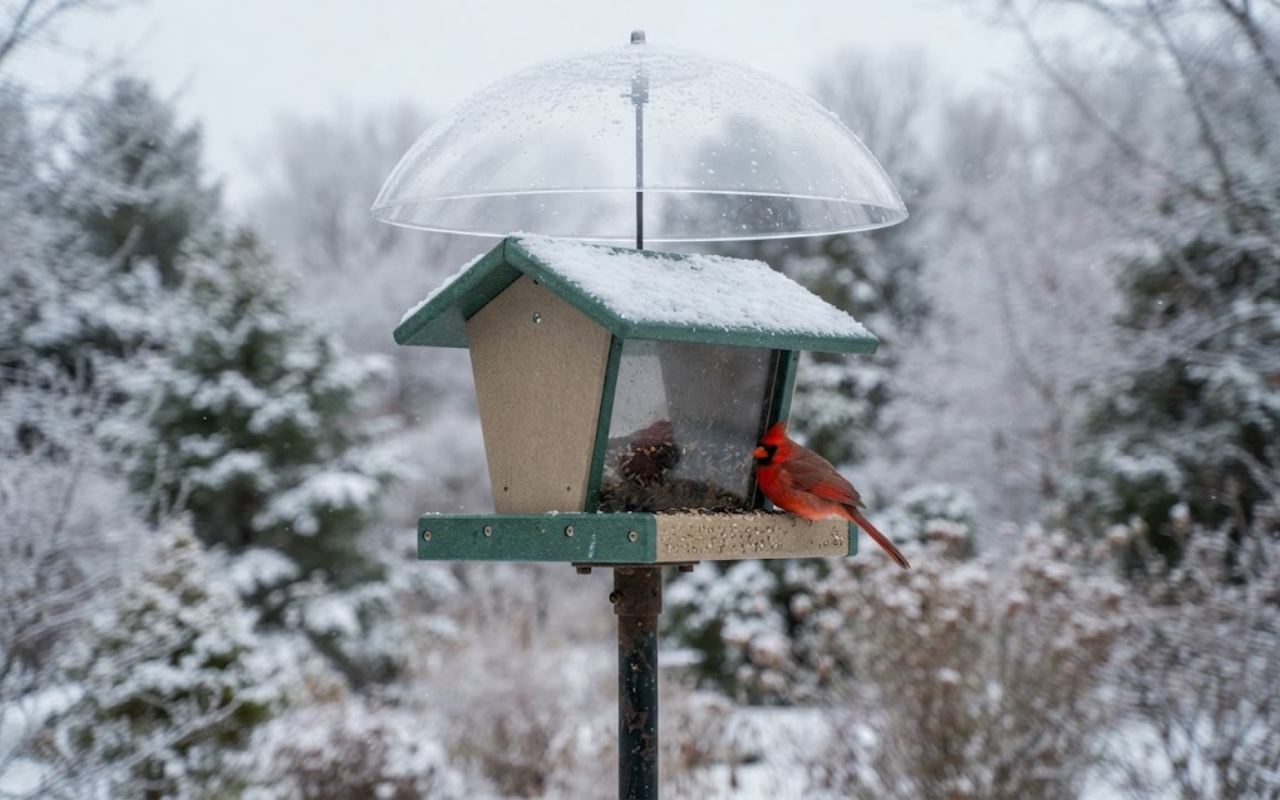
A raw, unedited backyard photo of a red Northern Cardinal perched on a clean recycled plastic hopper feeder protected by a wide overhead snow dome baffle on a freezing morning.

Preventing Frozen Hopper Feeders: 5 Materials That Stop Snow and Ice

Backyard birders know how fast winter weather packs seed troughs into solid ice, but mastering the art of preventing frozen hopper feeders and learning how to stop snow from freezing hopper feeders keeps food flowing during sub-zero storms. Heavy, wet snow routinely bridges the gap between the hopper reservoir and the feeding ledge, locking sunflower […]

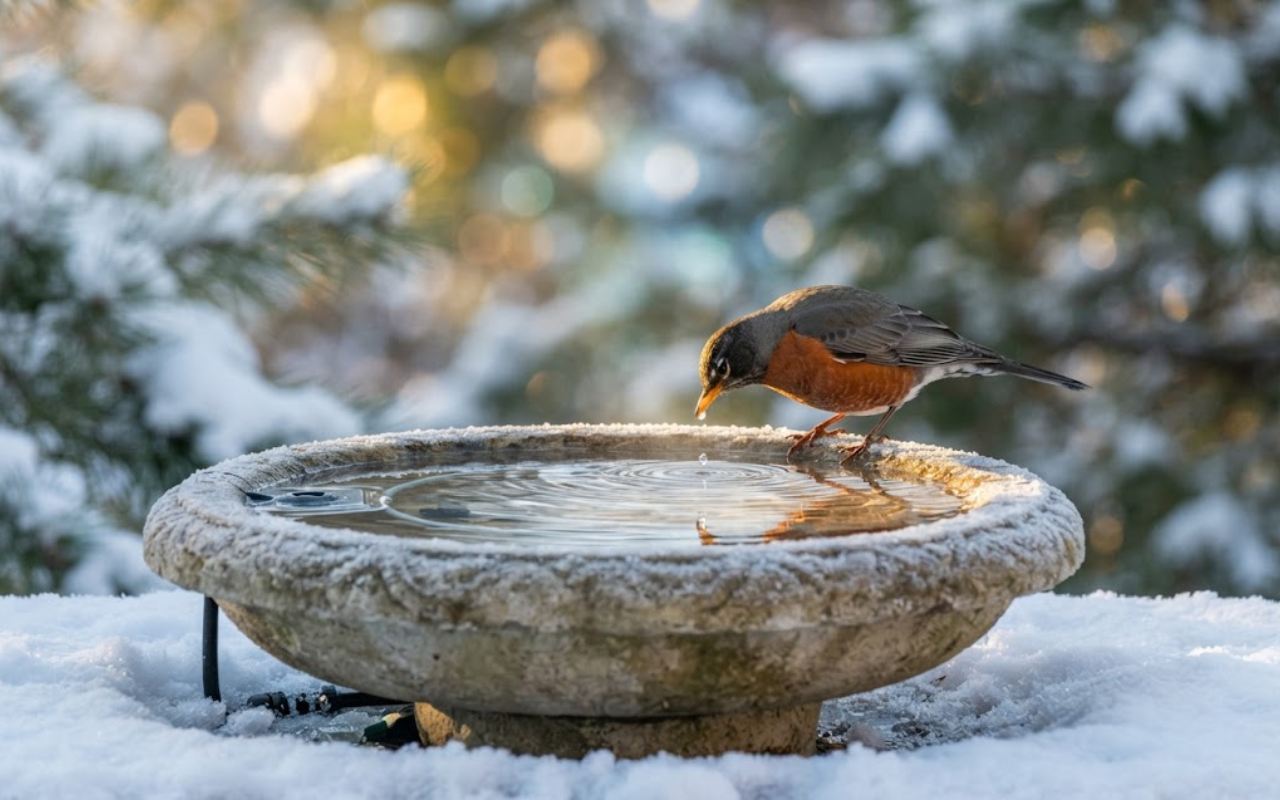
A raw, unedited backyard photo of an Eastern Bluebird drinking from a frost-free, heated stone bird bath surrounded by snow-covered cedar branches.

Warm Water Bird Bath Routine: Essential Dos and Don’ts for Backyard Birds

Starting a dependable warm water bird bath routine keeps your backyard flock alive and hydrated during harsh winter freezes without turning your yard into a death trap. Many backyard birders mistakenly believe they should pour steaming hot kettles into ice-filled basins every morning. Doing this not only shatters delicate ceramic bowls through thermal shock, but […]

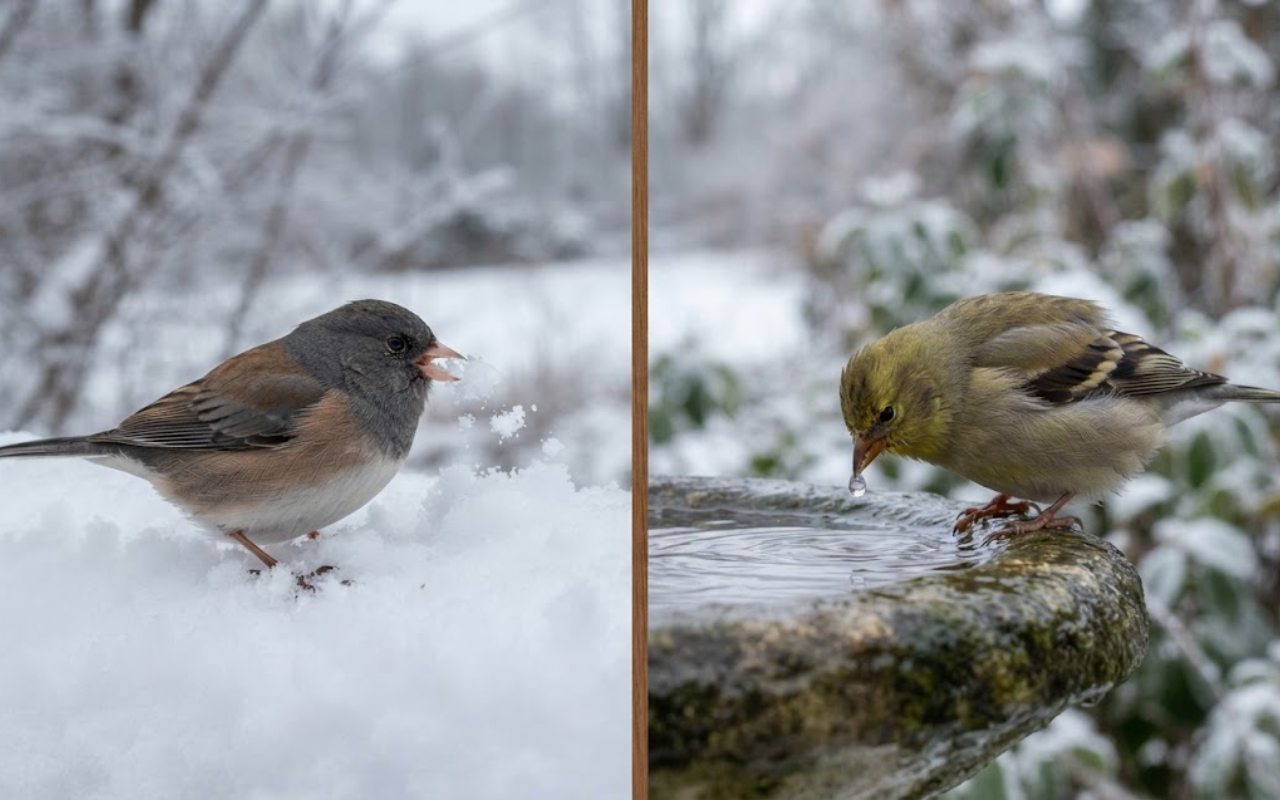
A side-by-side comparison photo showing a Dark-eyed Junco scooping up snow on the left split and a goldfinch drinking fluid from a heated basin on the right split.

How Do Birds Drink Snow? The Hidden Energy Cost of Survival

Observing how birds drink snow during freezing weather reveals a fascinating survival tactic with a hidden metabolic trade-off. Songbirds and winter residents do not swallow massive mouthfuls of ice; instead, they scoop tiny crystalline flakes with the tips of their bills to moisten their oral cavities. While this allows birds to hydrate when lakes, puddles, […]

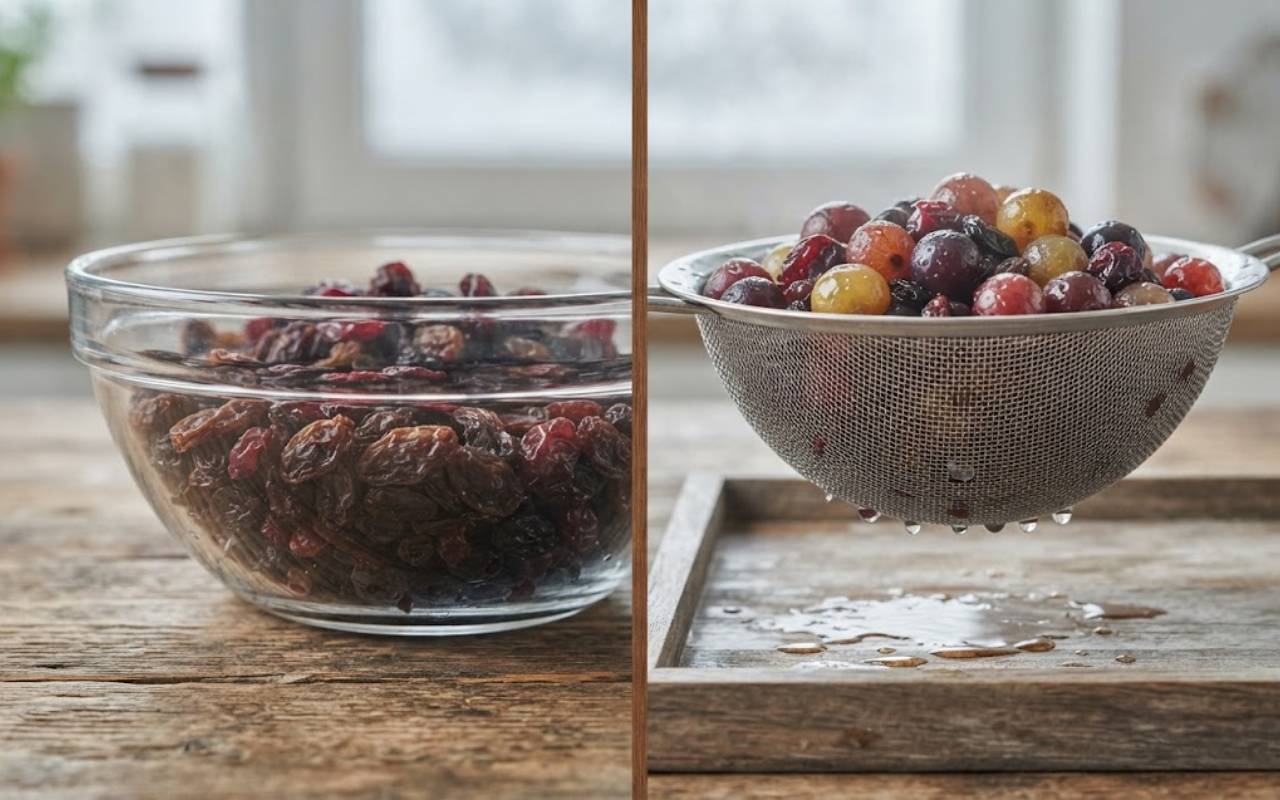
A side-by-side comparison photo showing dry shriveled raisins in a glass bowl on the left split and plump, rehydrated winter berries in a steel strainer on the right split.

How to Rehydrate Dried Fruit for Winter Robins and Bluebirds Safely

Backyard birders looking to support thrushes during freezing spells often struggle to figure out how to rehydrate dried fruit for winter robins and bluebirds without creating a soggy, frozen mess. American Robins and Eastern Bluebirds switch their diets heavily toward wild berries when cold ground temperatures lock away earthworms and insects. Standard store-bought dried fruits […]

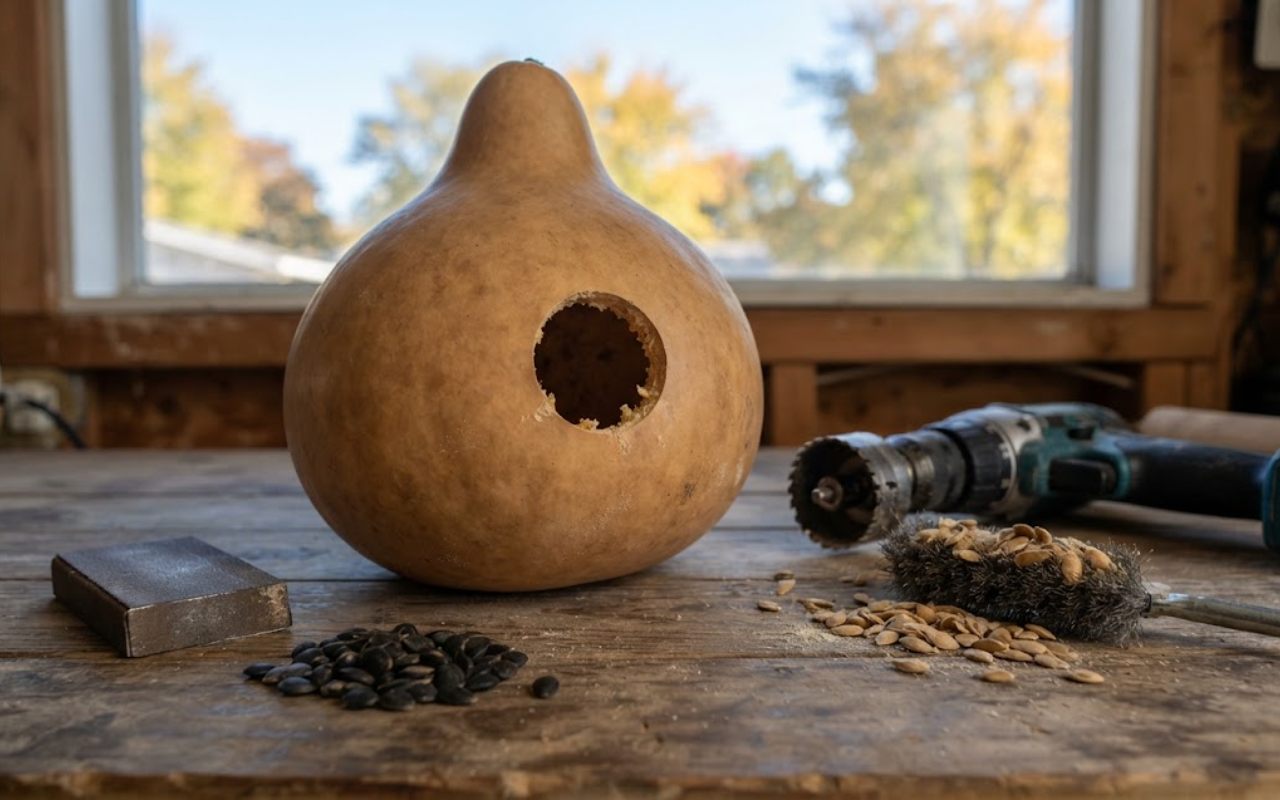
A raw, unedited workshop photo of a dried tan bottle gourd being crafted into a birdhouse next to a hand drill, a wire brush, and loose seeds on a wooden workbench.

Gourd Bird Houses DIY: How to Dry and Hollow Out Gourds

Learning how to dry and hollow out gourds for fall bird houses allows backyard conservationists to transform late-season garden harvests into durable, species-specific avian shelters. Hard-shell birdhouse gourds (Lagenaria siceraria) provide exceptional insulation and natural microclimates for cavity-nesting species when harvested after the vine completely withers in autumn. Standard garden guides often gloss over the […]

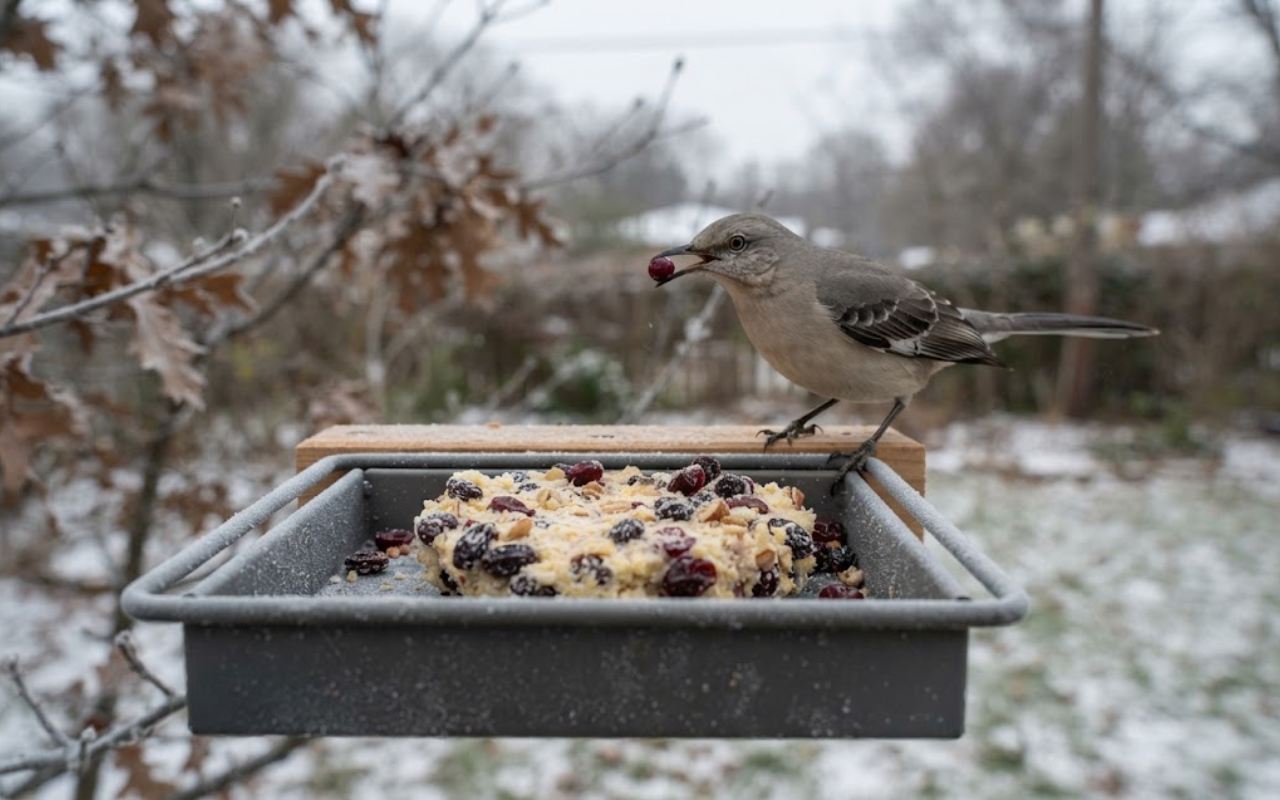
A raw, unedited backyard photo of a grey Northern Mockingbird perched on an open platform tray feeder containing a berry-packed winter suet cake on a frosty morning.

Best Berry and Nut Suet Cakes to Attract Winter Mockingbirds

Selecting the best berry and nut suet cakes to attract winter mockingbirds requires understanding that these birds are not typical backyard seed eaters. While finches and sparrows crowd hopper feeders for sunflower seeds, Northern Mockingbirds spend cold months scouring trees for lingering wild fruits and dormant insects. Offering high-lipid cakes packed with authentic fruit and […]