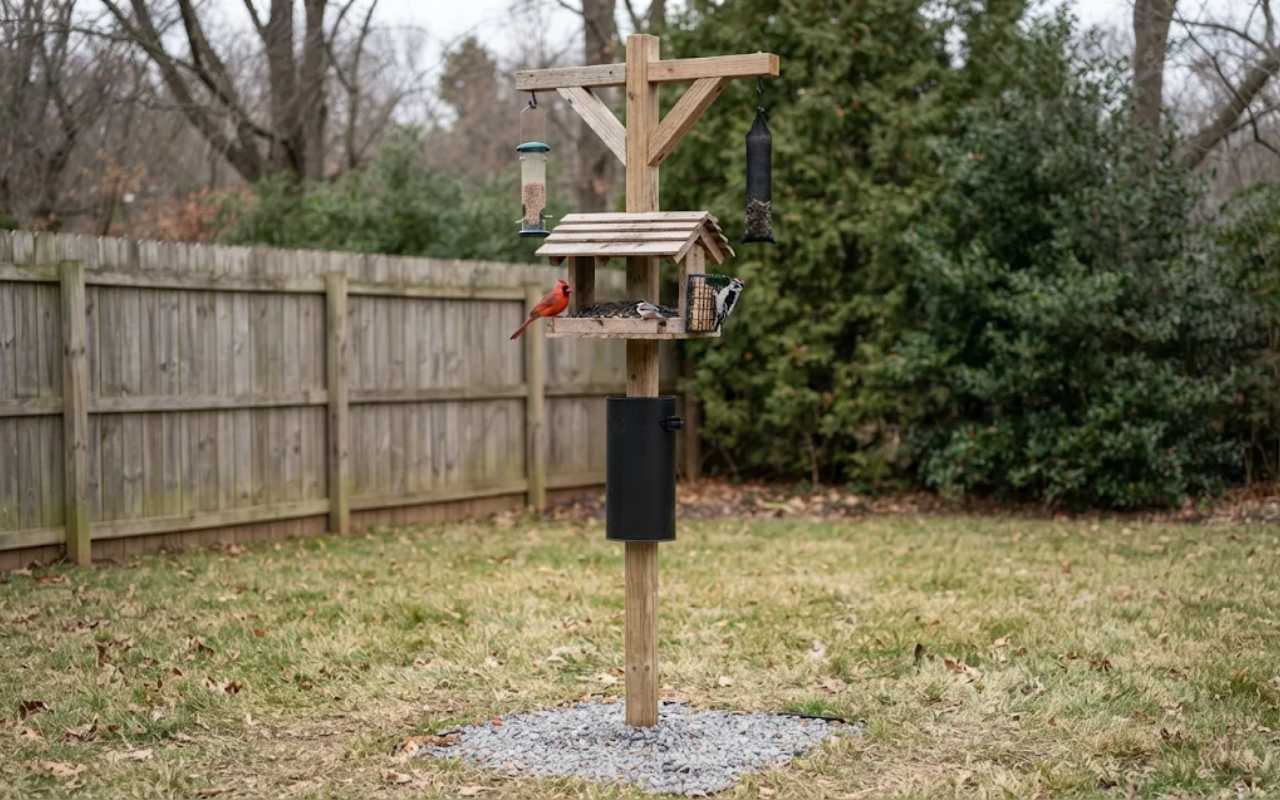
A tall freestanding DIY pallet wood bird feeder station set in crushed gravel in a backyard, featuring a black cylindrical squirrel baffle, a covered wooden seed tray filled with black oil sunflower seeds where a male Northern Cardinal and Black-capped Chickadee perch, a side wire suet cage with a Downy Woodpecker, and a top wooden cross-arm holding a tube feeder and nyjer sock.

Build a Complete Backyard Feeding Station Using Free Pallet Wood

Building a pallet wood bird feeder station turns salvaged shipping slats into a multi-level backyard feeding hub without spending a dime on lumber. Instead of buying separate metal shepherd’s hooks that tip over in wet soil or rust out after two winters, a freestanding timber post anchored in crushed gravel holds a roofed seed hopper, […]
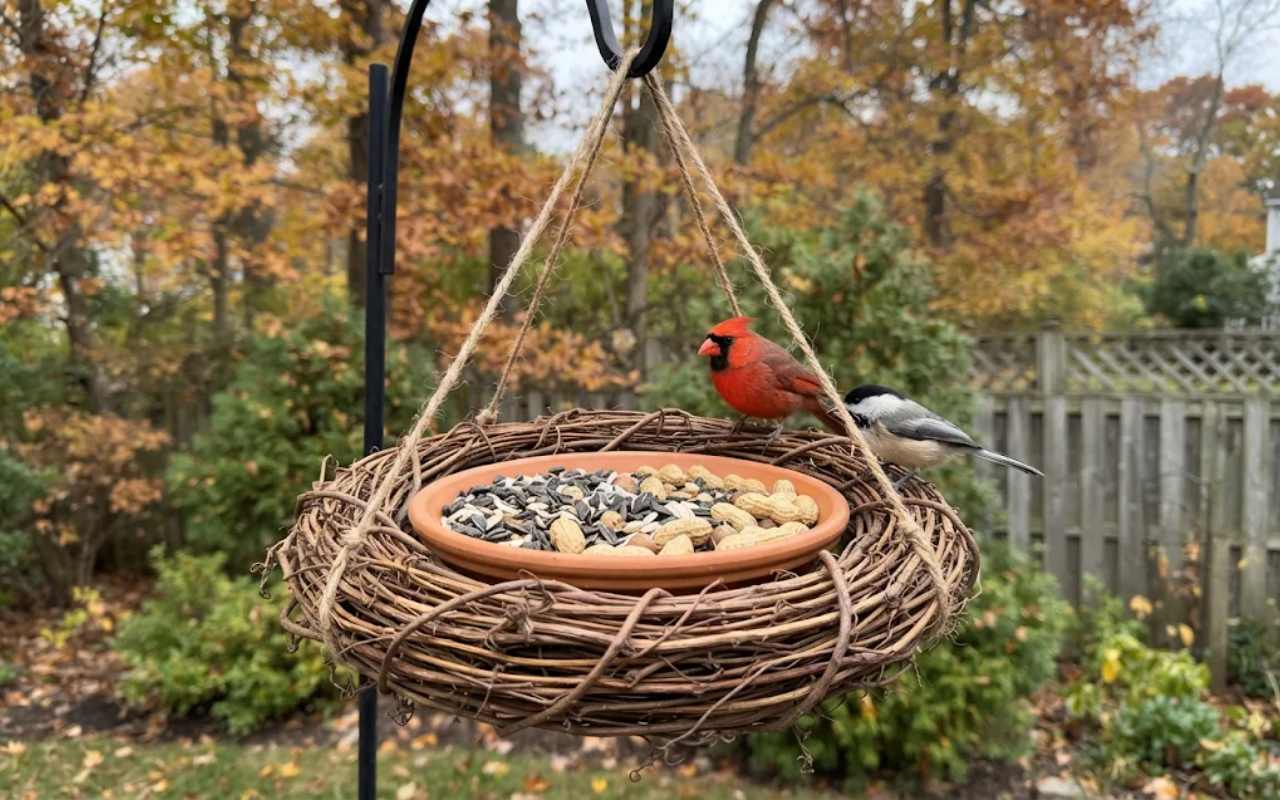
A male Northern Cardinal and a Black-capped Chickadee perch on the rim of a DIY hanging grapevine wreath bowl bird feeder suspended by four strands of jute twine from a shepherd's hook in autumn, holding a terracotta saucer filled with sunflower seeds, safflower seeds, and whole peanuts.

DIY Grapevine Wreath Bowl Bird Feeder: Easy Autumn Seed Nest Tutorial

Building a grapevine wreath bowl bird feeder transforms an ordinary craft-store vine ring into a rustic, high-capacity feeding platform that looks like a natural woven nest. Unlike narrow plastic tube feeders that force larger backyard birds to hover or crowd around tiny pegs, a wide grapevine bowl provides a secure, grippy rim where cardinals, chickadees, […]

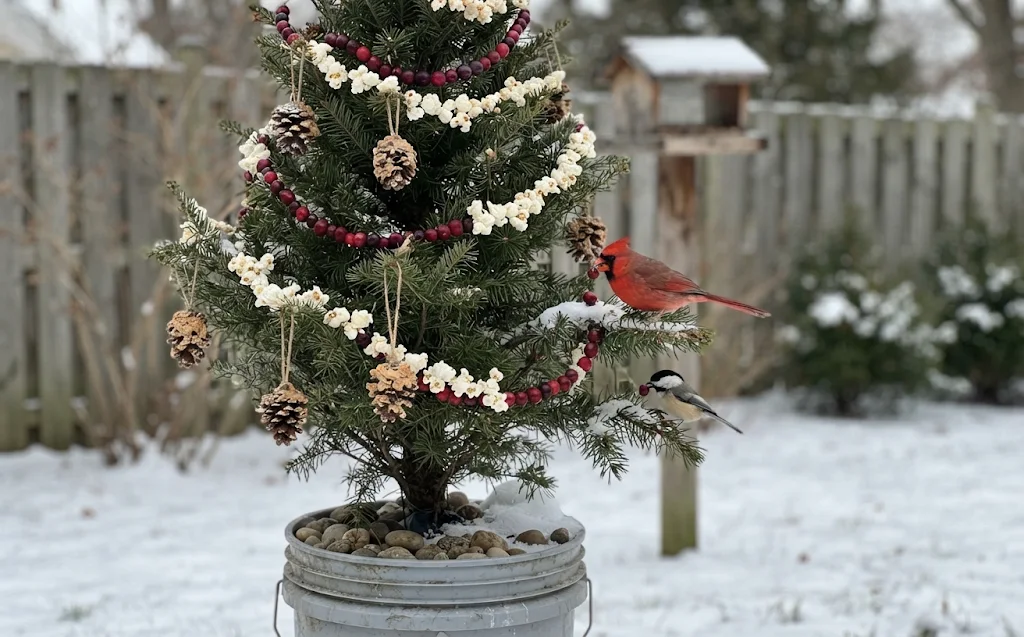
A male Northern Cardinal and a Black-capped Chickadee perch on a repurposed fir Christmas tree anchored in a stone-filled bucket near a wooden bird feeder in winter, decorated with cranberry and popcorn garlands and seed pine cones.

5 Ways of Repurposing Your Old Christmas Trees for Backyard Bird Shelter

Repurposing Christmas trees for birds transforms your post-holiday conifer into vital winter cover when deciduous trees are bare and sub-zero winds sweep across open yards. Instead of dragging a bare Fraser fir or Scotch pine to the curb for municipal chipping, placing that dense evergreen structure near your feeding station shields overwintering songbirds from freezing […]

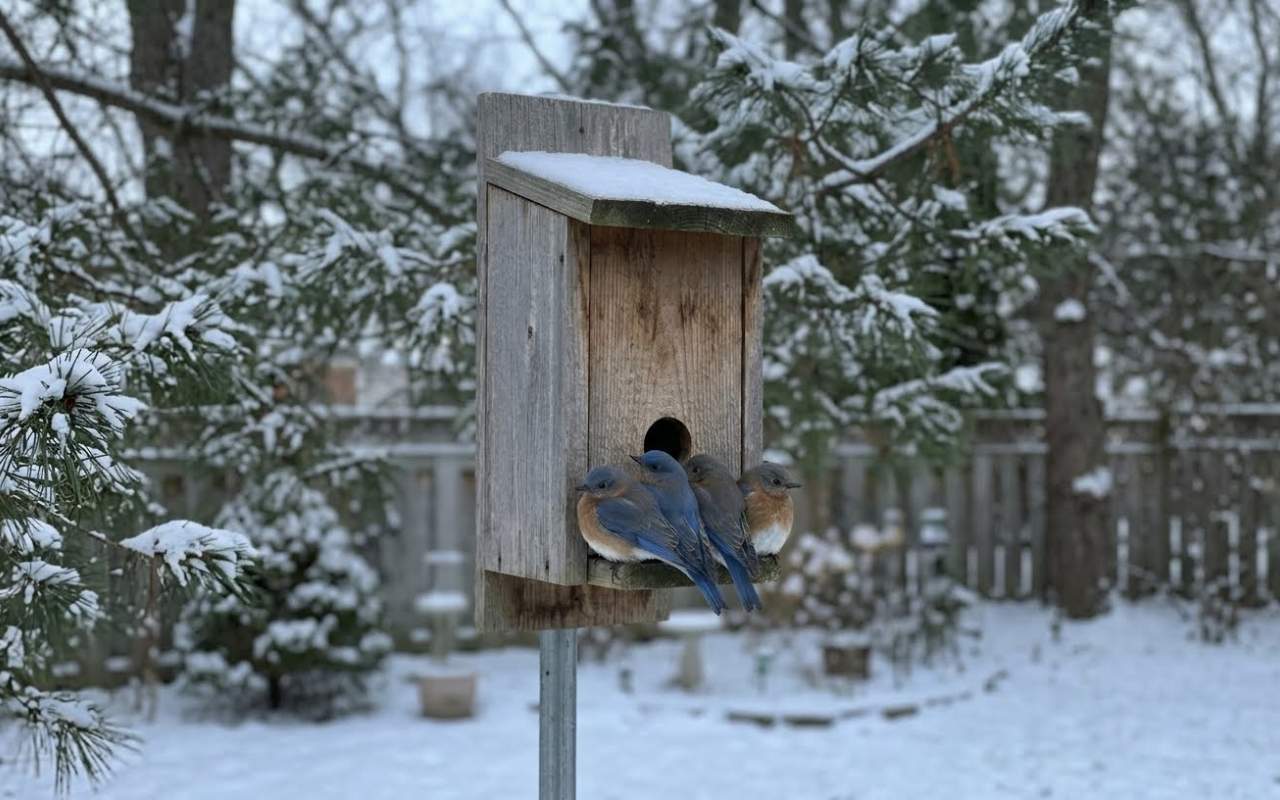
Four Eastern Bluebirds huddle tightly together at the bottom entrance hole of a weathered cedar winter roost box mounted on a metal pole in a snowy backyard.

Which Backyard Bird Species Exhibit Group Huddling Behavior in Winter?

Observing huddling behaviour in winter birds reveals one of nature’s most effective survival strategies against sub-zero nights. When temperatures drop, small backyard songbirds lose body heat rapidly because their high surface-area-to-volume ratio causes warmth to escape quickly. To survive until dawn without burning through all their fat reserves, several cavity-roosting species temporarily set aside territorial […]

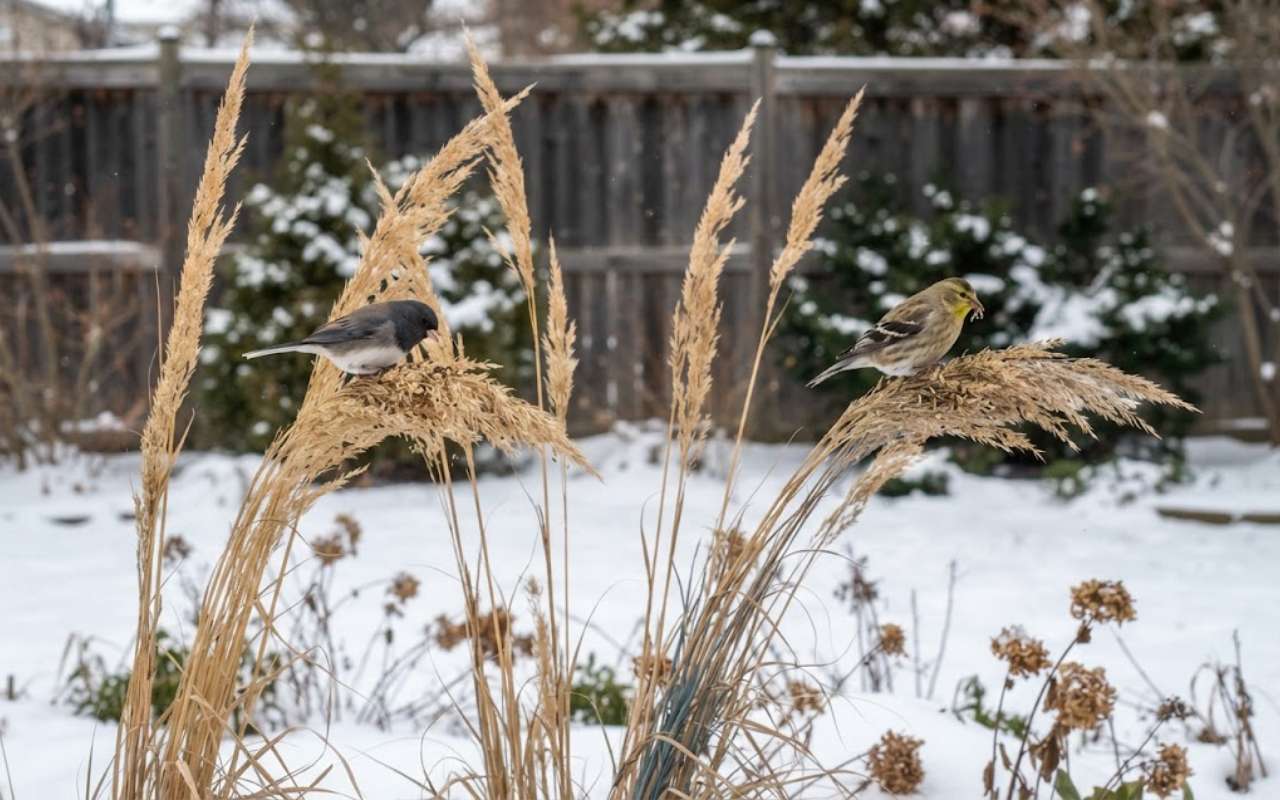
A Dark-eyed Junco and a winter-plumage American Goldfinch perch on tall golden-tan Switchgrass plumes in a snow-covered backyard garden, eating natural seeds above the snow.

Why You Shouldn’t Cut Down Ornamental Grasses Until Spring for Winter Birds

Leaving ornamental grasses standing through winter gives winter birds critical natural seedheads, thermal windbreaks, and protective roosting cover. While traditional autumn yard cleanup urges gardeners to shear perennials down to the soil in October, waiting until early spring transforms your dormant garden beds into a self-sustaining winter survival station for backyard songbirds. Intact grass plumes […]

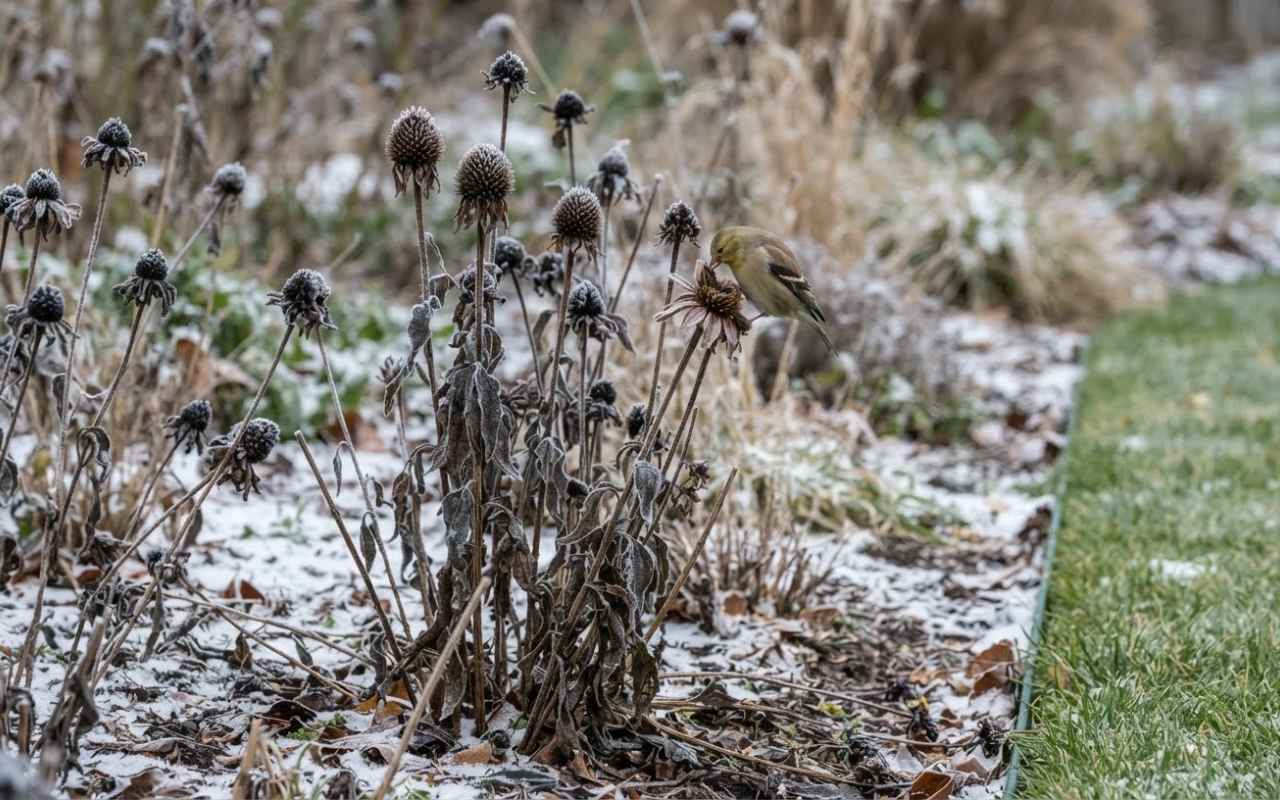
An American Goldfinch perched on a frost-covered purple coneflower seed head in a winter garden, demonstrating the value of leaving dead perennials for winter birds.

Why Leaving Dead Perennials for Winter Birds Creates a Natural Buffet

Practicing leaving dead perennials for winter birds creates a resilient, disease-free food supply that sustains native songbirds through the most punishing freezing cycles of the year. While manicured autumn yard work strips landscapes bare, uncut native stems hold high-lipid seed caches and sheltered dormant insects well above the heavy winter snowpack. Recent community discussions on […]

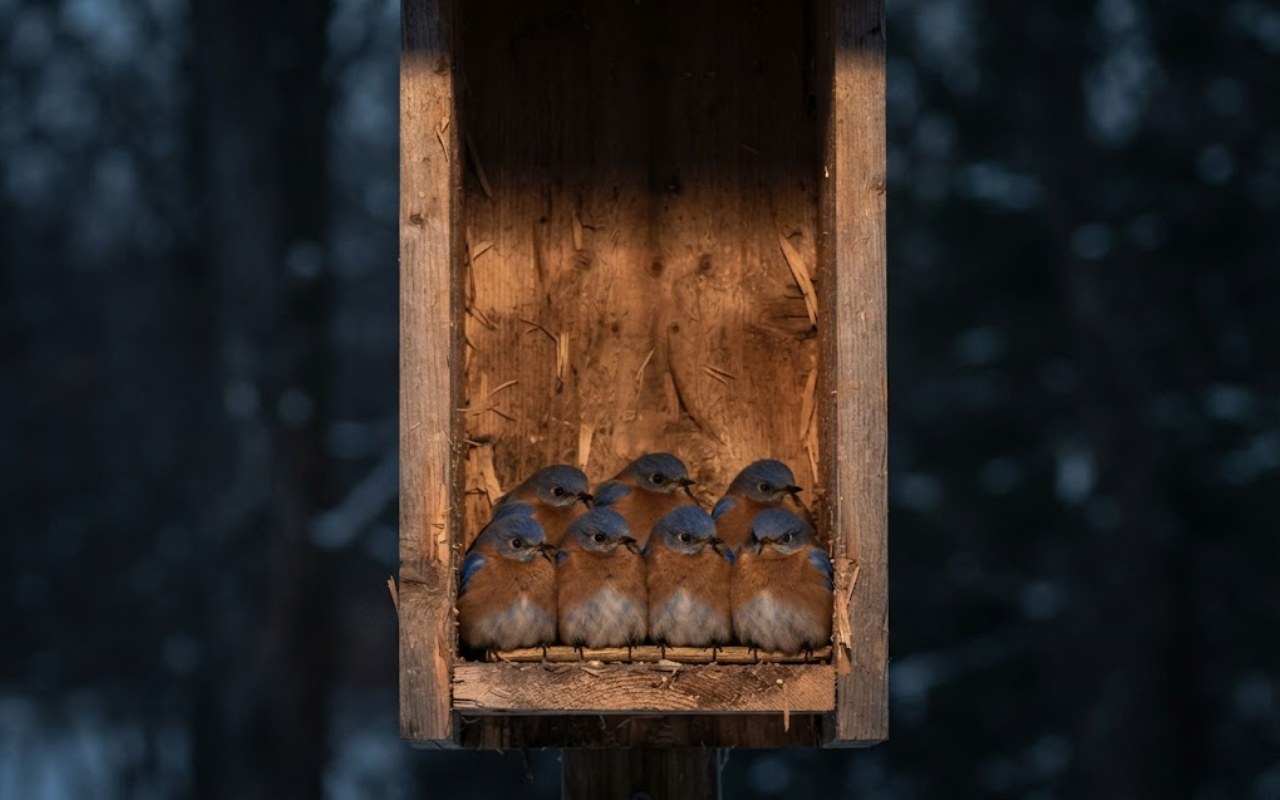
A real-world internal close-up photo showing a dense row of twelve bluebirds huddling shoulder-to-shoulder on a perch inside a wooden roost box to stay warm in winter.

How Many Birds Fit in a Roost Box to Stay Warm?

Determining how many birds fit in a roost box to stay warm depends on species body mass, interior box volume, and the severity of overnight winter temperatures. Smaller songbirds routinely pack together into tight communal clusters to share metabolic body heat, cutting their individual thermal loss by more than half during freezing weather. Field researchers […]

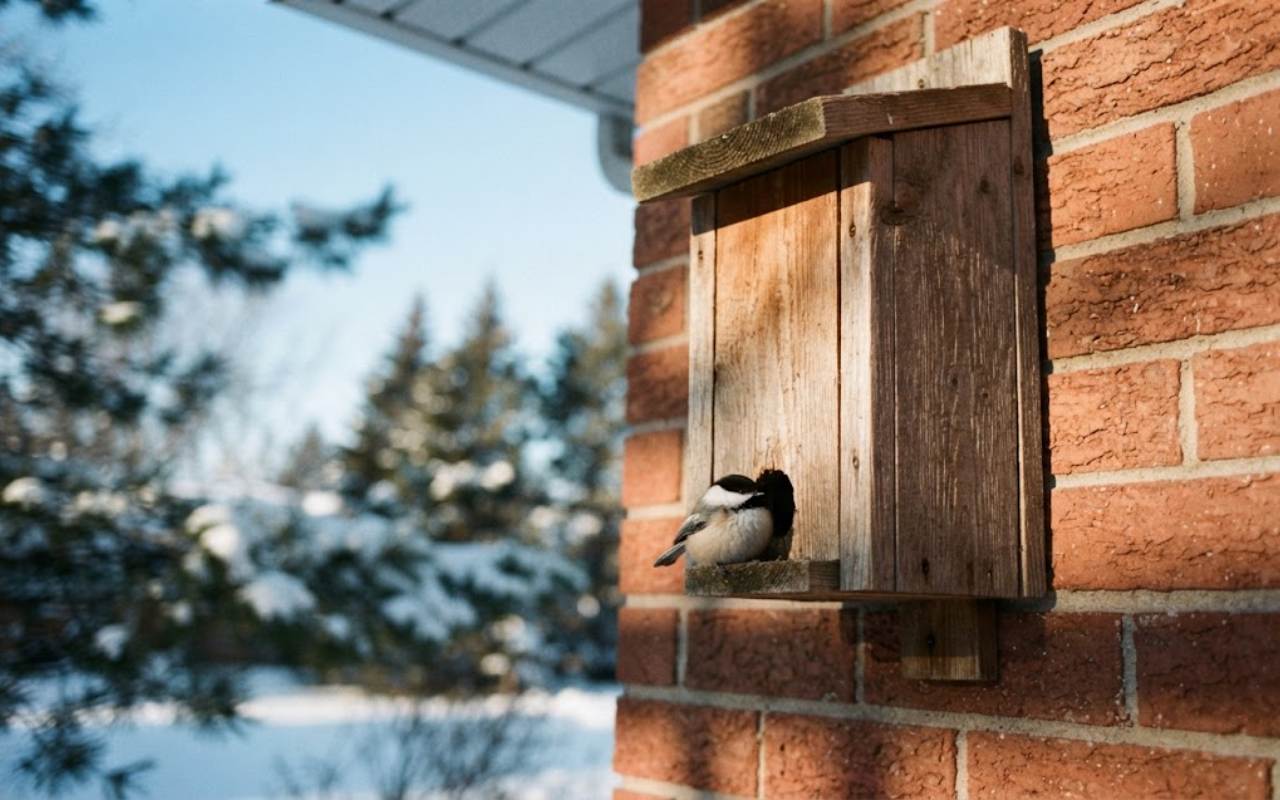
A real-world, unedited backyard photo showing a cedar winter roosting box mounted high on a south-facing brick house wall with a chickadee perched at the bottom entry portal on a sunny winter day.

Where to Mount Winter Roosting Boxes for Maximum Heat Retention

Understanding where to mount winter roosting boxes is one of the most critical decisions you can make to protect songbirds during extended freezes. Small birds like chickadees, titmice, and bluebirds can lose substantial body mass overnight just trying to maintain their core body temperature of roughly 105 degrees Fahrenheit. A poorly placed box exposes roosting […]

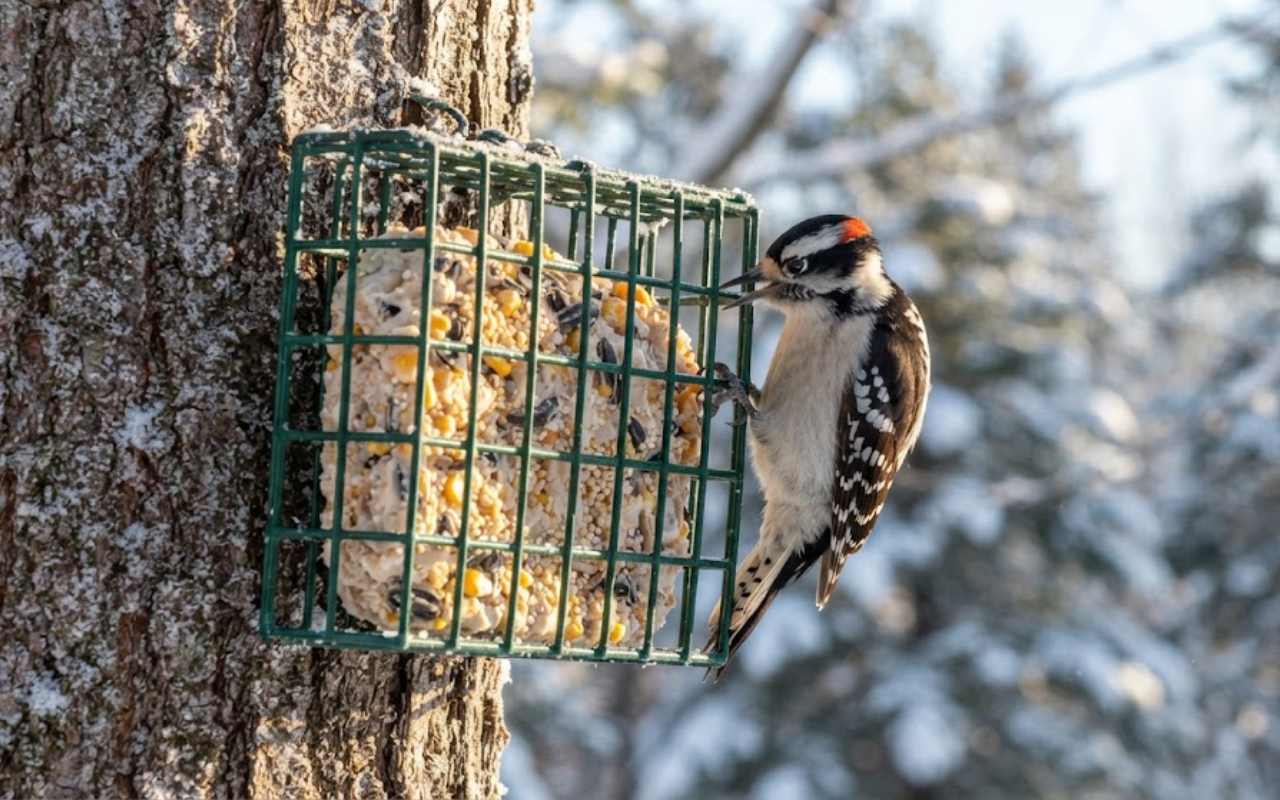
A Downy Woodpecker feeds from a sunlit wire suet cage mounted to a tree trunk in winter, demonstrating how to stop suet from freezing hard using solar placement.

Shaded vs Sunny Bird Feeder Placement for Cold Weather Comfort

Choosing between shaded vs sunny bird feeder placement and learning how to stop suet from freezing are among the most critical structural decisions you can make for your backyard flock when winter temperatures drop. While spring and summer bird feeding strategies favor heavy shade to keep sensitive specialty seeds from spoiling, sub-zero winter freezes flip […]

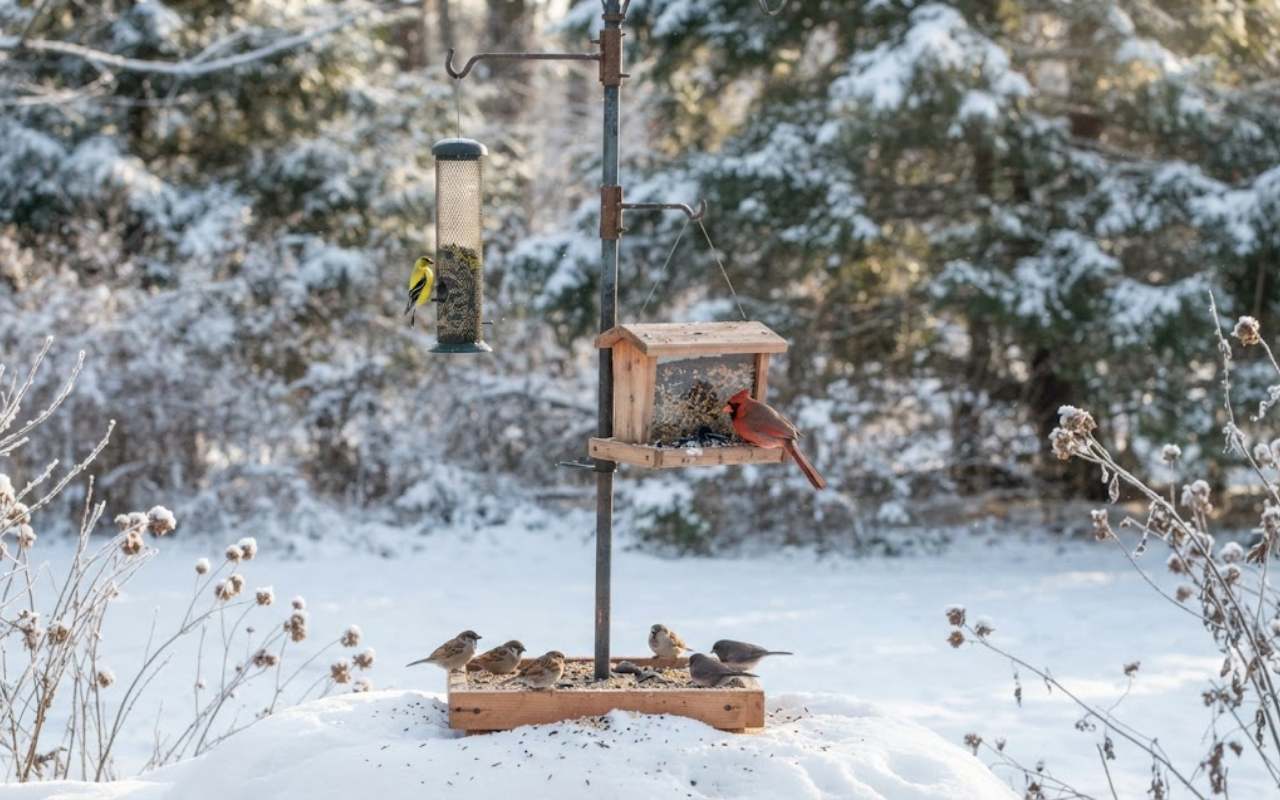
A raw, unedited backyard photo showing a multi-tier bird feeding station with goldfinches on a high sock, a cardinal on a middle hopper, and juncos on a ground platform tray in winter snow.

Why Staggering Bird Feeders by Height Prevents Winter Territorial Fights

Setting up staggering bird feeders by height is the easiest way to disrupt aggressive displacement hierarchies across mixed winter flocks while maximizing foraging efficiency during freezing weather. Most backyard setups place every feeder at a uniform five-foot level, creating a localized choke point that forces smaller passerines to expend irreplaceable calories in evasive flight. Separating […]