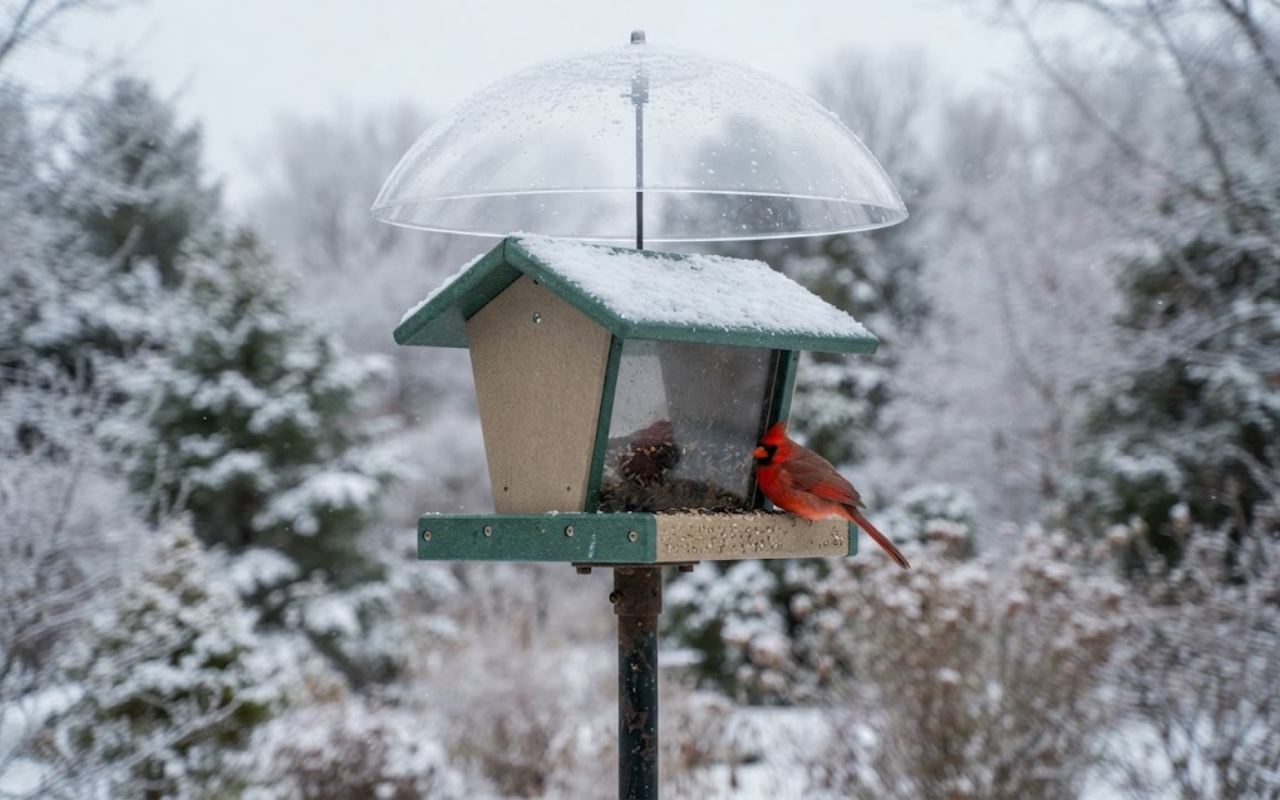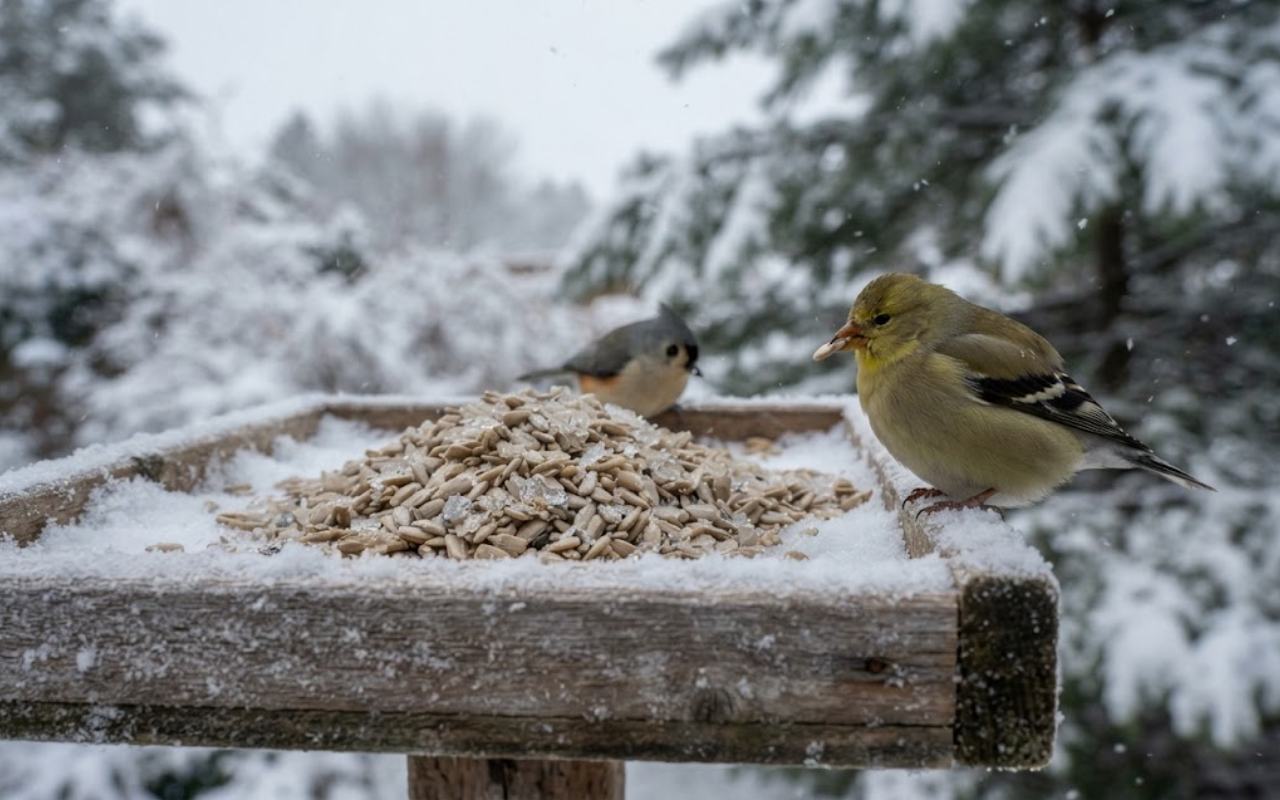
Discovering the fastest way to clear snow off tray feeders without losing seed keeps your winter birds fed while stopping expensive food waste. Experienced backyard birders have abandoned heavy scrapers in favor of targeted air movement and soft surface brushes that separate cold flakes from dry grains. Mastering the routine of clearing snow off tray […]
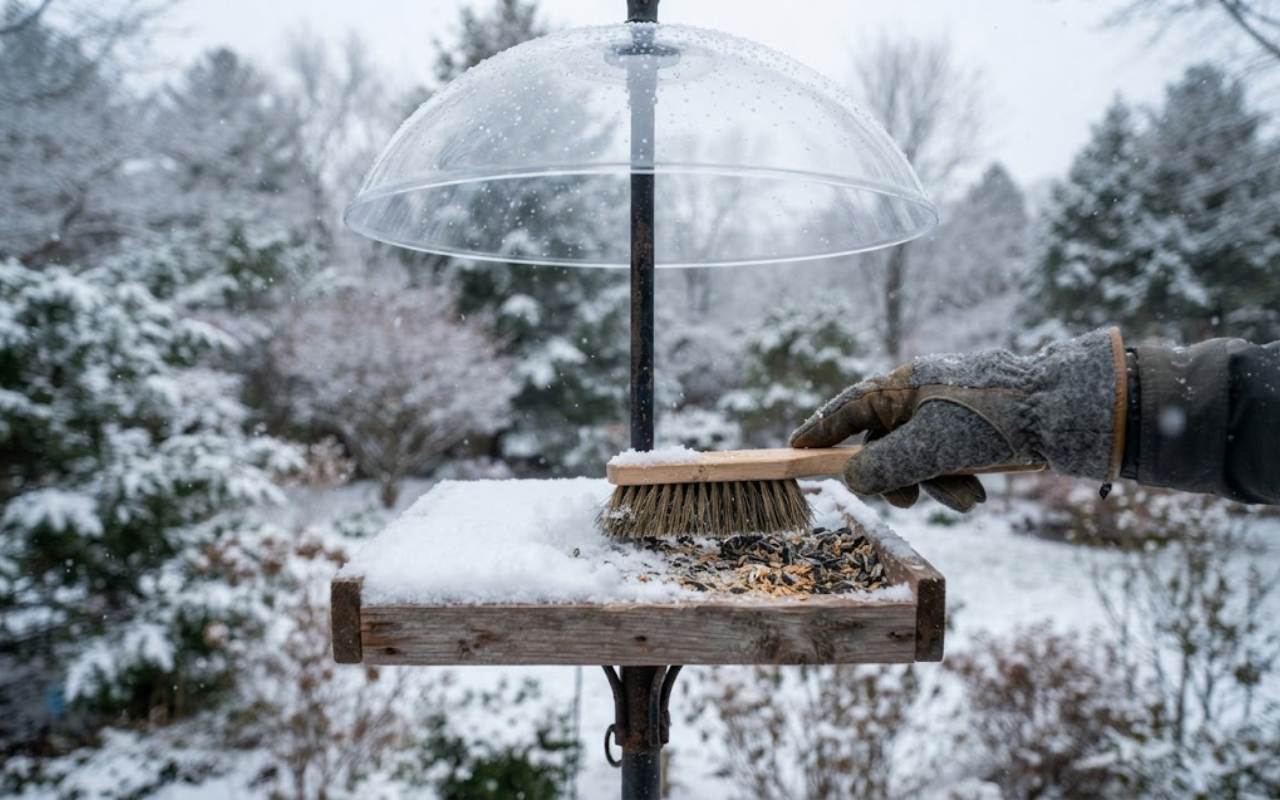
Preventing Frozen Hopper Feeders: 5 Materials That Stop Snow and Ice
Backyard birders know how fast winter weather packs seed troughs into solid ice, but mastering the art of preventing frozen hopper feeders and learning how to stop snow from freezing hopper feeders keeps food flowing during sub-zero storms. Heavy, wet snow routinely bridges the gap between the hopper reservoir and the feeding ledge, locking sunflower […]
Warm Water Bird Bath Routine: Essential Dos and Don’ts for Backyard Birds
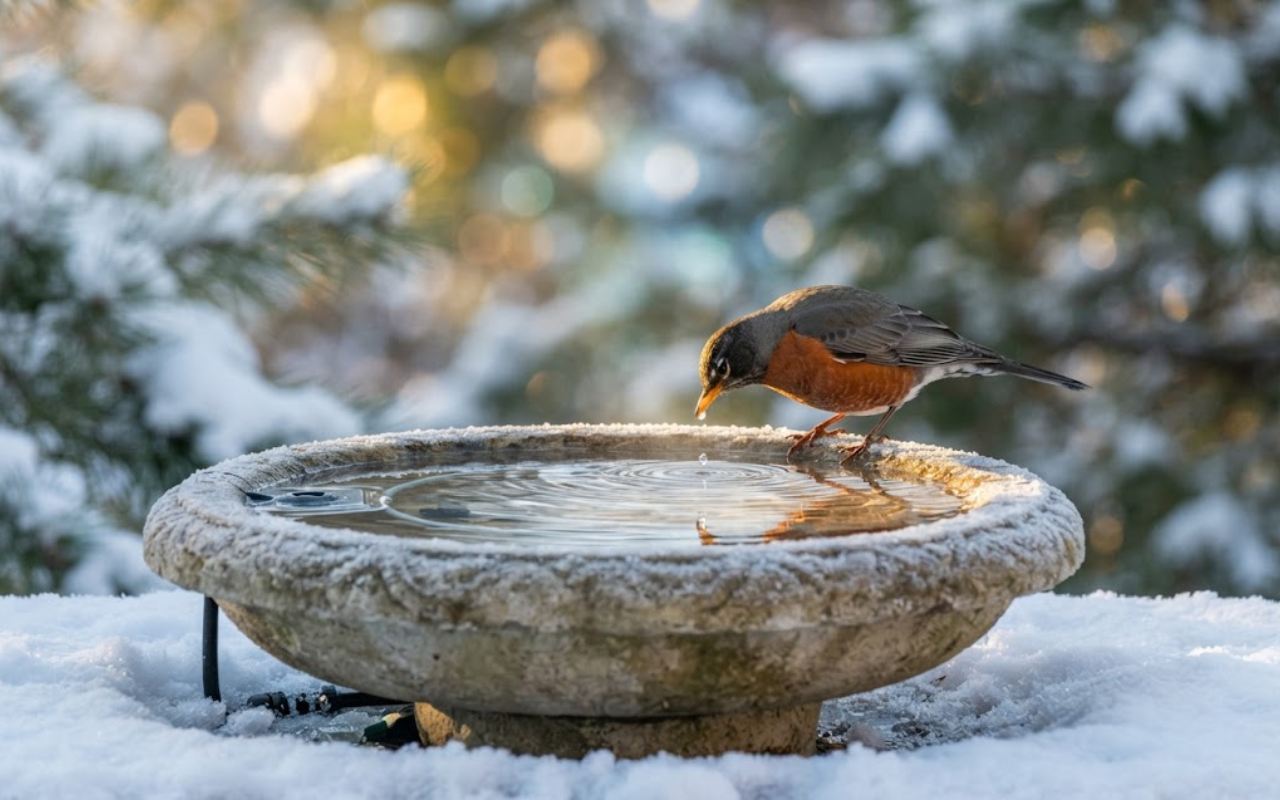
Starting a dependable warm water bird bath routine keeps your backyard flock alive and hydrated during harsh winter freezes without turning your yard into a death trap. Many backyard birders mistakenly believe they should pour steaming hot kettles into ice-filled basins every morning. Doing this not only shatters delicate ceramic bowls through thermal shock, but […]
How Do Birds Drink Snow? The Hidden Energy Cost of Survival
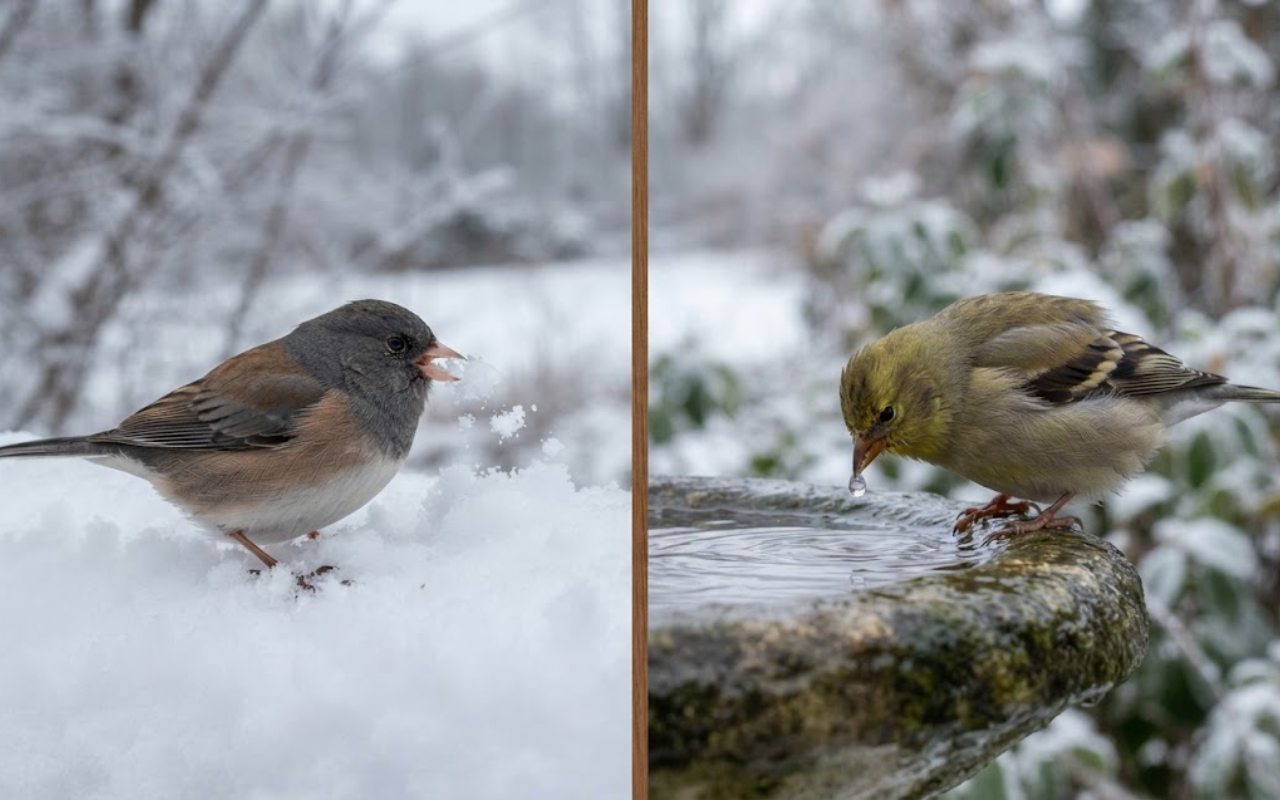
Observing how birds drink snow during freezing weather reveals a fascinating survival tactic with a hidden metabolic trade-off. Songbirds and winter residents do not swallow massive mouthfuls of ice; instead, they scoop tiny crystalline flakes with the tips of their bills to moisten their oral cavities. While this allows birds to hydrate when lakes, puddles, […]
How to Rehydrate Dried Fruit for Winter Robins and Bluebirds Safely
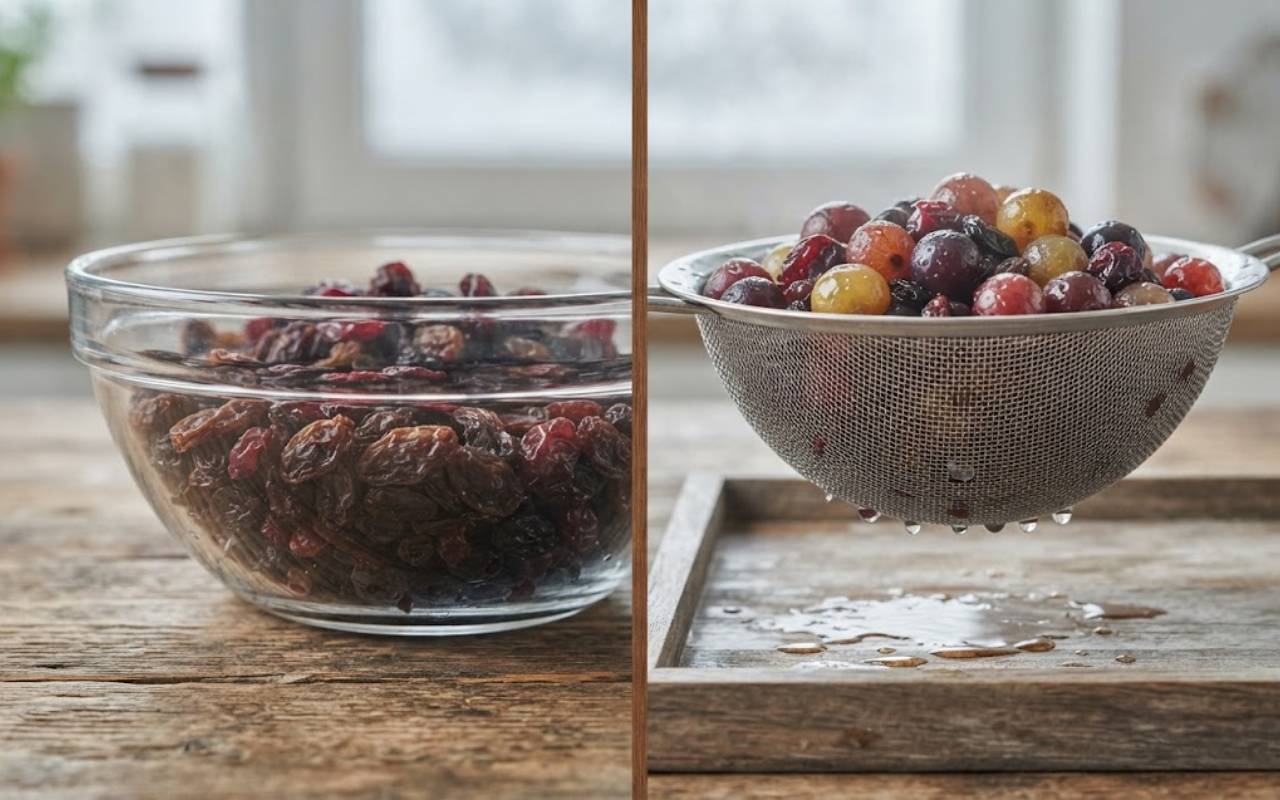
Backyard birders looking to support thrushes during freezing spells often struggle to figure out how to rehydrate dried fruit for winter robins and bluebirds without creating a soggy, frozen mess. American Robins and Eastern Bluebirds switch their diets heavily toward wild berries when cold ground temperatures lock away earthworms and insects. Standard store-bought dried fruits […]
Gourd Bird Houses DIY: How to Dry and Hollow Out Gourds
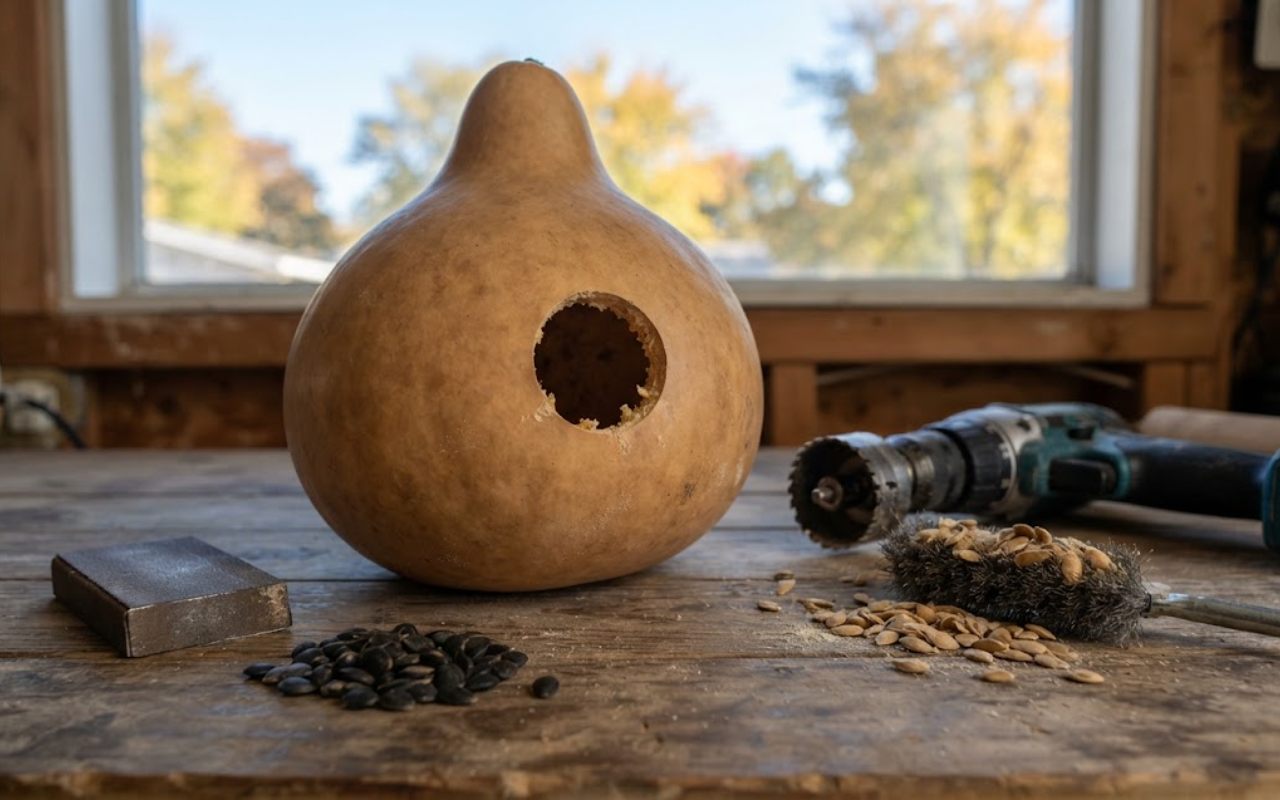
Learning how to dry and hollow out gourds for fall bird houses allows backyard conservationists to transform late-season garden harvests into durable, species-specific avian shelters. Hard-shell birdhouse gourds (Lagenaria siceraria) provide exceptional insulation and natural microclimates for cavity-nesting species when harvested after the vine completely withers in autumn. Standard garden guides often gloss over the […]
Best Berry and Nut Suet Cakes to Attract Winter Mockingbirds
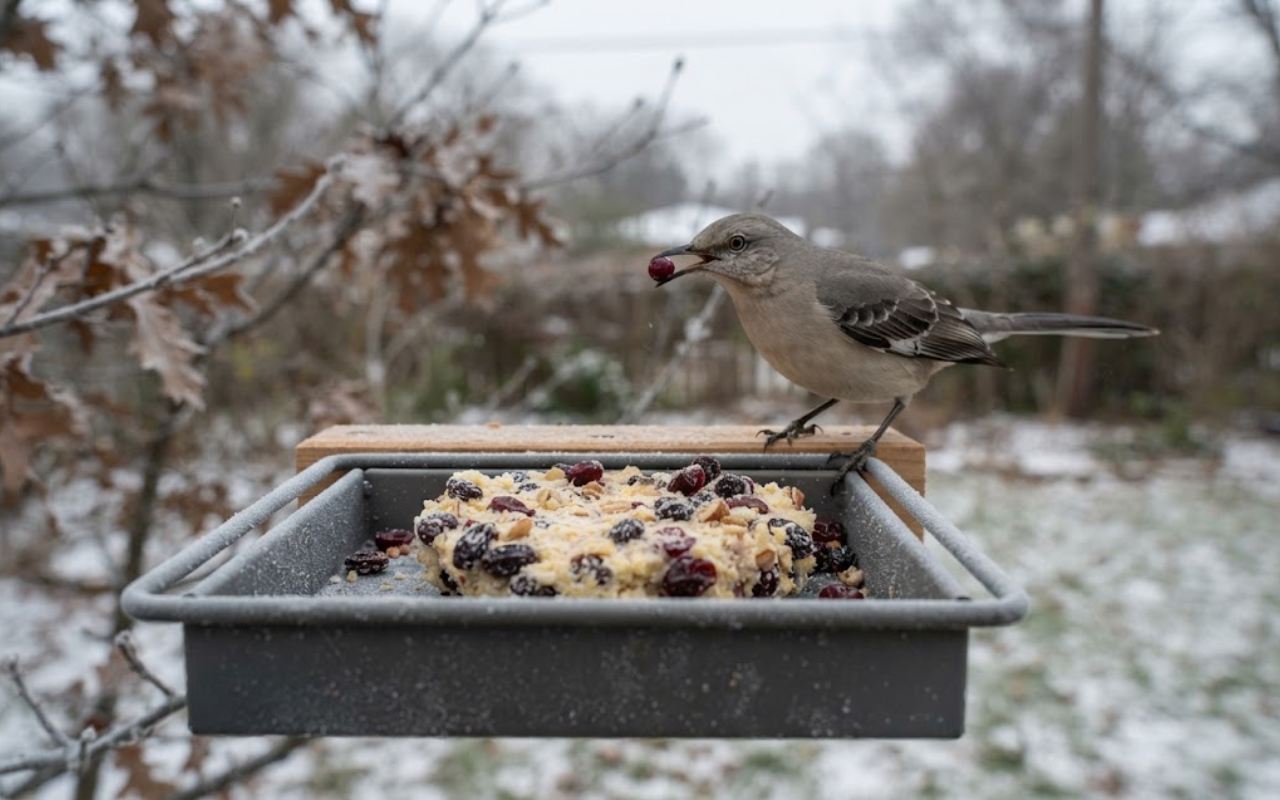
Selecting the best berry and nut suet cakes to attract winter mockingbirds requires understanding that these birds are not typical backyard seed eaters. While finches and sparrows crowd hopper feeders for sunflower seeds, Northern Mockingbirds spend cold months scouring trees for lingering wild fruits and dormant insects. Offering high-lipid cakes packed with authentic fruit and […]
How to Pack No-Melt Winter Suet Logs for Backyard Woodpeckers
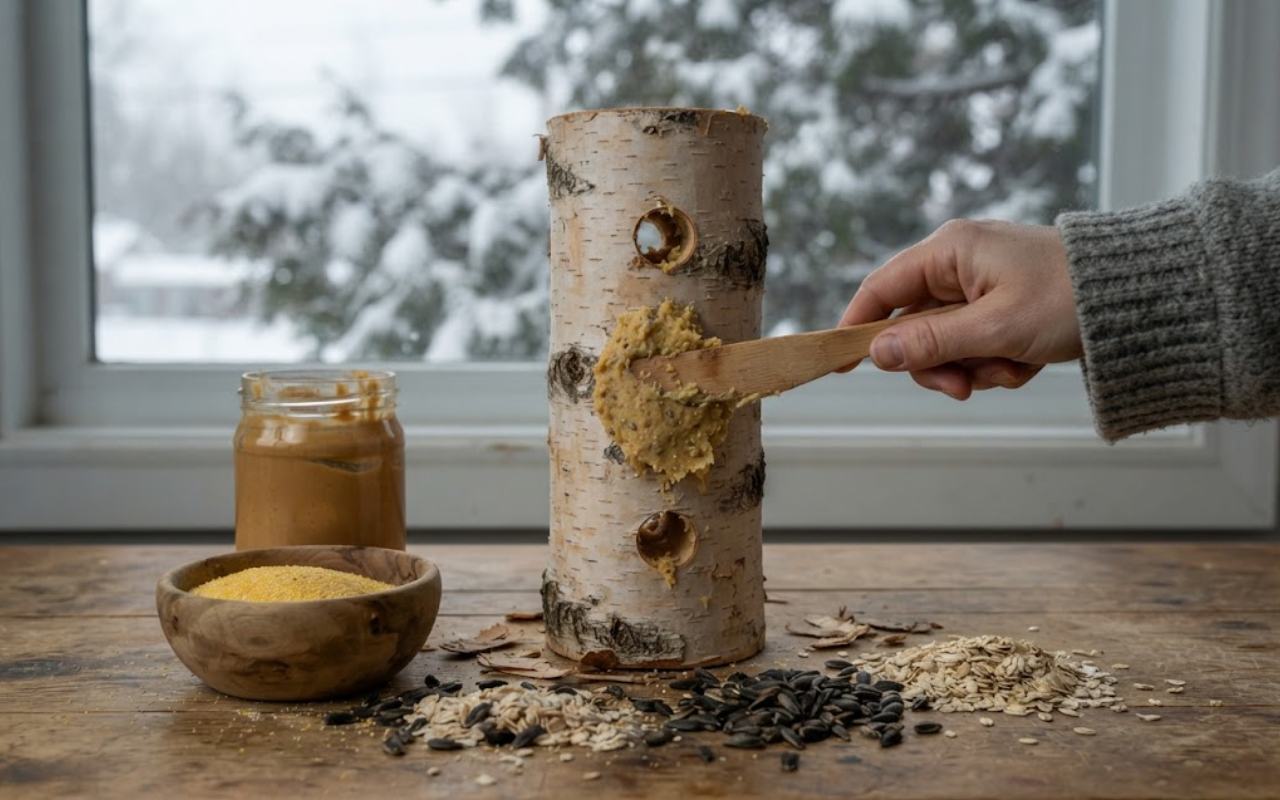
Learning how to pack no-melt winter suet logs for woodpeckers comes down to balancing proper fat binding with hole geometry so your plugs do not drop onto the frozen ground. Many backyard birders buy pre-made cakes, only to watch the fat freeze, contract, and tumble out into the snow during the first deep freeze. Building […]
Suet Dough vs Suet Blocks: Which Performs Better in the Snow?
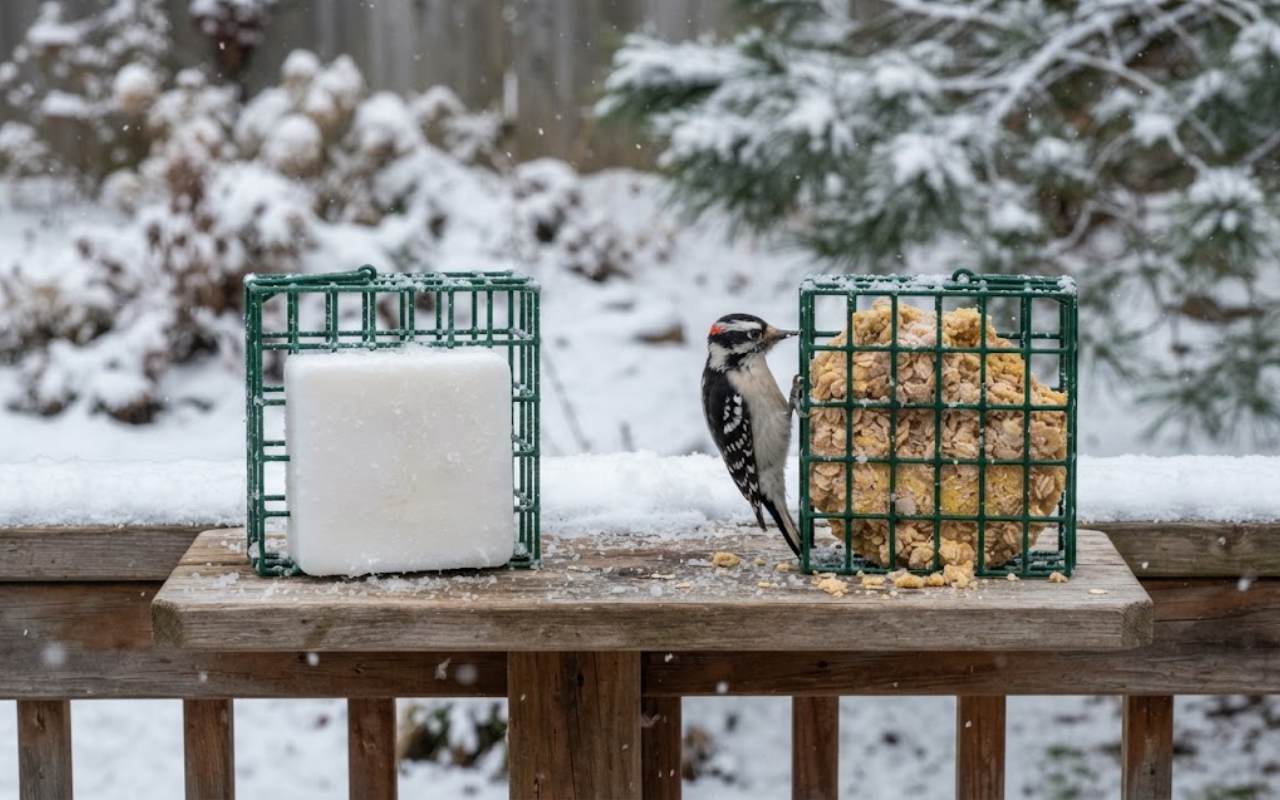
Deciding between suet dough vs suet blocks during sub-freezing winter storms comes down to how rendered fat and binding grains react to freezing moisture. When heavy snow and sleet blanket backyard feeding stations, birds need dense caloric energy without burning excess body heat to chip through ice. Many backyard birders assume all commercial cakes act […]
The Pros and Cons of Using Hulled Sunflower Chips in Snow
Switching to hulled sunflower chips in snow offers an immediate caloric boost for wild birds trying to stay warm. Without the outer shell, songbirds spend less time shivering on open perches cracking hulls and more time absorbing high-density plant fats. However, stripping that protective hull exposes the tender nutmeat to winter moisture, blowing flakes, and […]