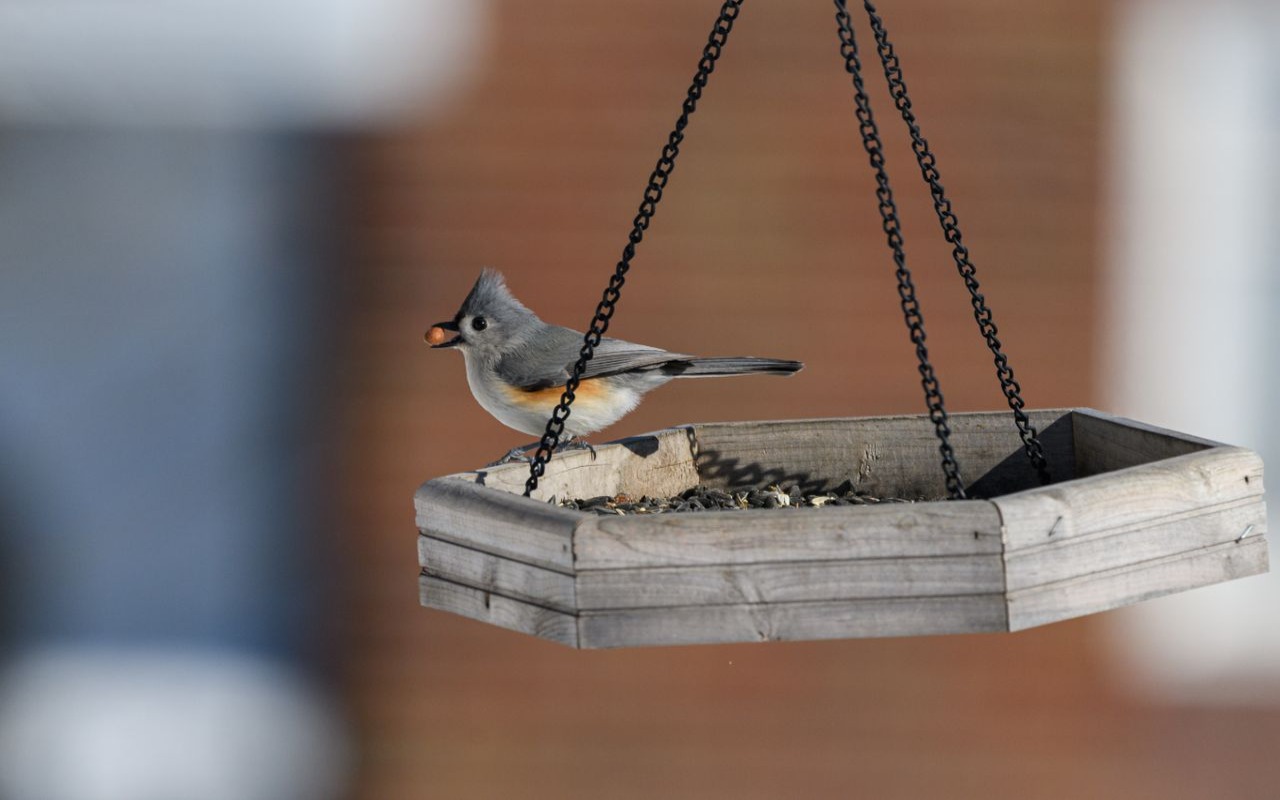
A small tufted titmouse with a gray crest and buff-colored flanks perches on a hanging wooden tray feeder while holding a nut or large seed in its beak.

Tufted Titmouse Feeder Behavior: How to Recognize One This November

Learning how to recognize a Tufted Titmouse visiting your November feeder brings a lively presence to your backyard birdwatching routine as winter approaches. This small, active songbird belongs to the chickadee family, Paridae, and frequently visits backyard stations across eastern North America during the late autumn months. November is a critical transition period when natural […]
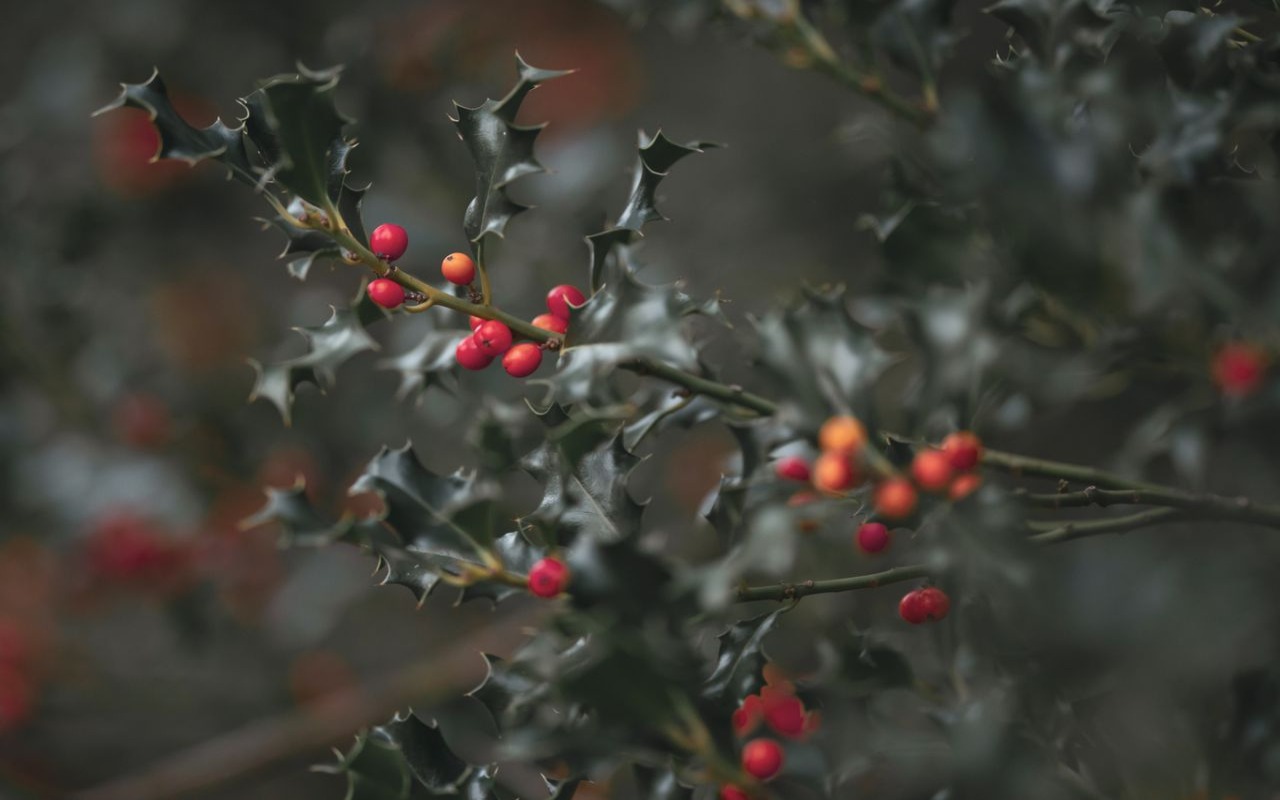
A close-up shot of an English holly branch featuring glossy, spiny dark green leaves and clusters of bright red and orange berries with a soft, out-of-focus background.

Why Planting Berry Shrubs in Fall Is Best for Native Plants

Many land managers recognize that planting native berry shrubs in late fall is the most effective way to establish long-term food resources for migratory and resident birds. While spring often receives attention for garden projects, autumn provides distinct environmental advantages that dramatically improve root establishment. Cooler ambient air temperatures reduce thermal stress on the upper […]

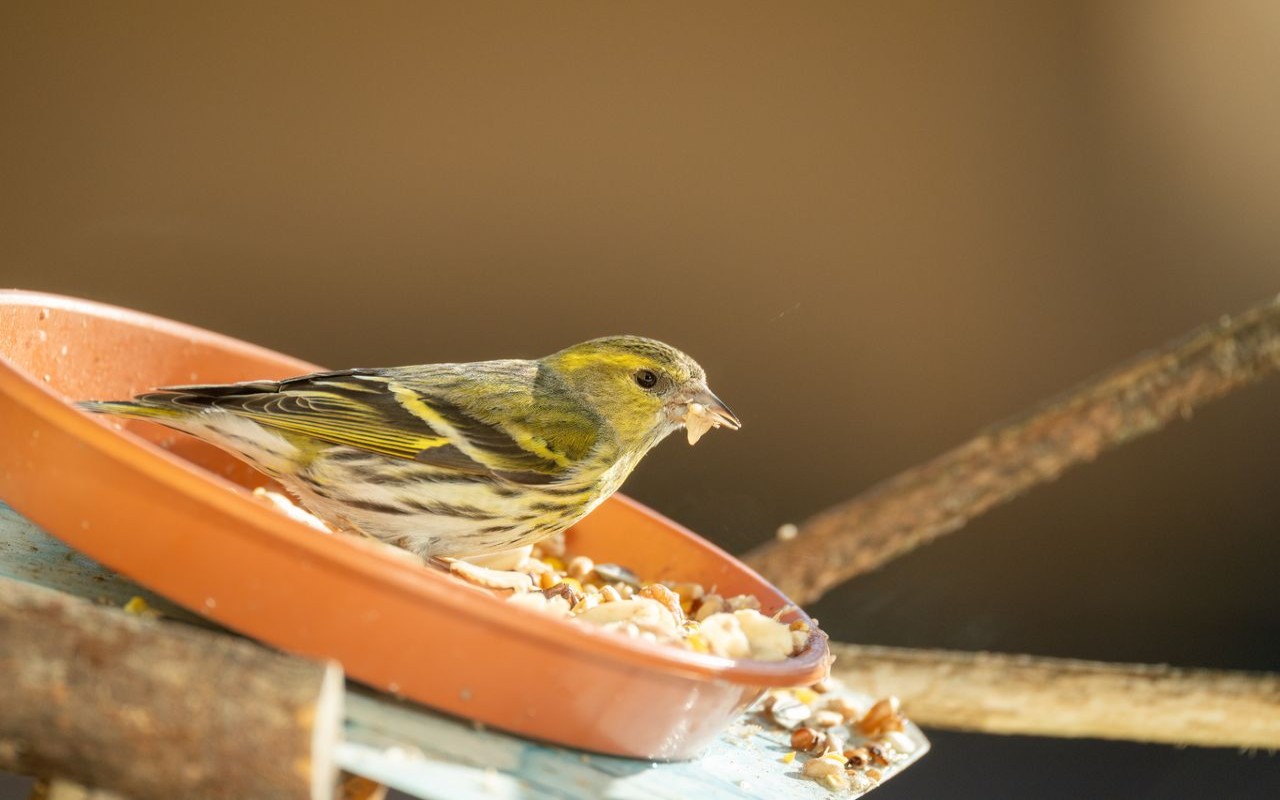
A small Eurasian siskin with yellow-green plumage and dark streaks stands in a brown shallow dish feeder, holding a seed in its beak against a soft, blurred background.

What Not to Feed Birds: 5 Dangerous Foods for Winter Feeders

Identifying what not to feed birds is critical for backyard naturalists looking to support local flocks during severe weather snaps. When temperatures drop below freezing, wild species need clean, calorie-dense nutrition to survive the long, frigid nights. Offering improper backyard scraps disrupts natural foraging patterns and introduces lethal pathogens into your yard. Wintering passerines like […]

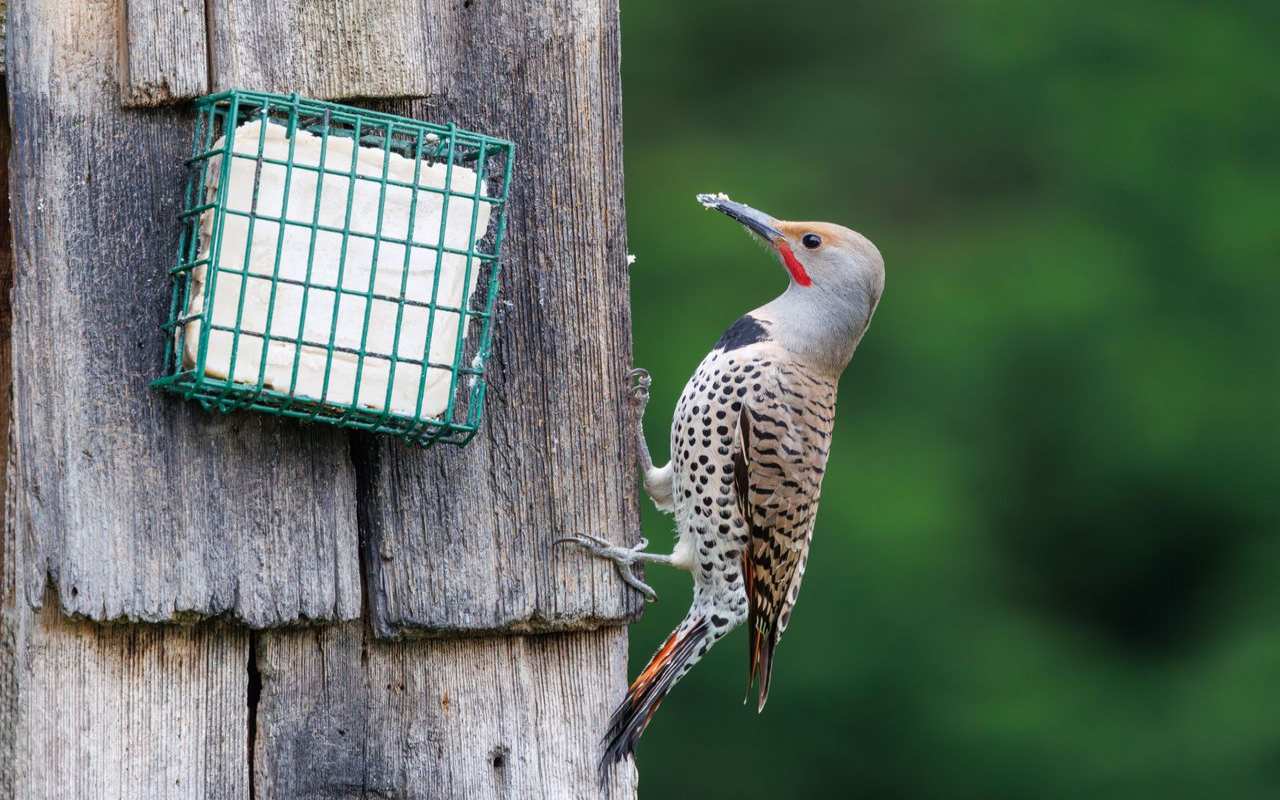
A male Northern Flicker woodpecker with a gray head, red mustache strip, and spotted breast perches on a rustic wooden post next to a green wire cage holding a white suet cake.

How to Make an Easy Homemade Suet Recipe for Winter Birds

Learning how to make homemade suet for birds provides high-density fuel for backyard species facing extreme caloric deficits in deep winter. Wintering passerines, such as the Black-capped Chickadee and American Goldfinch, scale up their pectoralis muscle mass and shivering metabolic capacity by 20 to 30 percent to generate nocturnal body heat. Using a nutrient-dense homemade […]

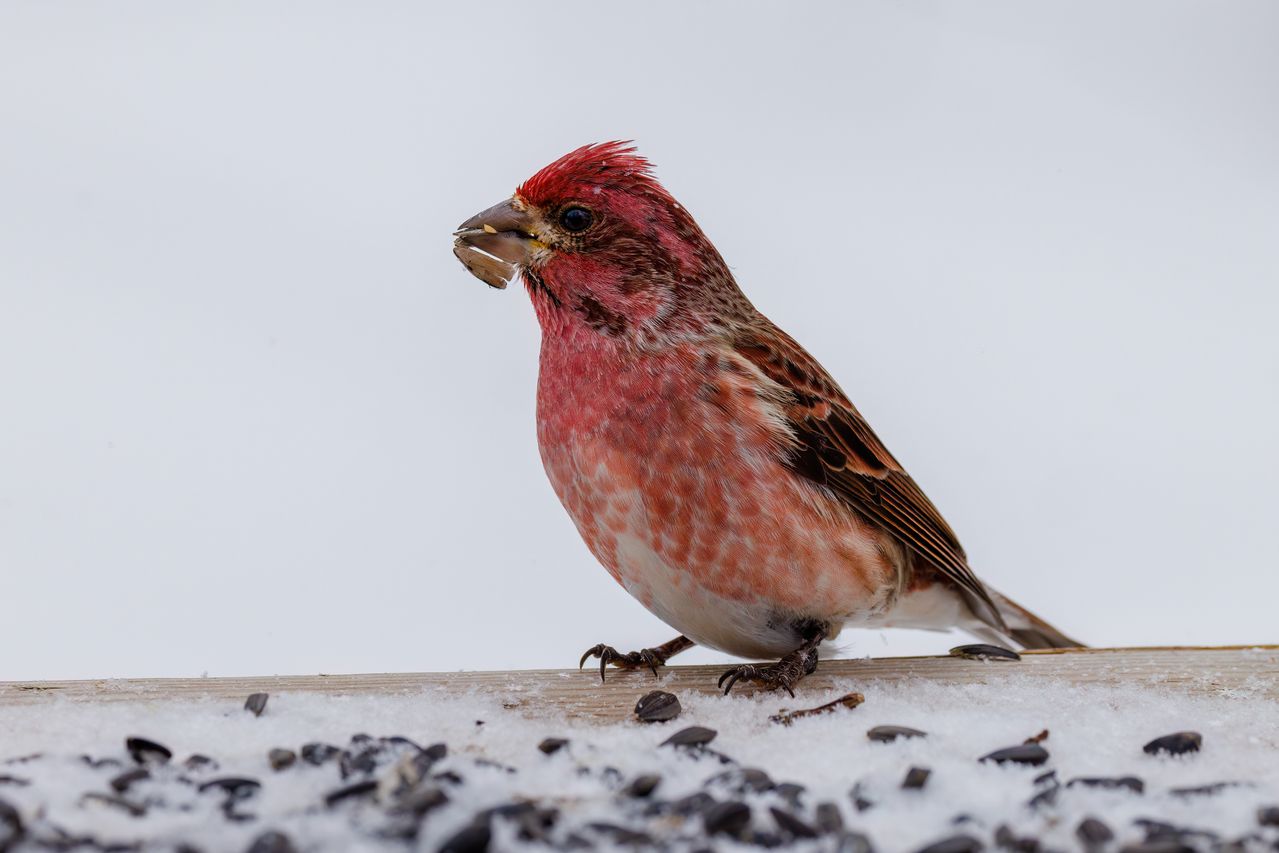
A purple Finch eating sunflower seeds in winter.

10 High-Calorie Winter Bird Food Ideas to Help Wild Birds Survive

Deploying targeted high-calorie winter bird food is the most effective intervention backyard birders can use to counteract the fatal energy deficits caused by prolonged sub-zero conditions. Small passerines operate on razor-thin caloric margins, often burning over ten percent of their total body mass during a single freezing night simply to maintain core body temperatures via […]

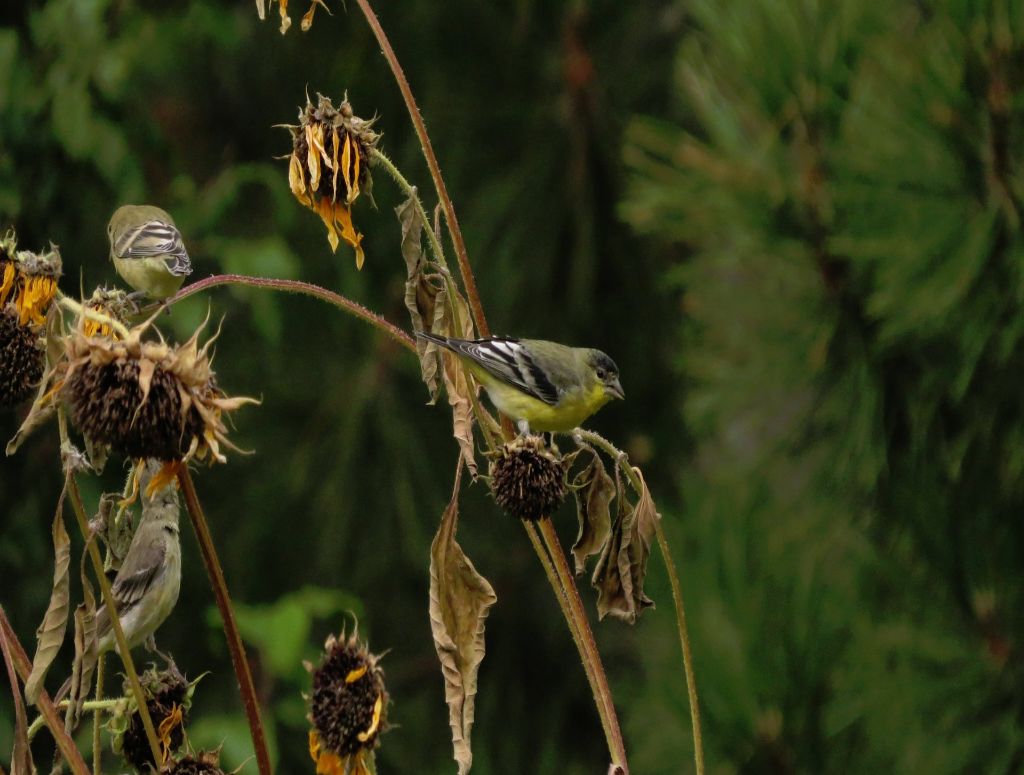
An American Goldfinch feeding on a sunflower seed head in winter.

Leaving Sunflowers for Birds: Why Keep Them Standing Through December

Choosing to leave dead sunflowers standing through the winter provides vital biological support for local wildlife when natural resources become scarce. While many gardeners rush to cut down spent annuals during autumn cleanup, these towering dried stalks serve as powerhouse micro-ecosystems. Allowing dried plants to endure through December bridges an ecological gap between the end […]

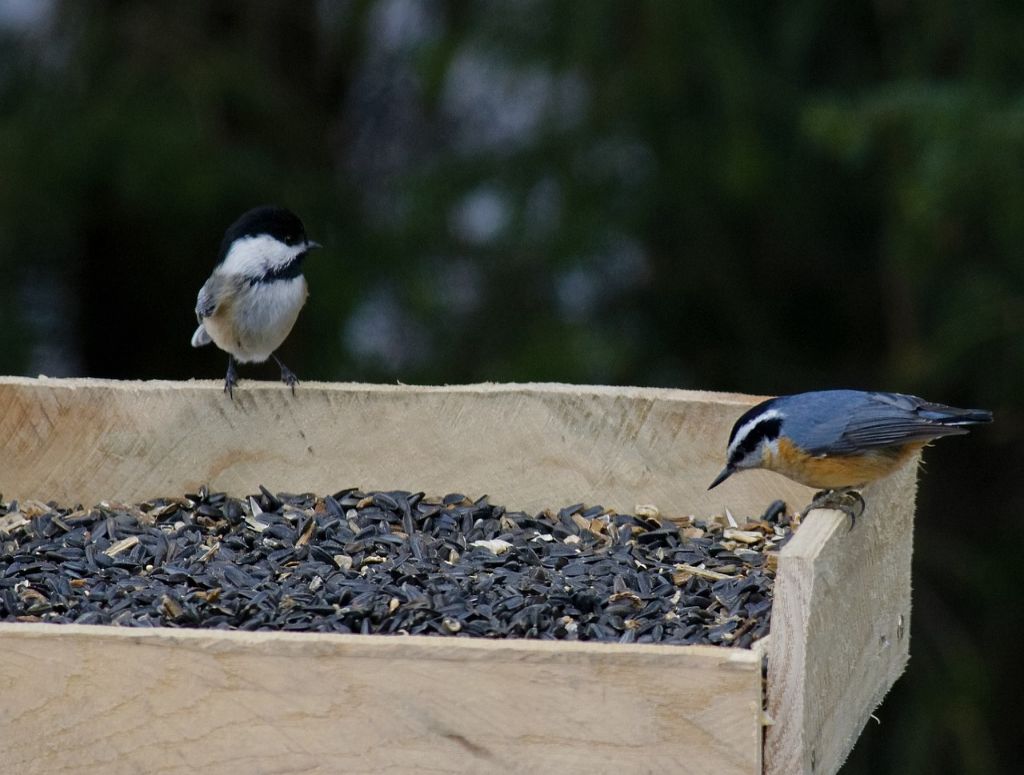
A chickadee and nuthatch feeding on black-oil sunflower seeds in winter.

Why Chickadees, Titmice, and Nuthatches Form Mixed Winter Avian Flocks

Observing mixed winter flocks moving through a backyard woodland offers a fascinating glimpse into avian cooperation. Small songbirds such as chickadees, titmice, and nuthatches regularly band together during the coldest months of the year. This multi-species alliance helps them overcome the challenges of short daylight hours, freezing temperatures, and scarce food. By joining forces, these […]

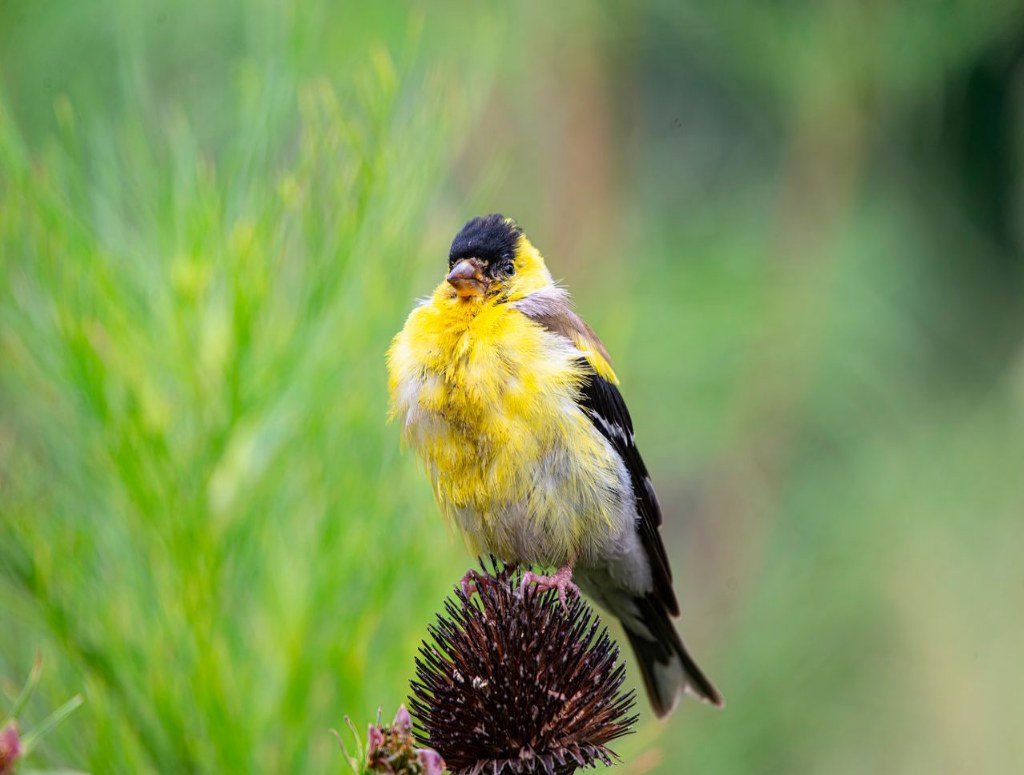
A molting goldfinch feeding on seeds from a flower head in fall.

Why You Should Leave Perennial Seed Heads This Winter Until Spring

Understanding why gardeners should avoid cutting back perennial seed heads until spring arrives is one of the most effective ways to support local wildlife through the coldest months. Leaving dead stalks in place transforms an ordinary yard into an active winter sanctuary. Traditional autumn garden cleanup often strips away critical resources that birds and beneficial […]

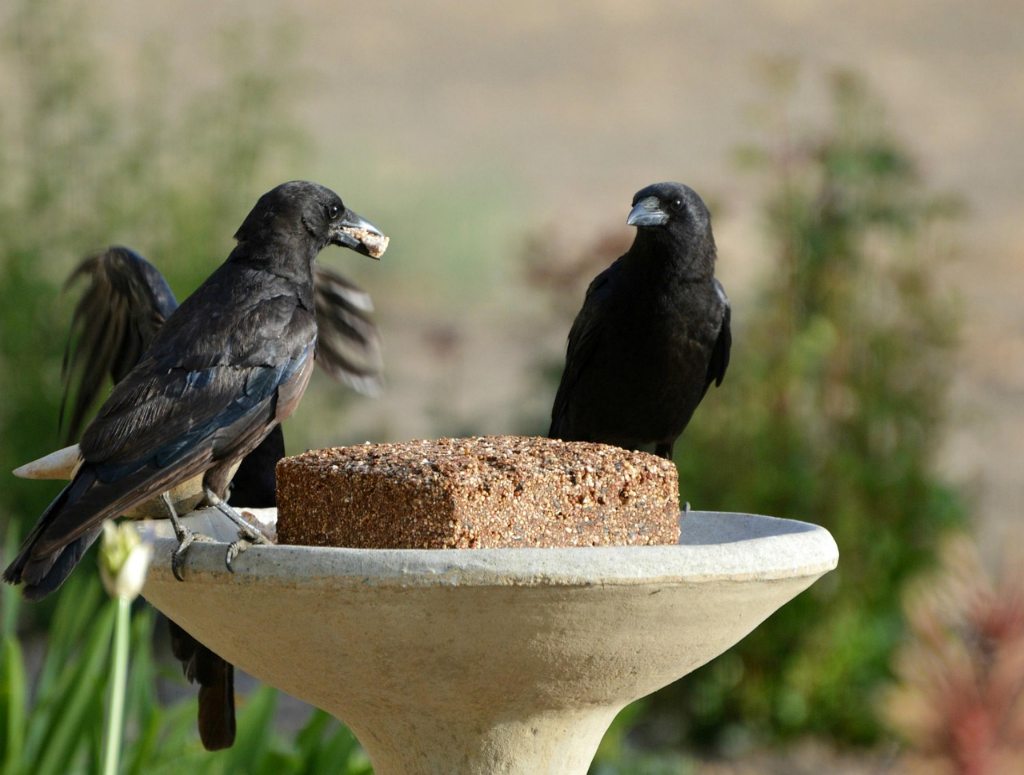
A bunch of crows eating suet from a backyard platform.

5 Humane Ways to Stop Crows Dominating Winter Feeders

Learning how to discourage crows from dominating your cold-weather feeders is essential for maintaining a balanced backyard bird sanctuary throughout the freezing winter months. American crows are highly intelligent, social corvids with voracious winter appetites that can easily overwhelm feeding stations designed for smaller songbirds. When winter weather diminishes natural foraging options, a single flock […]

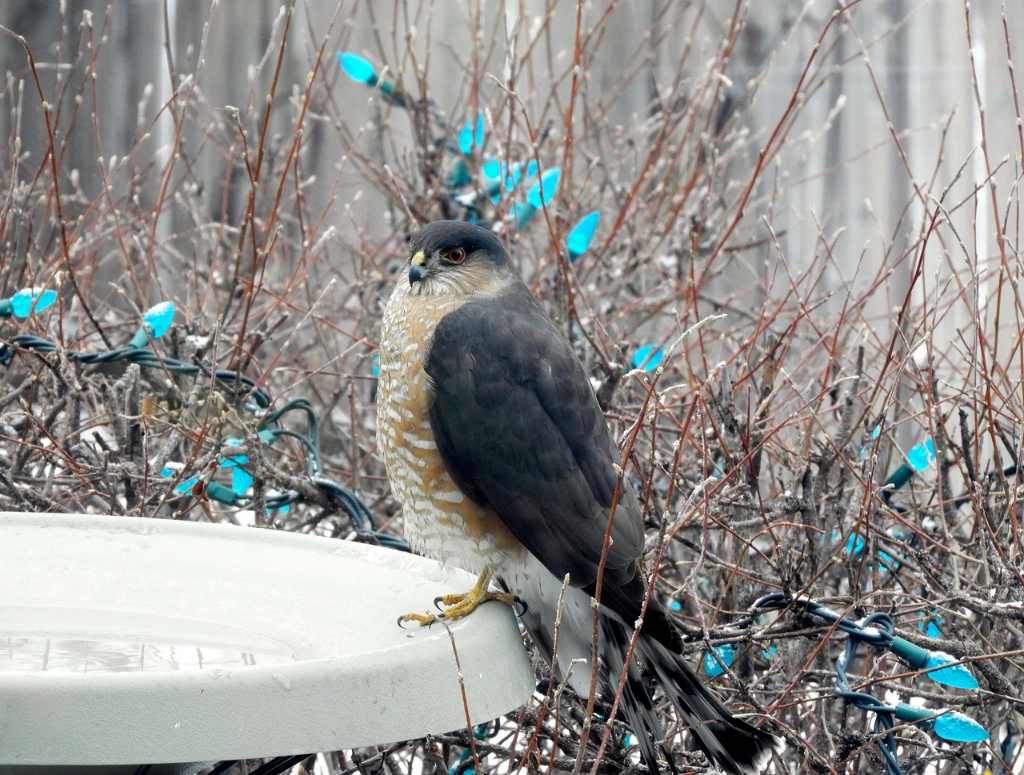
A Sharp-Shinned Hawk perched on a backyard bird bath in winter.

Sharp-Shinned Hawk Protection: How to Keep Your Winter Flocks Safe

Understanding the danger of sharp-shinned hawks is essential for backyard naturalists who maintain busy feeding stations during the cold months. These agile raptors specialize in hunting songbirds, viewing high-density winter feeding stations as natural hunting grounds. When an accipiter discovers your yard, common visitors like juncos, goldfinches, and chickadees face immediate predatory pressure. While predation […]