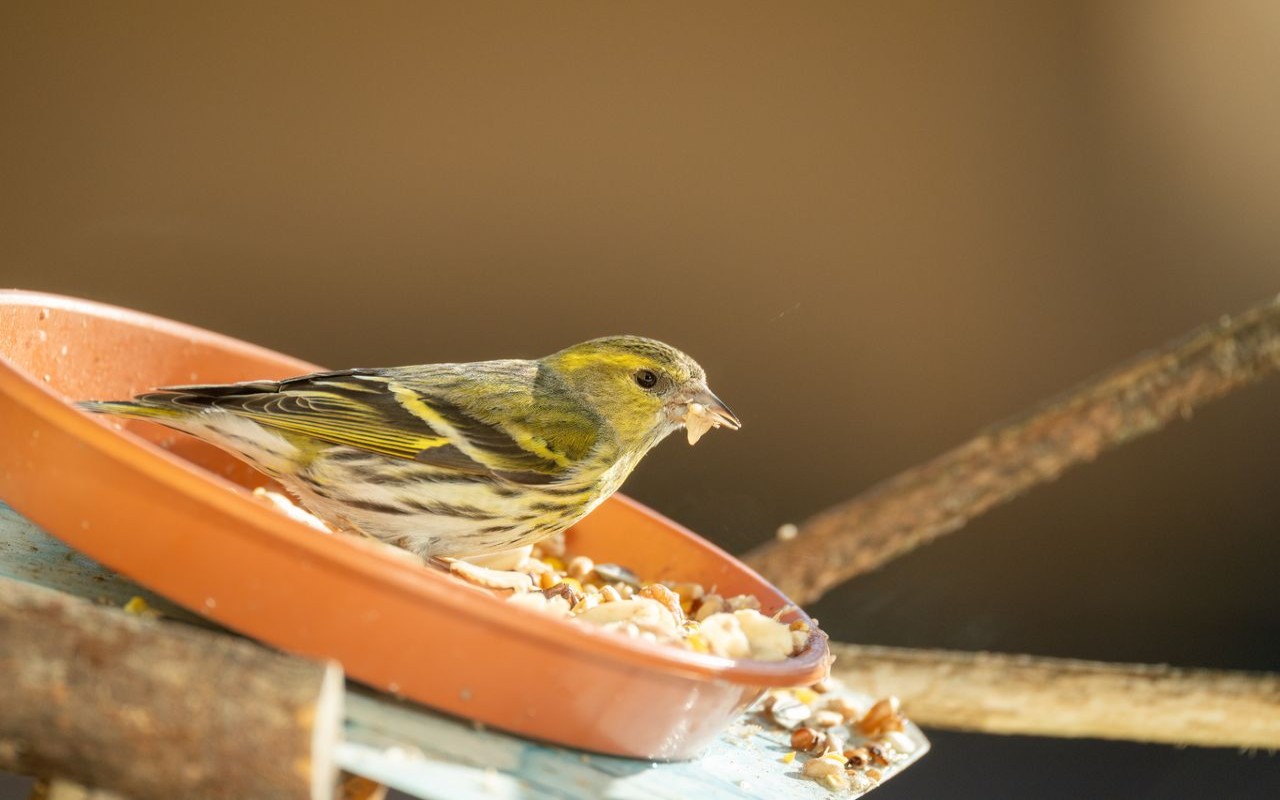
Identifying what not to feed birds is critical for backyard naturalists looking to support local flocks during severe weather snaps. When temperatures drop below freezing, wild species need clean, calorie-dense nutrition to survive the long, frigid nights. Offering improper backyard scraps disrupts natural foraging patterns and introduces lethal pathogens into your yard.
Wintering passerines like the American Goldfinch naturally scale up pectoralis muscle mass and shivering metabolic capacity by 20% to 30% to withstand sub-freezing environments. Fueling that extreme internal thermogenesis requires high-lipid, uncontaminated sustenance rather than well-meaning human pantry throwaways. Eliminating toxic items protects native species from preventable mortality during periods of severe winter stress.
Raw Kitchen Drippings and Unrendered Pork Lipids
Dumping warm bacon grease or pan drippings onto feeder trays is a widespread backyard mistake that poses severe biological hazards. Unrendered animal fats stay soft at low temperatures and smear across feathers when birds attempt to feed.
This oily film coats the outer plumage, destroying the microscopic barbule interlocking mechanism that traps warm air against the skin and inducing fatal hypothermia.
In addition to thermal collapse, pan drippings contain concentrated levels of sodium, nitrates, and burnt carbon compounds from the cooking process. Chemical additives alter avian kidney filtration and draw scarce physiological water out of internal tissues.
True commercial suet consists solely of rendered beef tallow, which has been clarified to remove volatile impurities, moisture, and fragile oils.
- Raw bacon grease containing curing salts and volatile nitrites
- Pan-fried meat scrap oils with lingering seasoning residue
- Unrendered soft poultry drippings that liquefy above freezing
- Soft table butter or hydrogenated shortening spreads
If you wish to provide supplemental fat safely, purchase refined beef suet cakes made strictly from rendered tallow. Suspend suet blocks inside commercial wire cages equipped with downward-facing baffles to deter non-target scavengers. Clean the holding cages every two weeks to prevent grease accumulation along the perches.
Bakery Waste and Moisture-Retaining Table Scraps
Tossing stale sandwich bread, crackers, and leftover pastries into snow banks creates severe gastrointestinal bottlenecks for small songbirds. Highly processed white flour swells inside the digestive tract, creating a dense physical mass that yields minimal caloric energy.
Birds fill their crops with this nutrient-poor bulk, failing to consume the critical lipids required to survive freezing nighttime temperatures.
Soggy bakery scrap remnants also accelerate the growth of fungal cultures right where ground-foraging birds gather. Damp bread in sub-freezing temperatures develops a freezing crust that adheres to avian beaks, leading to physical damage and secondary bacterial infections.
Over time, recurring diets of bread in young or wintering birds trigger chronic malnutrition, crop impaction, and feather growth deformities.
- Moldy bread heels and hamburger buns harboring invisible spore networks
- Leftover baked goods laden with refined cane sugar and preservatives
- Stale salted crackers that disrupt delicate fluid balances
- Soft tortillas and dough remnants that expand within the crop
Replace processed carbohydrates with native food sources that mimic natural winter forage. Shelled sunflower hearts and unadulterated suet provide dense packets of metabolic fuel without filler waste. Always clear ground surfaces beneath feeders after heavy winter rain or sleet events to prevent decaying scrap deposits.
Damp Seed Aggregates and Aspergillus Debris Management
Winter moisture creates a lethal breeding ground inside hopper and tube feeders when uncleaned seeds absorb ambient humidity. Poor drainage fuels damp storage conditions, which enable the fungal pathogen Aspergillus flavus to multiply rapidly.
This specific mold produces dangerous aflatoxins, an invisible biological toxin that attacks the liver, suppresses immune response, and causes acute respiratory distress.
Cheap wild bird mixes worsen this issue by packing high percentages of decorative red milo, cracked corn, and wheat fillers. Target species like chickadees, titmice, and nuthatches systematically fling these hard filler grains to the damp ground to reach oil seeds.
The discarded grain quickly rots under the snowline, cultivating lethal mycological hazards that ground foragers like native sparrows consume.
Red milo and grain sorghum fillers that songbirds consistently discard
Cracked field corn that rapidly absorbs ground moisture and molds
Unchecked feeder hulls that rot inside wet drainage ports
Inexpensive mixed-seed sacks containing high levels of powdered agricultural dust
18-inch wide weather dome hung directly over seed reservoirs to block sleet
0.25-inch hardware cloth inserts along hopper floors to improve air drainage
1:9 bleach-to-water dilution soaking solution applied every fourteen days
Complete air-drying phase before refilling reservoirs with fresh black oil sunflower
Never attempt to sanitize delicate feeder components by pouring boiling water across them, as extreme temperatures warp polycarbonate plastic reservoirs and crack acrylic housing.
Instead, dismantle every tray, scrub away seed crusts with a stiff bristle brush, and rinse thoroughly with cold running water. Keeping the seed dry remains your primary defense against winter avian epidemics.
High-Sodium Processed Nuts and Osmotic Dehydration
Offering leftover cocktail peanuts, salted party mixes, or seasoned roasted tree nuts introduces dangerous toxicity levels to backyard wildlife. The metabolic systems of passerines cannot process commercial human seasoning blends.
Elevated salt intake produces rapid osmotic dehydration, forcing water out of critical organs to flush out the excess sodium through limited avian excretory pathways.
Liquid water remains exceptionally rare in frozen northern regions, forcing birds to burn scarce thermal energy eating snow to rehydrate. When a bird consumes salted food, its physiological demand for water spikes precisely when surface water is entirely locked in ice.
This internal crisis rapidly induces electrolyte shock, disorientation, kidney failure, and death.
- Roasted cocktail peanuts covered in surface salt and flavor dust
- Salted sunflower seeds meant for human snacking
- Candied or honey-roasted nuts packed with artificial sweeteners
- Seasoned kitchen trail mixes containing chocolate chunks or raisins
Pure, raw black oil sunflower seeds and unseasoned raw peanut hearts remain the undisputed gold standards for winter lipid delivery. These raw offerings provide authentic, easily metabolized fats that reinforce vital shivering stamina. Store all bulk nut supplies in heavy-duty galvanized metal bins to lock out ambient moisture and rodent activity.
Toxic Raw Legumes and Chemical Glycerin Anti-Freeze Additives
Scattering dry, uncooked beans or lentils onto winter feeder platforms introduces potent natural biochemical defenses directly into wild bird digestive tracts.
Raw dry legumes contain high concentrations of phytohaemagglutinin, a toxic plant lectin that agglutinates red blood cells and destroys intestinal lining integrity. Without long periods of high-heat boiling, raw beans remain distinctly poisonous to wild birds.
Another severe backyard hazard involves adding chemical antifreeze compounds or pure vegetable glycerin into winter bird baths. Forum hobbyists occasionally suggest glycerin to depress the freezing point of shallow water without realizing the catastrophic consequences for plumage.
When birds splash in glycerin-treated water, the non-evaporating chemical coats their feathers, completely destroying their waterproof layer and ensuring rapid hypothermia.
- Raw red kidney beans, navy beans, and dry soup mixes containing toxic lectins
- Uncooked split peas and lentils that swell inside internal organs
- Liquid glycerin poured into open water baths to stop surface freezing
- Chemical de-icing salts sprinkled near bird feeding zones
To maintain available drinking water safely, invest in an electric bird bath de-icer with built-in thermal regulation. A standard 4:1 sugar-water mix freezes at approximately 27 degrees Fahrenheit (-2.8 degrees Celsius), whereas a 3:1 winter nectar mix pushes the freeze point down to 25 degrees Fahrenheit.
Rely on mechanical heat elements rather than chemicals to safeguard local wildlife throughout the harshest winter storms.