
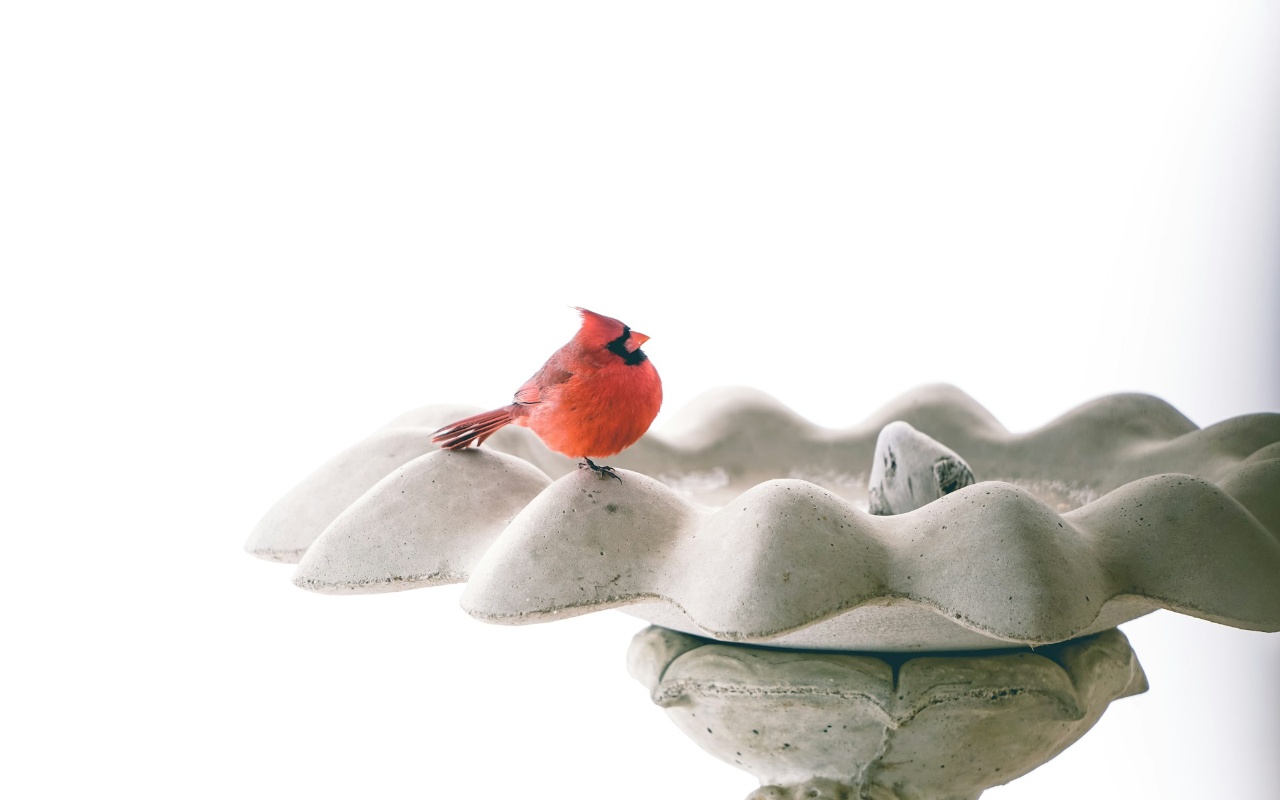
Providing liquid water for winter birds during a hard freeze is a critical intervention when sub-zero temperatures lock up regional water sources. Small birds lose moisture rapidly through respiration while shivering to stay warm. Without liquid hydration, they must ingest snow or frost, a process that strips precious metabolic heat from their tiny bodies.
Furthermore, the myth that open winter water causes birds to saturate and freeze their plumage is false. Wild avians instinctively suppress full-body bathing when temperatures plummet, restricting their interactions to rapid drinking and quick bill-cleaning. Reliable watering protocols safely preserve vital energy reserves when survival margins are thinnest.
Avian Winter Hydration Dynamics and Species Cold Tolerance Profiles
Winter bird communities deploy specialized adaptations to survive sub-freezing conditions, but internal fluid loss remains a constant metabolic threat. Black-capped Chickadees (Poecile atricapillus) and Tufted Titmice (Baeolophus bicolor) burn their lipid stores overnight to maintain a core internal body temperature near 105 degrees Fahrenheit. When these small parids emerge at dawn, their internal hydration levels are severely depleted.
Ground-foraging passerines face similar thermodynamic hurdles as they search for water. Dark-eyed Juncos (Junco hyemalis) and White-throated Sparrows (Zonotrichia albicollis) must actively seek liquid moisture to assist the muscular gizzard in digesting dense, cold-hardened seeds. Downy Woodpeckers (Dryobates pubescens) and American Goldfinches (Spinus tristis) also rely heavily on nearby liquid sources to metabolize stored fats efficiently.
The common belief that snow serves as an adequate hydration substitute is biologically incorrect. Ingesting snow forces an avian system to divert substantial caloric energy to convert solid crystals into liquid within the digestive tract. This internal phase shift consumes valuable calories that would otherwise sustain core temperature during harsh weather fronts.
Six Mechanical and Passive Blueprints for Freezing Conditions
Backyard managers can provide liquid water through several structural approaches that withstand freezing conditions. Choosing the right design depends on available electrical infrastructure, sunlight exposure, and daily maintenance capacity.
- Low-wattage thermostatically controlled basins utilize integrated heating elements rated between 50 and 150 watts that cycle on only when water temperatures approach 35 degrees Fahrenheit.
- Submersible de-icers enclosed in heavy cast-aluminum housings can be placed directly into existing bird baths to keep wide surfaces ice-free.
- Heavy-gauge black rubber livestock pans absorb ambient solar radiation while providing flexible walls that allow easy removal of residual ice cakes without cracking.
- Dark stone thermal-mass basins rest on subterranean mulch bases, absorbing midday sunlight and reradiating stored heat into shallow pools.
- Insulated recirculating fountain basins use sub-surface bubblers to create continuous surface agitation, which delays ice formation across moderate freezes.
- Dual-basin passive exchange setups combine a deep insulated exterior shell with removable shallow composite inserts that can be swapped twice daily with warm liquid.
Basin geometry plays a decisive role in avian safety during freezing conditions. Water reservoirs must never exceed a depth of 1.5 to 2.0 inches, as deeper water creates an accidental submersion risk that can lead to hypothermia. Metal pans must be avoided completely; bare wet skin or foot tissue can freeze instantly to exposed conductive metals.
Spatial Microclimate Blueprints and Structural Placement Parameters
Proper placement minimizes wind chill and protects visiting birds from ambushes. Winter setups should always take advantage of natural solar pathways while providing rapid escape access.
- Mount basins between 3.0 and 4.5 feet above the ground on rigid pedestals to eliminate access by ground predators like domestic cats.
- Position the station within a southern or south-facing clearing to capture maximum passive solar irradiance throughout the day.
- Maintain a clear buffer zone of 10 to 12 feet from thick ground brush to prevent stalking predators from lunging unnoticed.
- Provide dense canopy perches within 15 feet above the water source to allow birds to scan the area safely before dropping down.
Strike risks increase when birds flush abruptly from open water sources. Keep stations under 3 feet from exterior windows, or relocate them at least 30 feet away, to break the visual reflection of the glass. Position basins along the lee side of structural fences or evergreens to block prevailing northwest winds that accelerate water freezing.
Metabolic Thermodynamics and Water Provisioning Comparative Metrics
The thermodynamic demand placed on winter birds highlights the importance of providing liquid water over solid snow. Melting ice requires an input of 334 Joules of latent heat per gram inside the avian gut. Providing open liquid water eliminates this internal energy penalty, sparing seed-derived lipids for nighttime thermoregulation.
Comparing the primary methods of cold-weather water provisioning demonstrates distinct operational advantages across varied winter conditions.
- Thermostatically controlled heated basins provide uninterrupted liquid access down to minus 20 degrees Fahrenheit with high energy efficiency and zero manual ice chipping.
- Passive solar black rubber pans operate with zero electrical cost and provide reliable access during sunny days above 15 degrees Fahrenheit, but they freeze solid on overcast days and overnight.
- Manual hot-water rotations require no initial gear investment, but they freeze solid within two hours during hard freezes and demand labor-intensive attention throughout the day.
When assessing these techniques, heated electric systems offer the highest benefit for avian winter survival. Unheated and passive options still offer functional utility when paired with regular maintenance schedules.
Pathogenic Toxicology and Hardware Sanitation Protocols
Winter conditions do not stop microbial reproduction; in fact, the limited number of open water sites concentrates local bird populations and increases pathogen exposure. Bacteria like Salmonella enterica and Escherichia coli spread rapidly through shared water reservoirs, while accumulated feces accelerate organic contamination. Heaters can also create warm micro-climates that support biofilms and toxic algae if stations are not cleaned regularly.
Chemical sanitation methods must be applied carefully to prevent hardware corrosion and toxic exposure. Different solutions balance sanitizing power with material safety.
- A 1:9 household bleach to clean water solution ranks highest for bactericidal and virucidal efficacy, requiring a contact time of 10 minutes followed by exhaustive rinsing.
- A 50 percent white distilled vinegar wash ranks second, working well to dissolve calcium scaling on heating elements, though it requires a longer contact time of 20 minutes to neutralize hardy pathogens.
- Pure boiling water washes rank third, providing zero chemical toxicity, but they risk thermal shock that can warp consumer plastics or shatter composite basin materials.
Clean stations weekly to protect winter bird populations from waterborne disease. Disconnect all electrical de-icers before cleaning, scrub away accumulated organic residue with a stiff-bristled brush, and air-dry the basin thoroughly before refilling. Consistent sanitation ensures that your winter water station remains a clean, dependable refuge throughout the coldest months of the year.