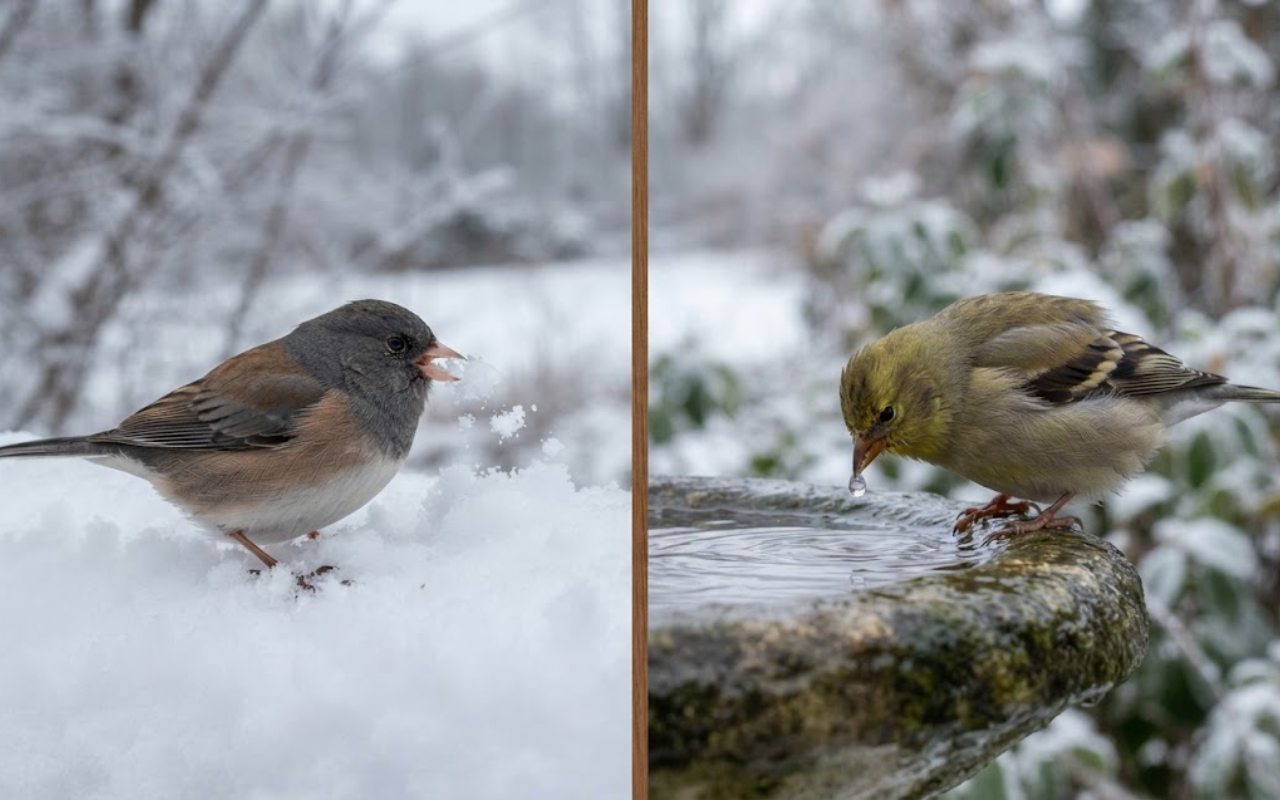
Observing how birds drink snow during freezing weather reveals a fascinating survival tactic with a hidden metabolic trade-off. Songbirds and winter residents do not swallow massive mouthfuls of ice; instead, they scoop tiny crystalline flakes with the tips of their bills to moisten their oral cavities. While this allows birds to hydrate when lakes, puddles, […]
How to Rehydrate Dried Fruit for Winter Robins and Bluebirds Safely
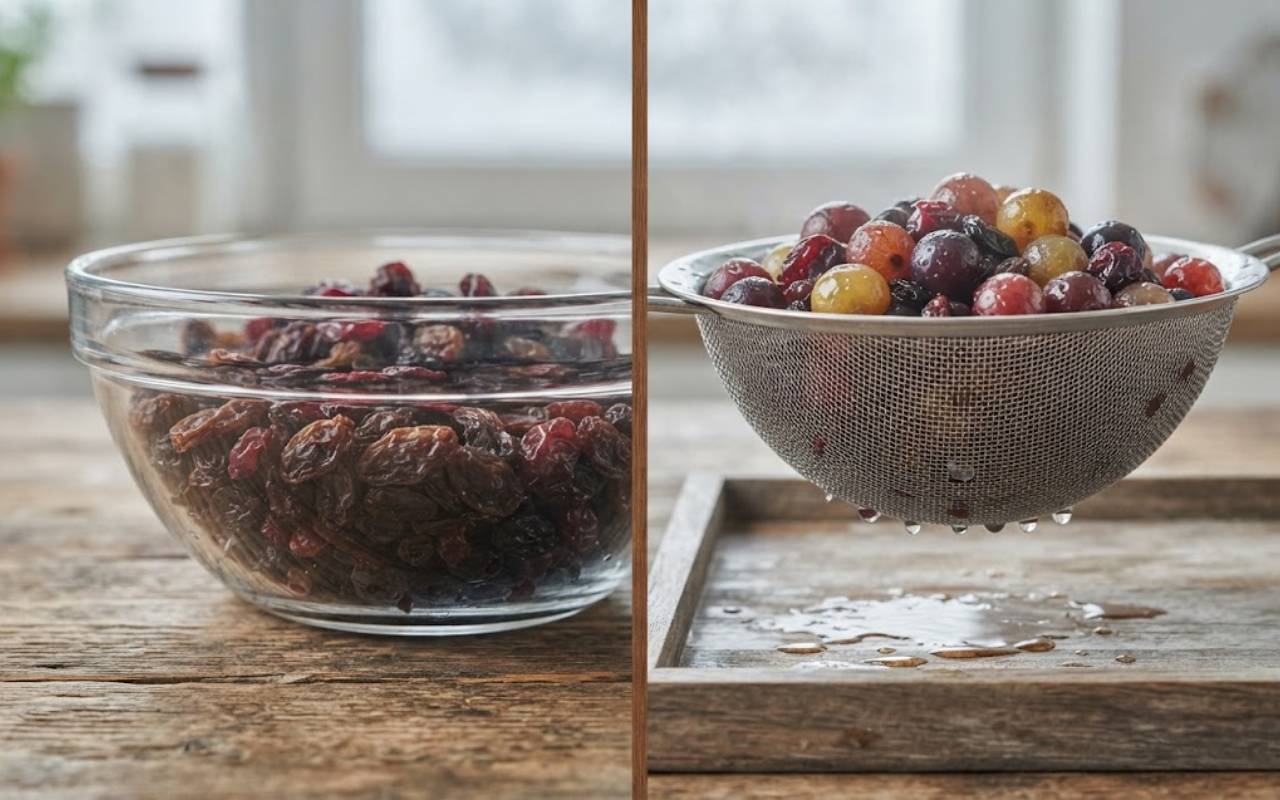
Backyard birders looking to support thrushes during freezing spells often struggle to figure out how to rehydrate dried fruit for winter robins and bluebirds without creating a soggy, frozen mess. American Robins and Eastern Bluebirds switch their diets heavily toward wild berries when cold ground temperatures lock away earthworms and insects. Standard store-bought dried fruits […]
Gourd Bird Houses DIY: How to Dry and Hollow Out Gourds
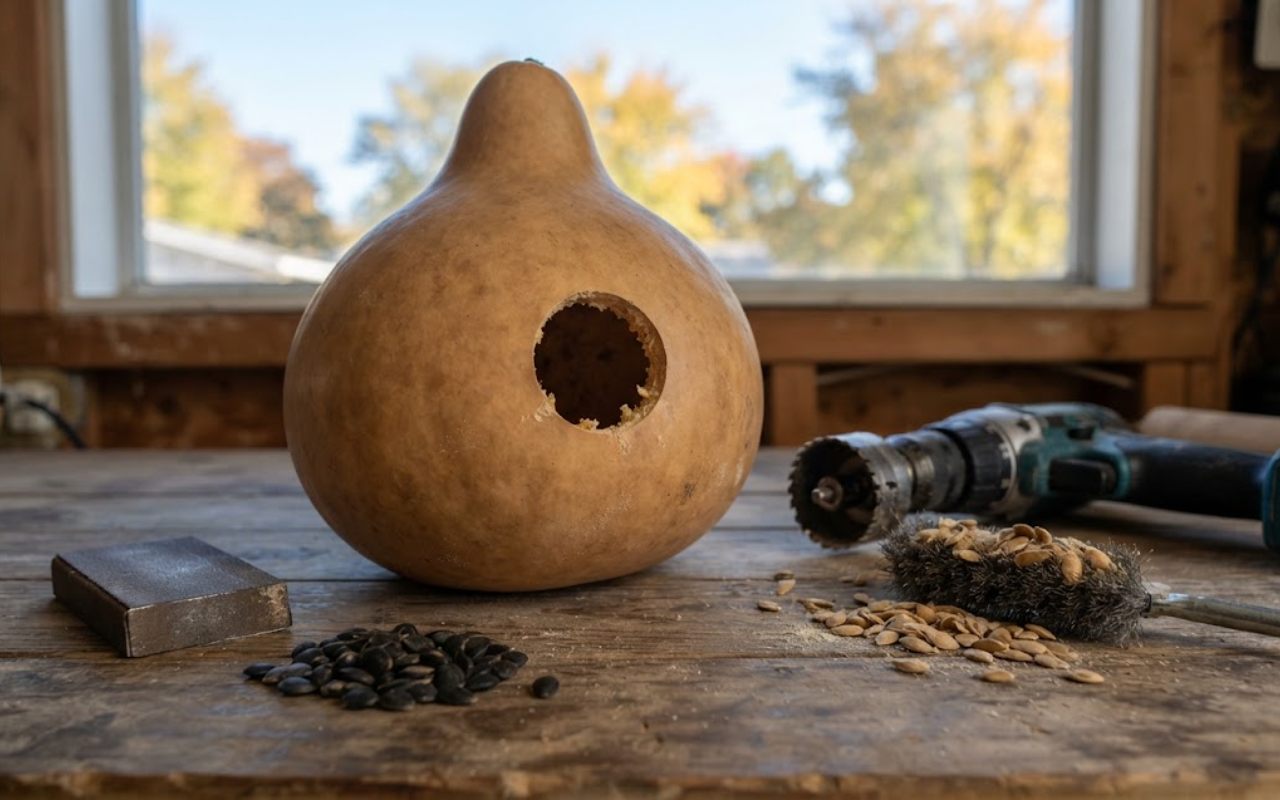
Learning how to dry and hollow out gourds for fall bird houses allows backyard conservationists to transform late-season garden harvests into durable, species-specific avian shelters. Hard-shell birdhouse gourds (Lagenaria siceraria) provide exceptional insulation and natural microclimates for cavity-nesting species when harvested after the vine completely withers in autumn. Standard garden guides often gloss over the […]
Best Berry and Nut Suet Cakes to Attract Winter Mockingbirds
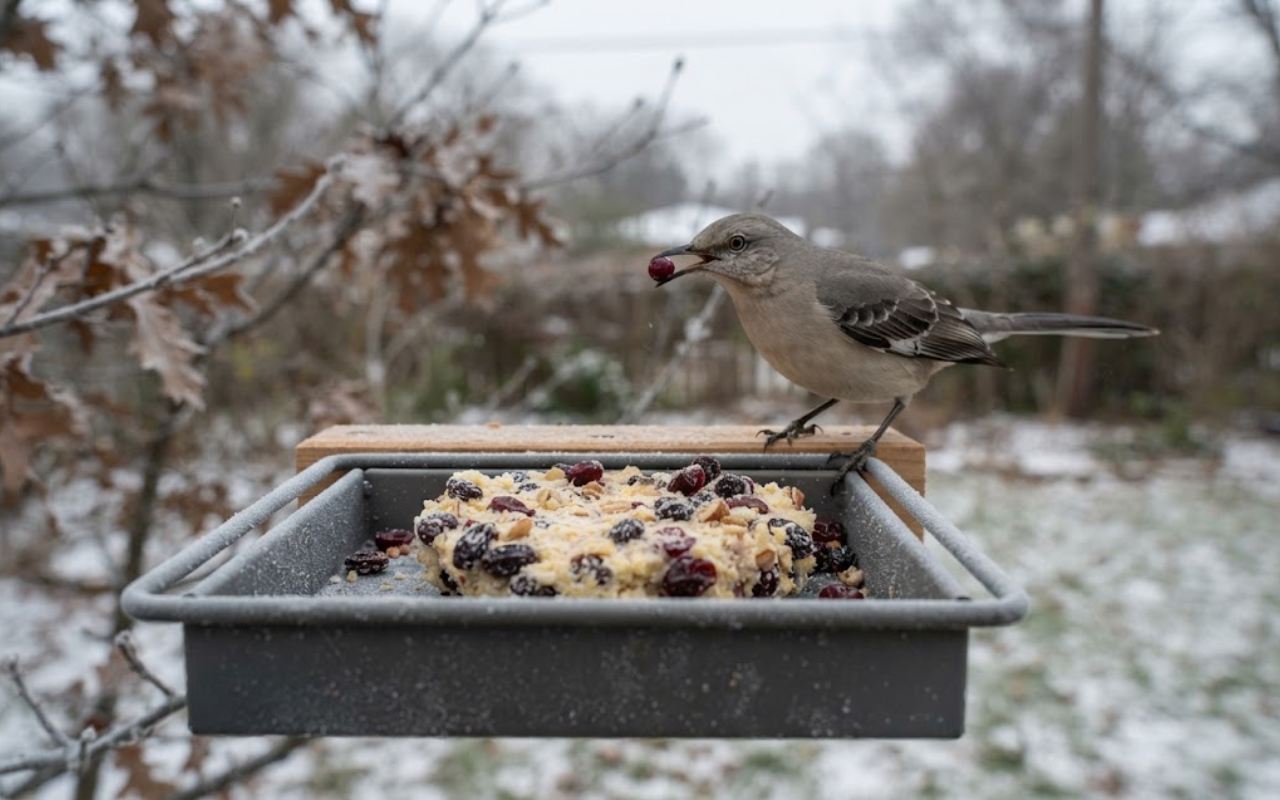
Selecting the best berry and nut suet cakes to attract winter mockingbirds requires understanding that these birds are not typical backyard seed eaters. While finches and sparrows crowd hopper feeders for sunflower seeds, Northern Mockingbirds spend cold months scouring trees for lingering wild fruits and dormant insects. Offering high-lipid cakes packed with authentic fruit and […]
How to Pack No-Melt Winter Suet Logs for Backyard Woodpeckers
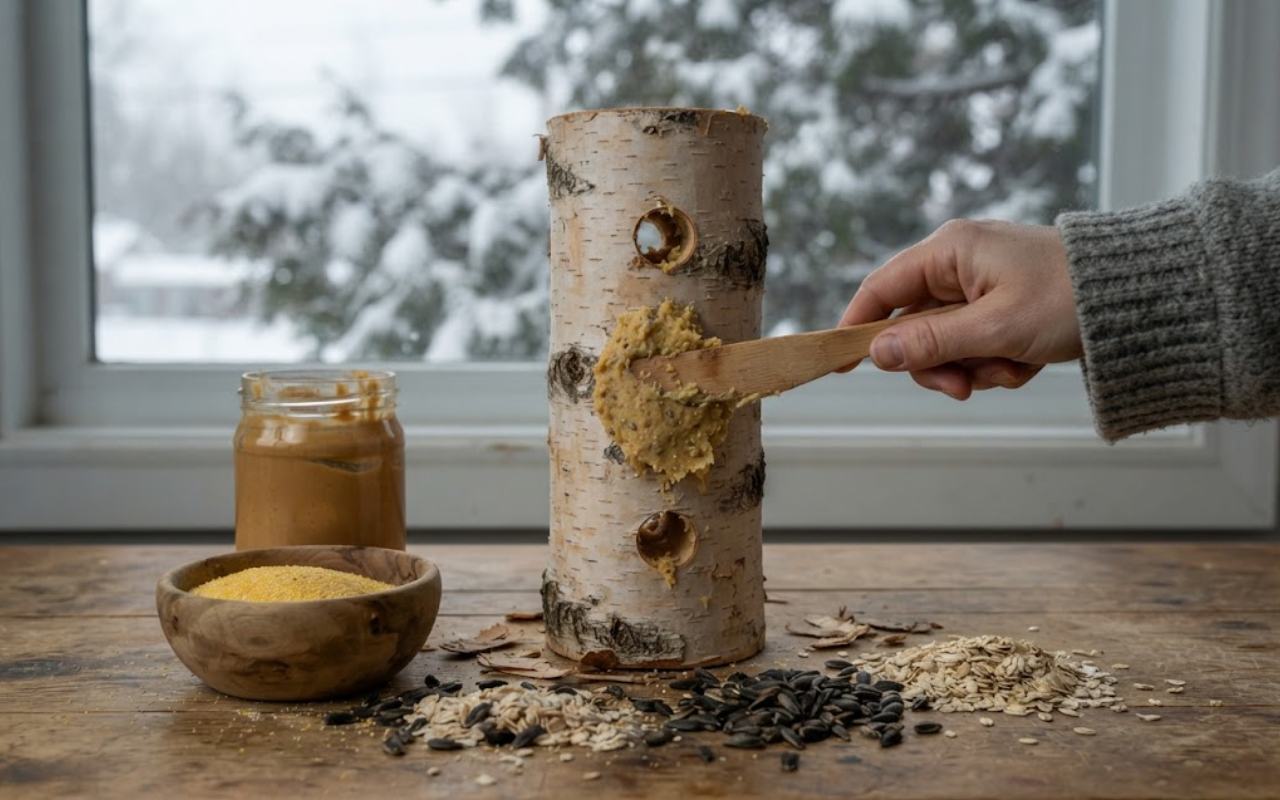
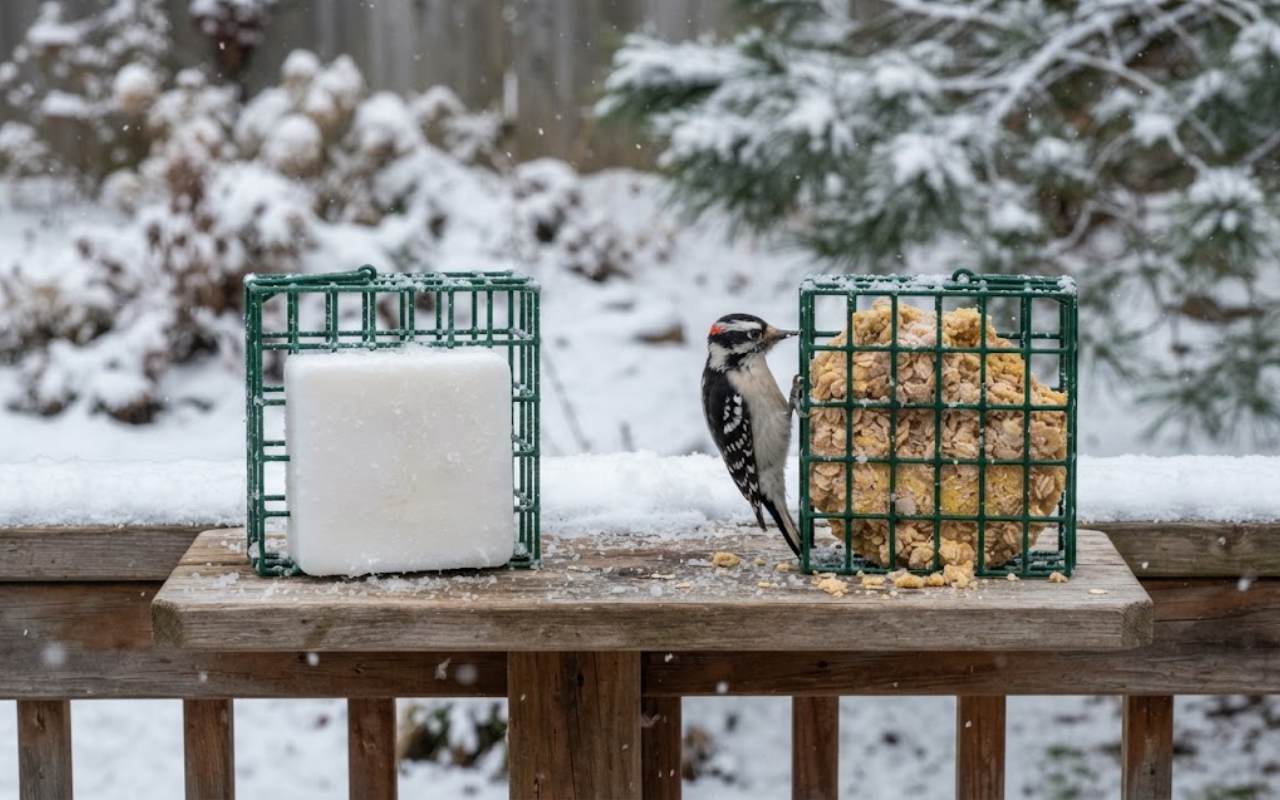
Learning how to pack no-melt winter suet logs for woodpeckers comes down to balancing proper fat binding with hole geometry so your plugs do not drop onto the frozen ground. Many backyard birders buy pre-made cakes, only to watch the fat freeze, contract, and tumble out into the snow during the first deep freeze. Building […]
Suet Dough vs Suet Blocks: Which Performs Better in the Snow?
Deciding between suet dough vs suet blocks during sub-freezing winter storms comes down to how rendered fat and binding grains react to freezing moisture. When heavy snow and sleet blanket backyard feeding stations, birds need dense caloric energy without burning excess body heat to chip through ice. Many backyard birders assume all commercial cakes act […]
The Pros and Cons of Using Hulled Sunflower Chips in Snow
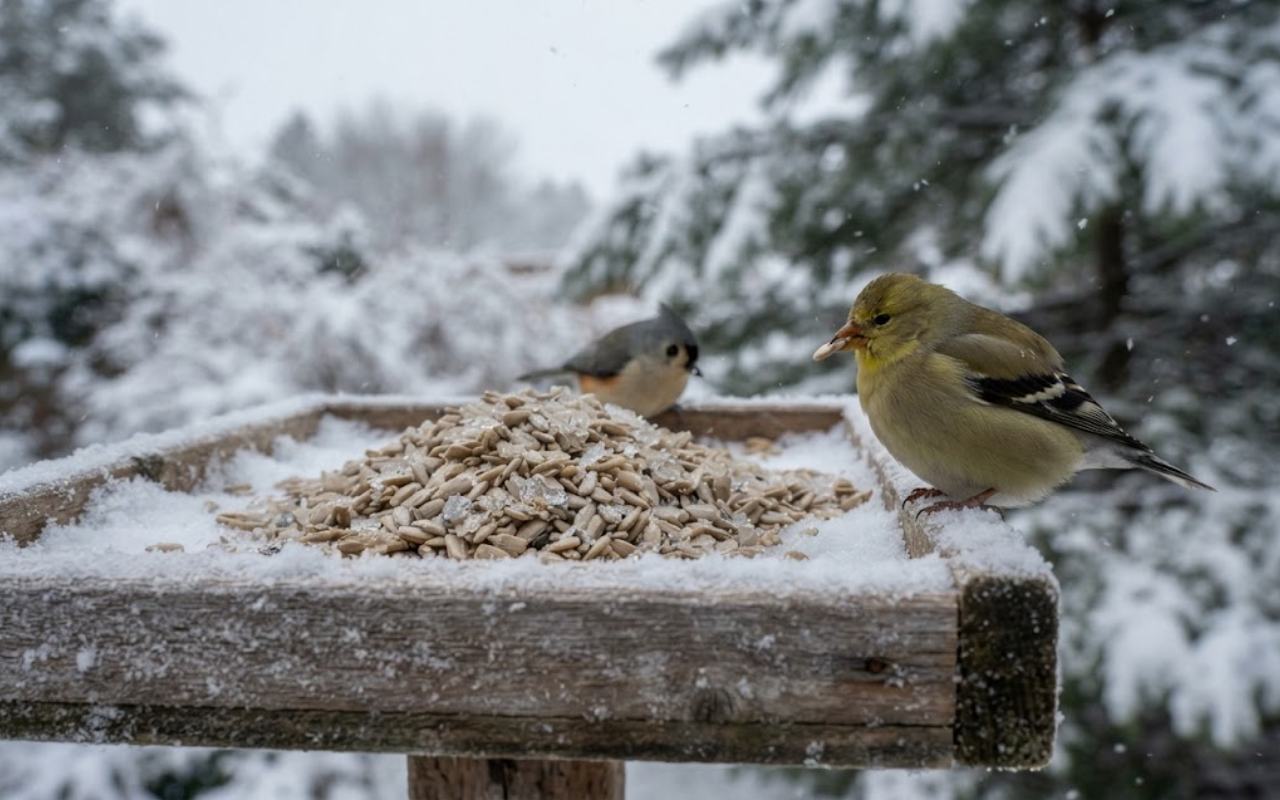
Switching to hulled sunflower chips in snow offers an immediate caloric boost for wild birds trying to stay warm. Without the outer shell, songbirds spend less time shivering on open perches cracking hulls and more time absorbing high-density plant fats. However, stripping that protective hull exposes the tender nutmeat to winter moisture, blowing flakes, and […]
How to Make Insect Infused Suet Blocks for Winter Warblers
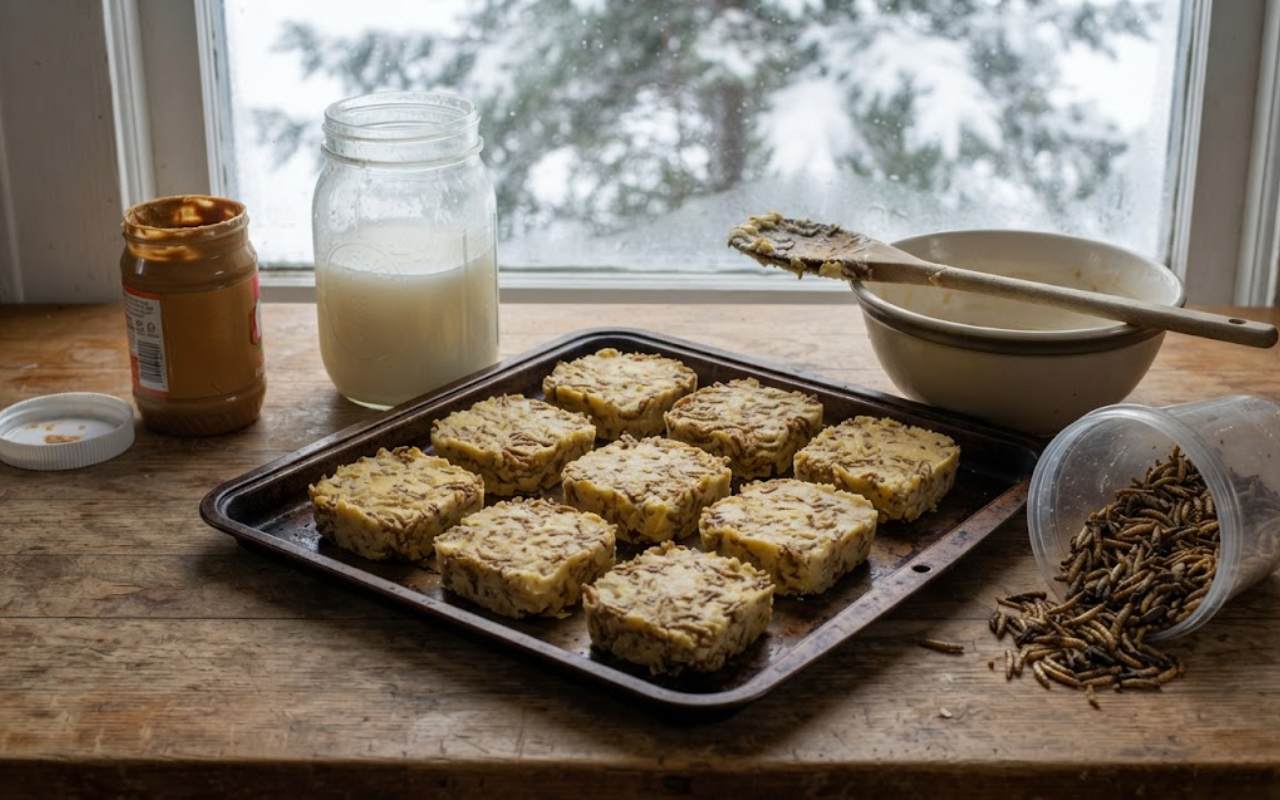
Making insect-infused suet blocks for winter warblers is one of the most reliable ways to sustain delicate insectivorous birds when severe frosts eliminate dormant spiders and leaf-litter arthropods. Backyard observers frequently watch species like Yellow-rumped Warblers and Pine Warblers flutter fruitlessly around hopper feeders because their slender, tweezer-like beaks cannot crack sunflower shells or handle […]
Feeding Birds Mealworms in Winter: Should You Use Live or Dried?
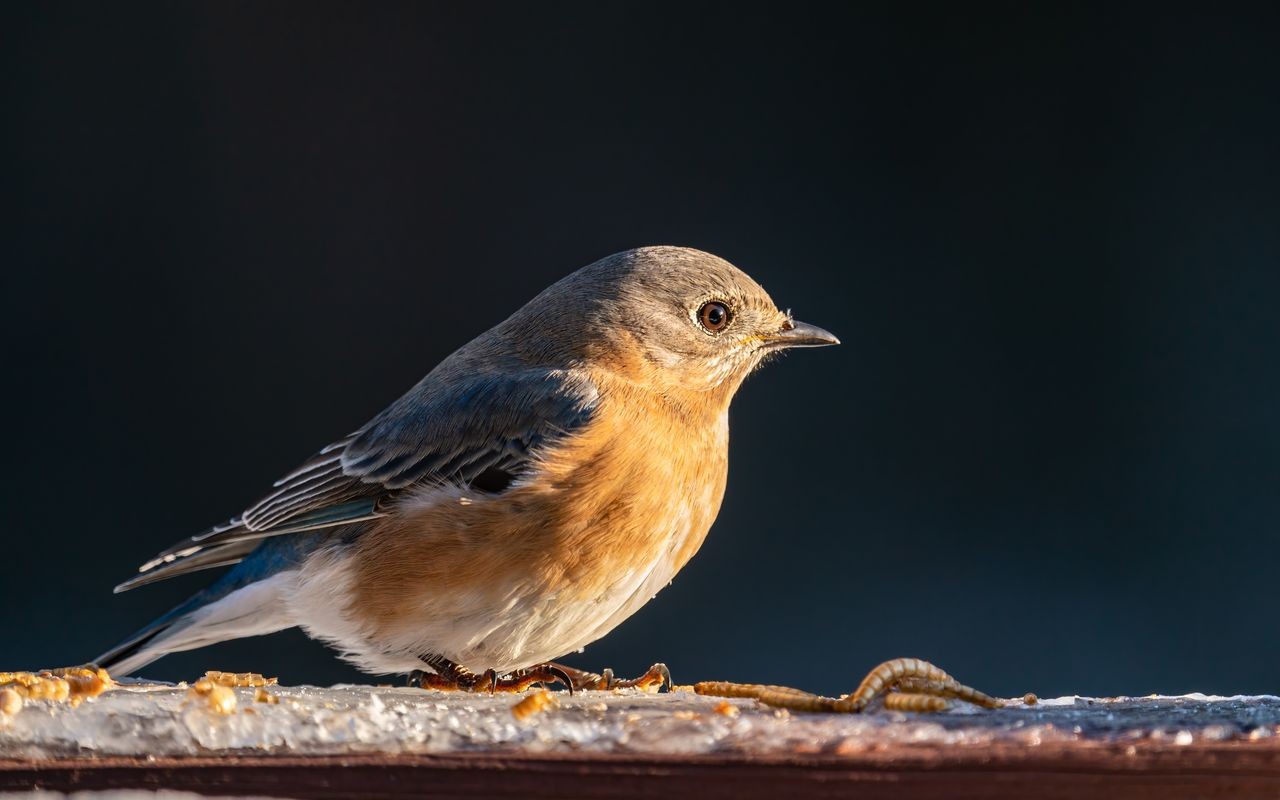
Deciding whether to feed live or dried mealworms to birds in winter depends on how fast your local temperatures drop and whether your yard offers accessible liquid water. Live larvae provide immediate moisture, but freeze into stiff blocks on an outdoor tray. Dried mealworms stay stable on freezing days, but require birds to burn internal […]
How to Make a Safe Vegan Suet Recipe with Coconut Oil
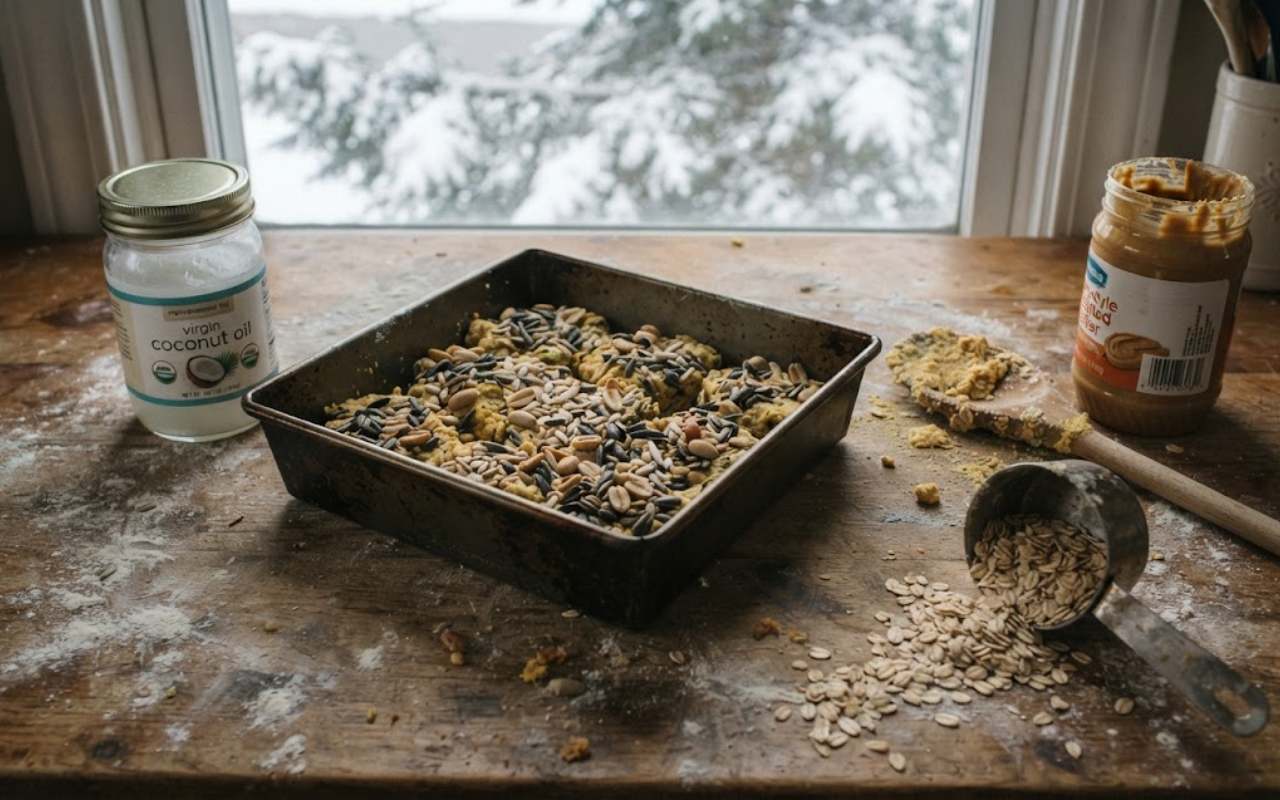
Crafting a homemade vegan suet recipe allows backyard birders to supply dense winter calories to insect-eating birds without using rendered beef tallow. Many hobbyists turn to store-bought vegetable shortening like Crisco because it mimics animal fat at a low price point. However, hydrogenated vegetable fats present severe physical hazards to wild birds that every backyard […]