
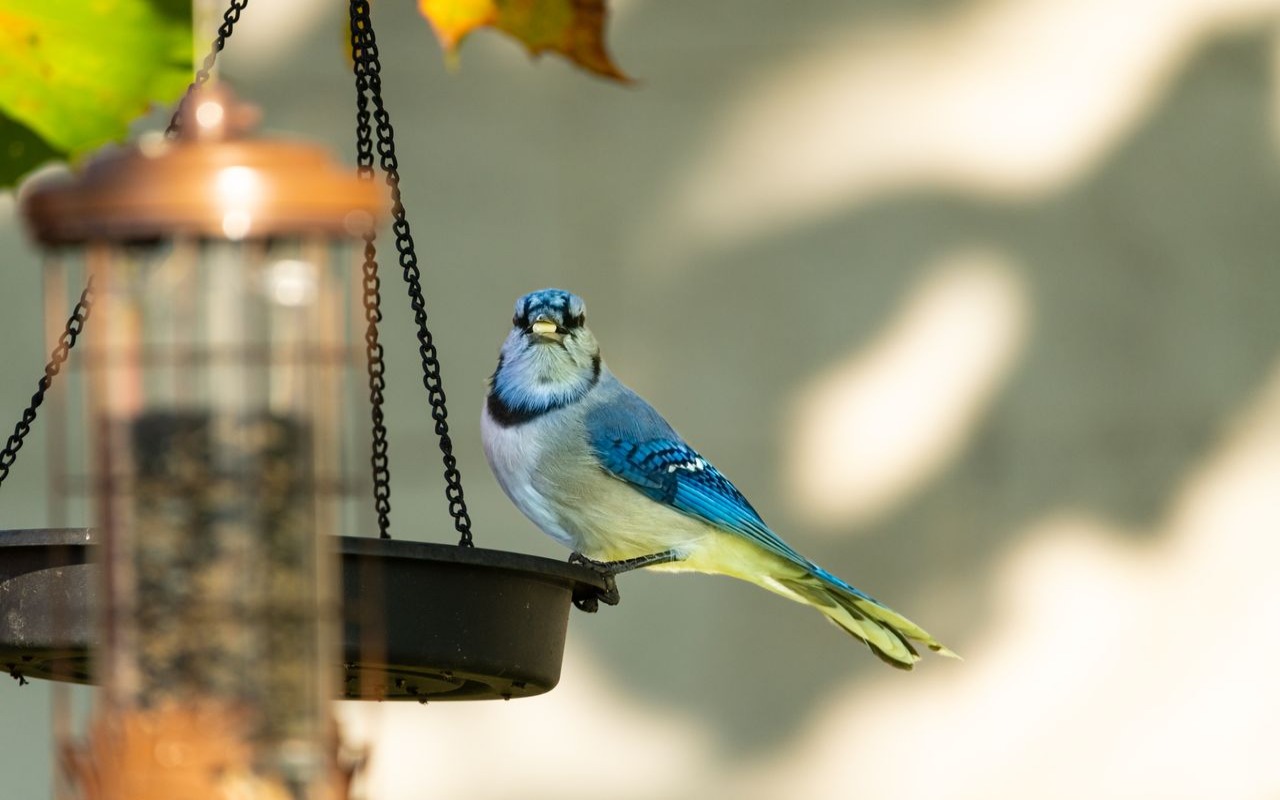
Deciding what to feed wild birds in autumn is one of the most impactful choices you can make for your local backyard flock. As daylight shrinks and temperatures drop, resident birds switch their daily routines into survival mode to build fat stores for freezing nights.
Migrating songbirds also rely on backyard feeding stations to refuel during long, exhausting journeys south. Offering the right nutrient-dense foods right now makes the difference between a bird barely scraping by and one thriving through the first hard frost.
High-Fat Fuel: The Calorie Heavyweights Birds Need First
Autumn feeding is entirely about caloric density and metabolic efficiency. Small songbirds like chickadees, titmice, and kinglets can lose up to ten percent of their total body weight overnight just trying to stay warm. Foods loaded with healthy lipids give them the quick-burning energy they need at dawn and the sustained fuel required at dusk.
Black oil sunflower seeds remain the undisputed foundation of any serious autumn feeder station. Unlike striped sunflower varieties, black oil seeds feature thin shells that small songbirds can easily crack open, combined with an oil content approaching forty percent.
Nyjer seed, also known as thistle, provides a concentrated burst of oil and protein that goldfinches and siskins desperately seek out before winter settles in.
- Black oil sunflower seeds provide roughly forty percent fat alongside essential crude protein.
- Sunflower chips and hearts eliminate shell debris and save tiny birds precious feeding energy.
- White proso millet offers accessible carbohydrates for ground-foraging native sparrows and juncos.
- Nyjer seed delivers high-calorie oils favored by American goldfinches, pine siskins, and redpolls.
Suet cakes become an essential menu item as soon as daytime temperatures regularly stay below fifty degrees. Traditional rendered beef kidney fat gives woodpeckers, nuthatches, and wrens concentrated calories that seeds alone cannot supply.
If your region experiences lingering warm spells in early fall, stick to no-melt suet dough formulations to prevent greasy feathers and spoilage.
Nuts and Meat: Protein Powerhouses for Chilly Nights
Raw peanuts and tree nuts are unmatched cold-weather fuels for larger backyard visitors like blue jays, cardinals, and woodpeckers. Nuts pack immense amounts of vegetable fat and dense protein into a single, shelf-stable package.
Blue jays in particular will harvest whole peanuts in the shell and cache them across your neighborhood for mid-winter retrieval. If you feed whole peanuts, always use a dedicated wire mesh peanut feeder to force birds to peck out smaller pieces.
Placing loose, whole peanuts in open tray feeders can cause choking hazards for smaller birds, and squirrels will empty the tray in minutes. Shelled peanut splits mixed into your hopper feeders provide an easy boost for chickadees and tufted titmice without creating shell waste.
Crucially, always keep peanuts dry; damp nuts and corn are highly susceptible to Aspergillus molds, which release dangerous aflatoxins. These potent fungal toxins can cause fatal liver damage and acute respiratory distress in songbirds.
- Shelled peanut pieces deliver roughly fifty percent fat and high vegetable protein for fast energy.
- Whole raw peanuts in the shell engage natural caching behaviors in corvids and nuthatches.
- Roasted, unsalted peanut splits work well in wire mesh tubes to slow down greedy backyard visitors.
- Crushed tree nuts like pecans and walnuts offer rich autumn foraging for overwintering woodpeckers.
Dried mealworms provide another vital nutritional boost during the autumn transition period. As soil freezes and wild insect populations die off, insect-eating species like bluebirds, mockingbirds, and wintering warblers struggle to find dietary protein.
Offering dried mealworms in a shallow, straight-sided dish helps these species maintain their muscle tissue and feather quality.
Autumn Weather Proofing: Beating Moisture and Clogs
Autumn weather is notoriously wet, swinging wildly between driving rain and freezing sleet. Moisture is the number one enemy of backyard bird feeding because damp seed quickly forms toxic clumps of mold.
Forum regulars and experienced birders know that wet seed will cake inside tube ports, completely cutting off the food supply. Installing wide weather domes or baffle covers over your hanging feeders keeps autumn rain from driving directly into the feeding ports.
Adding drainage holes to tray feeders ensures standing water drains out before the seed turns into a soggy, fermenting mess. Tube feeders with quick-release bases allow you to clear out damp, packed seed from the bottom cylinder in just a few seconds.
- Weather domes measuring twelve to fifteen inches wide keep driving autumn rain off feed ports.
- Raised wire mesh bottom inserts allow air circulation beneath seed inside flat platform feeders.
- Hopper feeders with deep overhanging eaves protect central reservoirs from blowing precipitation.
- Tube feeders featuring removable metal bases simplify the task of clearing wet, compacted seed.
Seed clumping also increases the risk of mycotoxins, which can be lethal to finches and sparrows. If seed smells musty or looks clumped together, dump it immediately into the trash rather than shaking it loose. During extended wet weeks, fill feeders only halfway so the flock finishes the contents before dampness takes hold.
Don’t Forget Fresh Water: The Overlooked Autumn Lifeline
Many backyard birders pack up their bird baths once summer ends, but fresh water is often harder for birds to find in late autumn than food. Birds must drink daily to metabolize high-fat seeds and maintain their hydration levels. Even more importantly, birds need clean water to bathe, which keeps their feathers aligned and properly trapping insulating air against their skin.
A dirty, waterlogged feather cannot trap body heat, leaving the bird vulnerable to hypothermia during freezing nights. Keep bird baths shallow, maintaining a water depth between one and two inches so small songbirds can bathe safely without saturating their inner down. Place a flat, rough stone in the center of the basin to serve as an easy perch and depth gauge.
- Basin water depth should remain strictly between one and two inches to prevent waterlogging feathers.
- Submersible de-icers rated between forty-four and fifty watts keep shallow basins open during hard frosts.
- Solar aerators or water wigglers create surface ripples that catch the eye of passing migrants.
- Textured rocks placed inside slippery plastic or ceramic basins give small songbirds stable footing.
When night frosts begin to skim your bath with ice, install a thermostatically controlled bird bath de-icer rather than dumping boiling water onto frozen ceramic. These small immersion heaters turn on only when the water approaches freezing temperatures, keeping an open ring of liquid without heating the water uncomfortably.
Never add chemicals, salt, or glycerin to bird baths to stop freezing, as these substances ruin feather waterproofing and poison wild birds.
Feeder Hygiene and Yard Setup to Stop Disease Outbreaks
High feeder traffic in autumn increases the risk of avian diseases like salmonellosis and avian pox spreading between visiting flocks. When dozens of birds gather around a single food source daily, contaminated perches and dropped hulls quickly become biohazards. Regular sanitation protects your local backyard birds from preventable outbreaks.
Clean your feeders every two weeks, or weekly during prolonged rainy spells, using a mild disinfectant. Scrub away all organic matter and caked droppings with hot, soapy water before soaking the equipment in a standard wildlife-safe bleach solution. Rinse everything thoroughly with clean running water and let the parts dry completely in the sun before refilling them with fresh seed.
- Wash feeders thoroughly with warm water and unscented dish soap to lift crusted debris.
- Soak cleaned components in a solution of nine parts clean water to one part household bleach for ten minutes.
- Air-dry all feeder parts completely before adding dry seed to prevent immediate mold growth.
- Rake up accumulated seed hulls and bird droppings beneath your feeding stations once each week.
Spacing your feeding stations across different zones of your yard reduces crowding and territorial fighting. Hang high-fat suet near dense evergreen shrubbery to offer small birds instant shelter from wind and roaming predators like Cooper’s hawks.
Scatter low-growing brush piles in a quiet yard corner to give ground-feeding juncos and native sparrows a safe retreat between feeding sessions.