
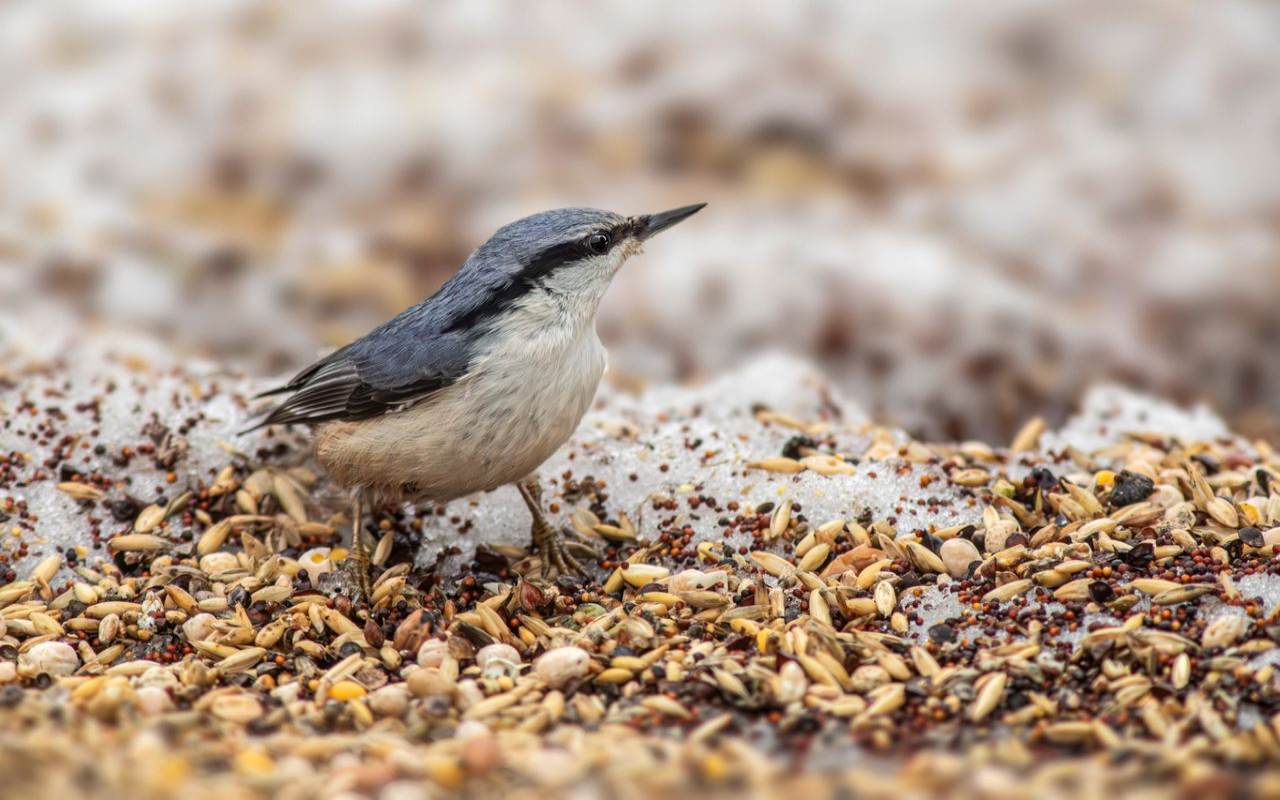
Learning how to manage your feeding station by cleaning fallen seed hulls before the first deep freeze is an essential task for any responsible backyard birder. When discarded shells sit underneath a thick blanket of winter snow, they create a damp, oxygen-deprived environment that quickly breeds harmful bacteria and fungi.
Taking proactive steps in late autumn protects ground-foraging birds from dangerous pathogens. It also preserves your lawn and prevents foul odors from emerging during the spring thaw.
The Biological Risks of Seed Hulls Trapped Beneath Snow
Accumulated seed debris creates an ideal breeding ground for microscopic threats during cold, damp conditions. Black oil sunflower shells contain natural biochemical compounds that leach into the soil, suppressing grass growth and killing surrounding perennial root systems. When heavy snow seals moisture against the ground, these dense layers trap decomposing organic matter against the turf.
This rotting layer fosters fungal strains like Aspergillus, which causes severe respiratory distress in foraging birds. Bacterial pathogens, including Salmonella enterica, also thrive in contaminated waste piles mixed with avian droppings. Ground-feeding species such as Dark-eyed Juncos and Mourning Doves routinely forage through these toxic deposits, exposing themselves to preventable illnesses.
The resulting decay also damages landscape aesthetics and property hygiene. Matched with winter moisture, the suffocated turf develops severe dead patches known as snow mold. Removing this organic waste before persistent snow cover protects both your regional avian populations and your yard.
Essential Yard Tools to Gather and Clean Fallen Hulls
Collecting dense waste from garden turf and soil requires equipment suited to the terrain. Standard leaf rakes often bend under the weight of wet sunflower debris, requiring stiffer alternatives.
| Equipment Type | Target Surface | Operational Best Practice |
|---|---|---|
| Wire Tine Rake | Established Turfgrass | Penetrates the thatch layer to lift damp, matted hulls without destroying dormant grass crowns. |
| Wet-Dry Shop Vac | Hardwood Decks & Patios | Best used on crisp, dry afternoons when shell fragments are brittle and lightweight. |
| Transfer Shovel | Open Garden Beds / Soil | Strips the top half-inch of soil to physically eliminate matted avian feces and organic waste layers. |
| Horticultural Lime | Exposed Earth Ground | Apply a thin, uniform dusting to dry soil substrates to create an inhospitable surface barrier against pathogens. |
Rubber-bristle push brooms to sweep fine particles from concrete or wooden deck boards.
Heavy-duty wire tine rakes for lifting debris embedded in established grass blades. Wire tines penetrate the thatch layer without tearing out healthy grass crowns.
Outdoor wet-dry shop vacuums equipped with wide utility nozzles for dry patios and decks. Vacuum during dry afternoons when hulls are brittle and significantly lighter to handle.
Lightweight garden tarps placed directly beneath active feeding stations to catch fresh waste.
Flat-edge transfer shovels for scraping packed layers off hard surfaces and packed earth.
Mechanical Strategies to Clear Seed Waste Before Snowfall
Begin cleanup operations by establishing an efficient mechanical removal routine. Rake the perimeter of the feeding area inward, pulling scattered fragments toward the feeder pole base. Working from the outer edge ensures you capture hulls spread by wind and ground-scratching sparrows.
For hard surfaces like flagstone or timber platforms, an outdoor vacuum offers the fastest solution. Empty the vacuum canister frequently to maintain suction, especially if the debris contains damp soil or spilled grit. Never dispose of accumulated hulls in domestic vegetable compost, as sunflower husks break down slowly and inhibit plant development.
Instead, bag the debris for municipal yard waste or spread it across non-planted access pathways. If working on open soil beds, scrape the top half-inch of debris away with a transfer shovel. This mechanical stripping eliminates both the shell fragments and the high concentration of avian feces mixed within the dirt.
Soil Sanitation Protocols to Stop Winter Seed Mold and Pathogens
Once you clear the bulk waste, sanitize the underlying ground to neutralize residual pathogens. Moisture beneath early snow can reactivate dormant bacterial colonies unless treated beforehand.
- Disinfect Hard Surfaces: Prepare a standard disinfectant solution using one part household chlorine bleach to nine parts clean water. Saturate heavily soiled patio stone, flagstone, or platform surfaces with the mixture using a clean pump sprayer. Allow the solution to maintain contact with the hard surface for ten minutes before rinsing thoroughly with clean water.
- Create a Chemical Barrier on Exposed Soil: For soil-based zones, sprinkle a thin, uniform layer (roughly one-quarter inch deep) of agricultural grade powdered limestone, such as C-I-L Dolomitic Lime or DAP Bondex Hydrated Lime, over the bare earth. Rather than trying to permanently alter deep soil pH, this topical application creates a temporary, highly alkaline, and caustic surface condition that effectively dehydrates fungal spores and kills lingering bacteria on contact.
- Enforce a Safety Drying Period: Let all treated ground areas dry completely before reopening the station to wild birds. Because fresh lime dust can be an irritant to skin and paws, keep domestic pets away from the treated soil zone for a few days until the powder settles into the earth.
Sanitizing the ground breaks the infection cycle for native songbirds returning to feeding sites. Ground-feeding White-throated Sparrows and Northern Cardinals are particularly vulnerable to lingering soil bacteria. Consistent surface disinfection keeps winter feeding safe and biologically sound.
Feeder Adjustments to Minimize Seed Hull Accumulation
Modifying your winter feeding setup reduces the volume of hulls you must manage in the future. Installing wide seed-catching trays beneath tube feeders stops discarded shells before they ever strike the lawn. These broad plastic or metal trays catch up to eighty percent of dropped waste.
Switching to waste-free mixes drastically cuts ground mess throughout the winter season. Shelled sunflower chips, cracked corn, and hulled peanuts leave zero waste behind for snow to bury. Every ounce of food offered to the birds is completely consumed, eliminating the rotting layer entirely.
Position your feeding arrays away from high-traffic turf or sensitive garden beds before the ground freezes solid. Relocate hardware over gravel aprons, mulched pathways, or patio zones that are easy to shovel. Proactive winter preparation ensures backyard birds enjoy high-energy nutrition without contaminating the winter ecosystem.