
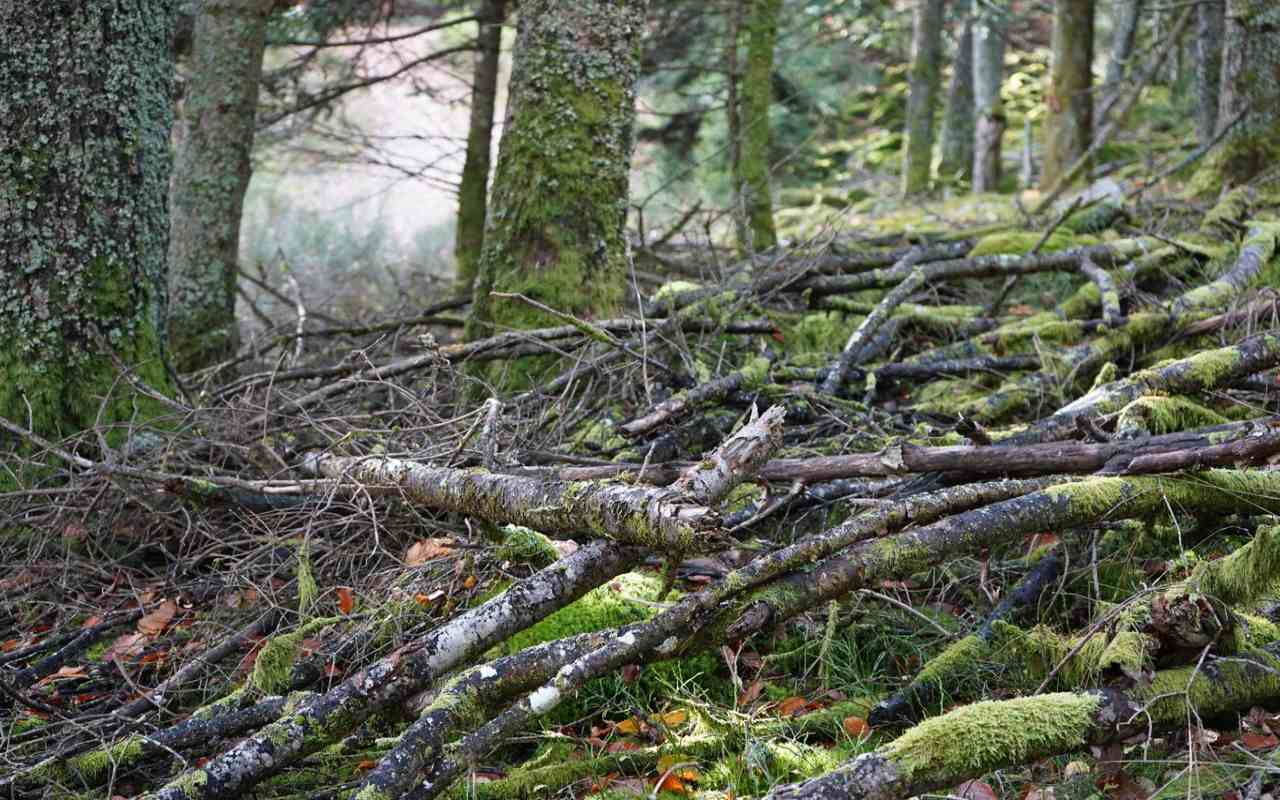
Learning how to build a yard brush pile wildlife shelter provides critical refuge when winter temperatures drop below freezing and icy winds threaten local songbirds. Cold drafts strip body heat rapidly from small passerines that must burn fat reserves continuously to stay alive. A well-constructed shelter breaks fierce gusts and creates a stable microclimate near ground level.
Native species rely on dense thickets for thermal preservation and quick escape cover from winter predators. By utilizing fallen yard trimmings, homeowners can recreate the structural complexity of natural windfall thickets. This simple landscape feature directly reduces metabolic stress for vulnerable birds throughout the harshest months.
Thermal Physics of Winter Brush Shelters for Songbirds
Small songbirds such as Black-capped Chickadees, Dark-eyed Juncos, and Carolina Wrens possess high metabolic rates and small body masses. In sub-freezing temperatures, convective cooling caused by high winds accelerates thermal loss across their plumage. When forced to roost in exposed branches, these birds expend critical lipid stores simply to maintain an internal temperature near 104 degrees Fahrenheit.
A dense matrix of logs and twigs reduces ambient wind velocity to near zero within the core of the pile. Air pockets trapped between tangled branches act as dead-air insulation, trapping residual ground heat. This sheltered microhabitat allows songbirds to enter nocturnal hypothermia or fluff their down feathers without facing continuous wind chill.
Field observations documented by organizations like the Audubon Society show that ground-foraging species gather inside brush shelters during blizzards. The structure functions as an essential windbreak that significantly improves overnight survival rates during sudden cold snaps.
Site Selection and Wind Direction Strategy
Selecting the right location for your brush structure determines how effectively it blocks prevailing winter gusts. In most regions of North America, prevailing winter storms arrive from the north and northwest. Positioning your pile on the southern or southeastern side of existing barriers enhances its protective qualities.
Consider these strategic placement guidelines when establishing the pile footprint:
- Place the pile within twenty to thirty feet of active feeding stations to give feeding birds rapid escape routes.
- Situate the structure along an existing fence line, hedgerow, or tree line to stop open wind tunnels.
- Maintain a clearance of at least fifteen feet from house foundations to prevent unwanted rodent migration into structures.
- Choose elevated, well-drained soil to avoid cold standing water or ice accumulation at the base.
Placing the structure in a spot that receives morning sunlight provides additional thermal benefits. Basking in early sunlight helps songbirds elevate their metabolic rates after long, freezing winter nights.
Foundation Geometry and Base Branch Placement
A durable brush shelter requires a rigid foundation that prevents collapse and ensures open ground corridors. If branches are thrown down without structure, the pile compresses into a damp, ground-level mat that offers no interior cavity space. Songbirds require clear, interconnected tunnels inside the base to move, perch, and evade ground predators.
Begin construction by laying down the heaviest structural elements using a crisscross log cabin arrangement:
- Lay four to six thick logs measuring four to eight inches in diameter parallel to one another.
- Place a second layer of perpendicular logs across the first set to form a stable grid foundation.
- Keep interior base channels open between six and twelve inches wide to accommodate ground birds.
- Avoid using treated lumber, railroad ties, or wood coated with toxic paints and chemical sealants.
This heavy framework elevates the resting areas several inches off frozen ground. It also preserves internal passageways even under the weight of wet, heavy snowpacks.
Dense Layering with Evergreens and Fine Brush
Once the structural grid is secure, build intermediate layers to baffle incoming wind currents. Coarse tree limbs, pruning boughs, and stiff deciduous branches should be laid across the base framework at staggered angles. This middle tier creates a dense network of secure perches suitable for White-throated Sparrows, Song Sparrows, and northern cardinals.
Top the entire structure with evergreen boughs to form an exterior roof against wind, sleet, and drifting snow:
- Discarded holiday trees, pine cuttings, and spruce boughs work exceptionally well for top thatched layers.
- Interweave lighter birch or maple twigs through the exterior to lock the conifer boughs in place.
- Angle evergreen branches outward and downward so melting precipitation sheds away from the dry center.
- Aim for a finished pile height of approximately five to six feet and a base diameter of eight to ten feet.
The dense outer evergreen thatch catches blowing snow, creating an outer insulating igloo effect while the interior core stays dry and wind-free.
Winter Maintenance and Predator Safety Around the Pile
A brush pile must offer safe refuge rather than become an ambush site for domestic cats or Cooper’s Hawks. Maintaining clear perimeter sightlines ensures that small birds can survey their surroundings before exiting the brush. Avoid placing low-lying seed trays immediately adjacent to dense outer brush where stalking cats could hide undetected.
Follow these practical maintenance and safety protocols throughout the winter season:
- Scatter coarse gravel or clean sand near the base edge so ground foragers can consume necessary digestion grit.
- Inspect the top layer after heavy snowfalls and gently brush off deep drifts that threaten to flatten the structure.
- Rake away moldy seed hulls and organic debris from the perimeter every few weeks to limit fungal spore development.
- Sanitize nearby feeding hardware with a standard one-to-nine household bleach and water solution regularly.
When spring arrives, allow the brush structure to remain undisturbed through early summer. Many native wren and sparrow species will utilize the settled pile for essential nesting sites and insect foraging grounds.