
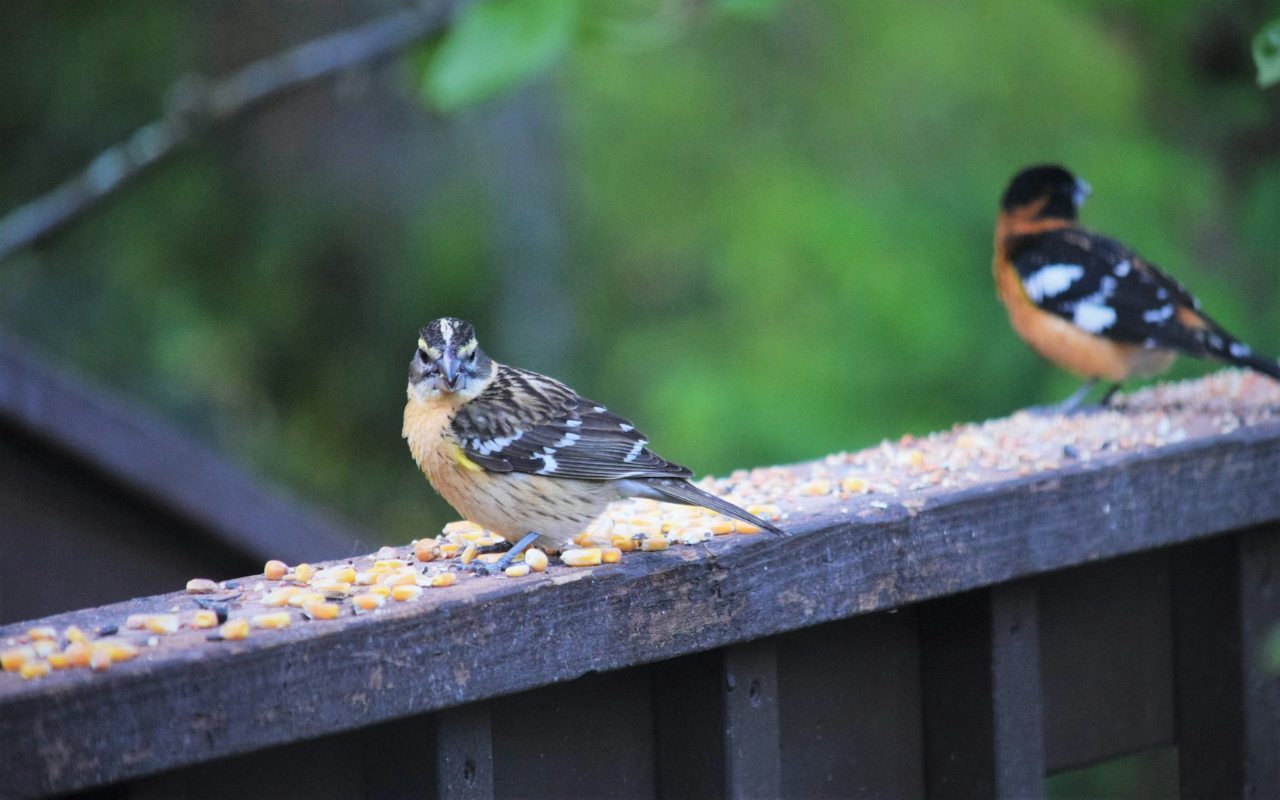
Deploying safe kitchen scraps for birds in November can provide crucial caloric assistance during the onset of freezing temperatures if managed with scientific precision. A pervasive backyard myth suggests that stale bread, cracker crumbs, and leftover pastry crusts offer harmless fuel for wintering flocks. In truth, these processed carbohydrates contain minimal usable lipids, rapidly sour in damp conditions, and induce nutritional deficiencies that impair nighttime thermoregulation.
Avian species facing sub-zero overnight temperatures require energy-dense fats rather than complex starches. Intentional food selection prevents crop impaction while delivering the concentrated lipids necessary for cold-weather survival.
Species Profile and Core Behavioral Differences
Backyard feeding stations in November serve distinct avian guilds with vastly different digestive capabilities and foraging behaviors. Small-bodied resident species such as the Black-capped Chickadee, Tufted Titmouse, and White-breasted Nuthatch maintain high basal metabolic rates, requiring rapid fat conversion through shivering thermogenesis. Meanwhile, omnivorous corvids like the Blue Jay and American Crow seek dense proteins and utilize spatial memory to cache surpluses in tree crevices or leaf litter.
- Black-capped Chickadee: Requires high-lipid fats, active cacher, feeds singly from hanging feeders.
- Tufted Titmouse: Forages on firm fats and raw squash seeds, utilizes hammering behavior to break hard shells.
- Downy Woodpecker: Clinging insectivore adapted to digest dense suet and animal fats directly from bark crevices.
- Blue Jay: Opportunistic omnivore capable of ingesting whole roasted peanuts and large vegetable scraps.
Offering salted or processed table scraps directly disrupts the osmotic balance of these small passerines, leading to severe dehydration during freezing spells. Ground foragers like Dark-eyed Juncos will consume scrap fragments, making clean ingredient selection critical to avoid congregating birds over degraded foods.
Habitat Layout and Feeder Setup
Kitchen scraps must never be broadcast indiscriminately onto the soil where moisture triggers bacterial proliferation. Specialized feeding apparatuses isolate acceptable domestic scraps from damp ground litter and limit access by nuisance mammals. Avoid using flexible nylon mesh produce bags, as thin plastic fibers readily snag avian hallux claws, causing severe constriction injuries and fractures.
- Coated wire suet cages: Quarter-inch welded wire mesh holds raw suet trimmings securely for clinging woodpeckers and nuthatches.
- Hanging platform trays: Perforated powder-coated steel mesh trays allow moisture drainage while offering access to coarse vegetable cuttings.
- Elevated hopper inserts: Specialized interior metal troughs prevent damp scrap materials from caking against dry commercial seeds.
Elevated platforms should feature open sightlines to allow feeding birds to scan for approaching accipiter hawks. Position scrap offerings in shaded or semi-sheltered microclimates to delay fat rancidity caused by direct late-autumn sunlight.
Structural Dimensions and Placement Guidelines
Feeder positioning must address structural window collisions and ground predator clearance. Feeders should be installed within three feet of window glass to eliminate lethal flight momentum, or placed further than thirty feet away to allow ample maneuvering space. Orient feeding trays toward the south or southeast to buffer birds against prevailing northwest winter gales.
- Mounting height: Maintain a minimum suspension clearance of five to six feet above the soil line.
- Baffle dimensions: Install a fourteen-inch diameter torpedo or cone baffle beneath platform mounts to block terrestrial scavengers.
- Clear ground radius: Maintain an open six-foot circular perimeter beneath stations, clear of dense shrubs where feral cats ambush feeding ground birds.
Feeders mounted directly to tree trunks are strictly discouraged because they provide direct access routes for rodents and raccoons. Always secure free-standing setups on smooth galvanized steel poles treated with physical baffles.
Nutritional Biochemistry and Feeding Protocols
November survival hinges on crude lipid percentages rather than simple sugars or dietary fiber. Scrap foods must supply immediate, bioavailable calories without burdening the avian renal system. Evaluate potential kitchen offerings through an empirical nutritional hierarchy before placement.
- Raw beef suet trimmings: Delivers roughly ninety percent crude lipids and zero carbohydrates, making it the premier metabolic fuel for freezing nights.
- Black oil sunflower seeds: Provides forty percent crude lipids and sixteen percent crude protein, serving as the benchmark standard.
- Unsalted squash and pumpkin seeds: Yields thirty percent crude lipids and twenty-five percent protein, functioning as an exceptional scrap additive.
- Processed bread and baked goods: Supplies less than five percent fat and over fifty percent starch, representing a net metabolic loss that promotes starvation.
Never feed birds scrap ingredients containing persin from avocado skins, theobromine from cocoa, or excessive sodium chloride. High salt concentrations trigger rapid hypernatremia, which wild passerines cannot mitigate when surface water sources are frozen solid. Furthermore, damp carbohydrate scraps accelerate the growth of Aspergillus flavus, a deadly fungal mold producing lethal aflatoxins within digestive tracts.
Pest Mitigation and Sanitation Safeguards
Kitchen scraps degrade far faster than standard commercial dry seeds, creating rapid vectors for Salmonella enterica transmission. Platform feeders bearing moist foods must be scraped clear and sanitized every forty-eight hours to mitigate pathogenic biofilm buildup.
- Ten percent bleach solution: A 1:9 dilution of household bleach to water ranks highest in germicidal efficacy, destroying viral pathogens and fungal spores within a ten-minute soak.
- Five percent white vinegar: Acetic acid provides moderate antibacterial action for weekly wipe-downs, safe for acrylics but ineffective against resilient mycotoxins.
- Boiling water immersion: Highly effective for sterilizing bare galvanized wire cages, but warps polycarbonate plastics and degrades solder joints.
Rinse all equipment exhaustively with clean well or tap water after chemical disinfection to eliminate residual chlorine fumes. Clear accumulated scrap debris beneath the six-foot feeder radius daily to deny nocturnal foraging opportunities to local rodent populations.