Earnings Disclosure: As an Amazon Associate, I earn from qualifying purchases made through links in this post at no extra cost to you.
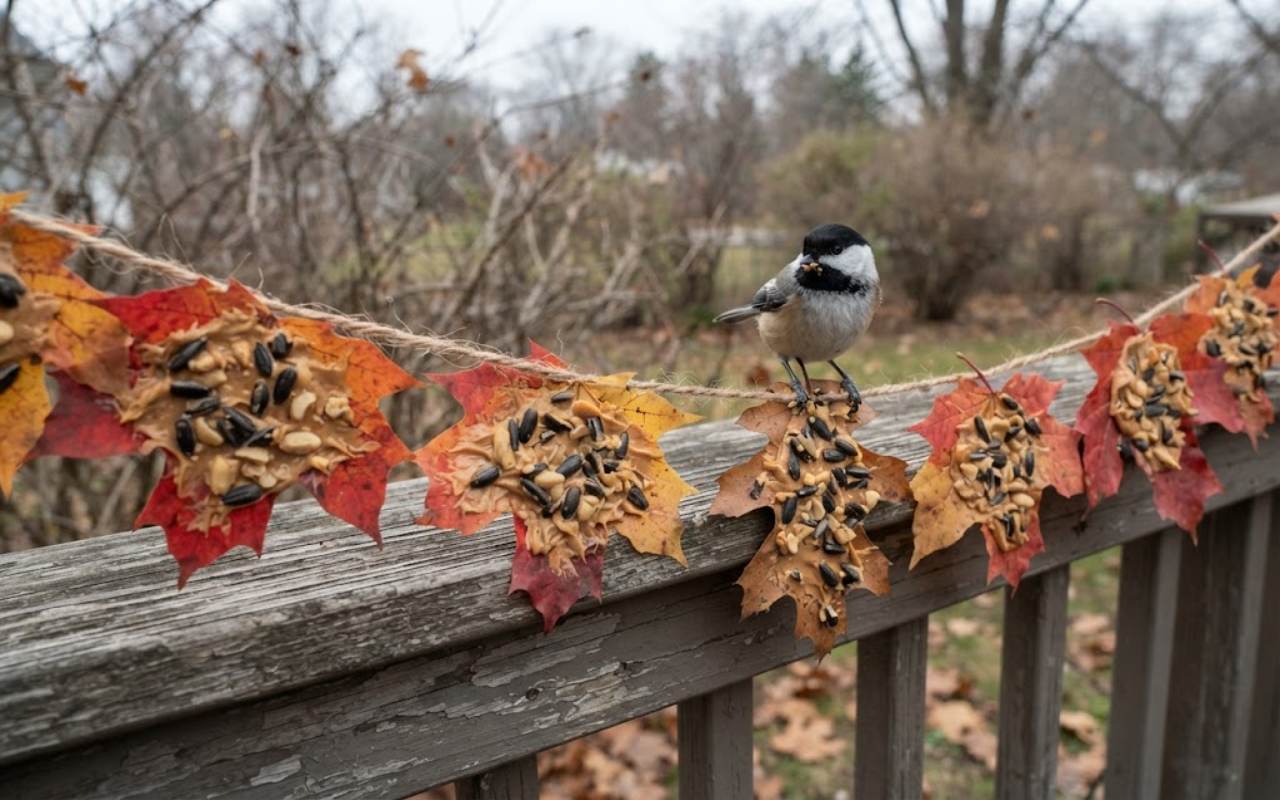
Crafting a treat-filled fall leaf garland for bird watching is an exceptional way to combine seasonal yard decor with supplementary nutrition for migrating and overwintering wild birds. While popular craft blogs often showcase decorative strings laden with sticky spreads and colorful foliage, outdoor hobbyists must balance aesthetic charm with rigorous avian health standards.
Discussions across backyard wildlife communities reveal that standard decorative projects often fail rapidly in the elements. By selecting bird-safe cordage, non-toxic foliage, and shelf-stable lipid sources, you can build an attractive yard display that feeds local songbirds without endangering their health.
Quick-Glance Field Summary
This field-tested yard garland provides dense autumn calories to backyard songbirds while preventing feather contamination and predator theft. Use weather-resistant natural cordage, cured native foliage, and dry lipid rations to ensure the installation remains sanitary through fluctuating fall temperatures.
- Base Cordage: 2-ply to 3-ply untreated natural jute or hemp twine, 1.5 mm to 2.0 mm diameter.
- Foliage Selection: Naturally air-dried native oak (Quercus), sugar maple (Acer saccharum), or beech (Fagus) leaves without synthetic sprays.
- Food Components: Raw in-shell peanuts, dried cranberries, whole rose hips, suet balls, and dry mealworms.
- Safe Suspension Clearance: Minimum 5 feet off the ground and at least 10 feet away from horizontal tree launch points.
- Window Safety Metric: Suspended within 3 feet of exterior windows, or placed beyond 30 feet to prevent strike collisions.
- Temperature Limits: Dispense suet and fat treats only when ambient outdoor temperatures remain below 50 degrees Fahrenheit.
Botanical Selection and Non-Toxic Leaf Curing Methods
Standard craft tutorials frequently suggest pressing autumn foliage using glycerin baths or acrylic sealants like Mod Podge to keep leaves pliable. On wildlife hobby forums such as r/backyardbirds, community members frequently warn that birds will peck directly at the foliage while foraging for adjacent treats.
Ingesting synthetic sealants, chemical waxes, or industrial craft glazes introduces severe gastrointestinal toxins to small passerines. Gather fresh, naturally shed leaves from chemical-free yard zones, prioritizing sturdy deciduous species such as white oak, red oak, sugar maple, and American beech.
Avoid leaves collected from roadside ditches where automotive exhaust deposits heavy metals and petroleum residues on the foliage surfaces. Discard any foliage showing signs of powdery mildew, tar spot fungus, or insect gall infestations.
To flatten and preserve the leaves without synthetic chemicals, press them between sheets of unbleached kraft paper beneath heavy books for four to six days.
This mechanical drying process removes moisture while keeping the structural matrix intact. Thoroughly dried leaves resist premature rot when exposed to damp autumn morning dew.
- Untreated native oak leaves provide thick cellular structures that do not tear during heavy winds.
- Sugar maple leaves supply vibrant natural pigmentation without any chemical dye additions.
- American beech foliage retains a warm bronze tone and holds a crisp edge throughout freezing spells.
Pressing foliage mechanically ensures that your display remains entirely non-toxic to visiting nuthatches, chickadees, and titmice.
| Garland Base Material | Physical / Structural Profile | Avian Safety Benefit | Primary Weather Risk |
|---|---|---|---|
| Fresh Oak/Maple Leaves | Thick, pliable broadleaves coated in raw peanut butter and pressed with seeds. | 100% biodegradable and compostable; introduces zero plastic debris to the yard. | Dries out, curls, and becomes brittle if exposed to prolonged freezing winds. |
| Dried Apple/Orange Slices | Dehydrated, leathery fruit rings threaded horizontally onto heavy twine. | Supplies vital natural fructose and fiber for fruit-eating winter migrants. | Absorbs atmospheric humidity rapidly, inviting mold blooms during rainy spells. |
Cordage Safety to Prevent Entanglement Hazards
String selection represents one of the most critical avian safety parameters in any hanging outdoor project. Community discussions on r/birdwatching regularly highlight the hidden dangers of monofilament fishing line, nylon wire, and synthetic yarn.
Synthetic fibers do not biodegrade, and their microscopic filaments can loop around avian toes, causing severe constriction injuries or death.
Always construct the garland spine using 100 percent natural, unbleached jute twine or twisted hemp cord. Natural plant fibers degrade organically over time and break under significant tension, preventing catastrophic snagging events.
If an aggressive crow or squirrel snags the line, natural jute yields and snaps before trapping a bird. Cut the overall garland into manageable sections between four and six feet in length rather than a single massive span.
Shorter segments reduce the sag factor and minimize the leverage that wind currents exert on the line. Knot each treat anchor point independently along the line using simple overhand knots spaced four to six inches apart.
- Untreated twisted jute twine provides excellent talon grip and safe, natural fiber composition.
- Two-millimeter hemp line offers high tensile strength against heavy rain without synthetic stretch.
- Pre-cut suspension lengths of five feet prevent wide lateral swings during high autumn wind gusts.
Using natural fibers guarantees that stray pieces carried off by foraging animals do not create hazardous nest-weaving material in future breeding cycles.
High-Lipid Food Threading and Moisture Degradation Controls
The most catastrophic error in feeder garland construction is smearing soft peanut butter or raw, unrendered fats directly onto leaves or pinecones during mild autumn days. Multiple posts on wildlife rehabilitation forums note that soft nut butters and raw suet smear onto avian faces and covert feathers.
Once oils penetrate plumage, feathers lose their interlocking barbule structure, destroying the bird’s waterproofing and causing fatal hypothermia during cold nights.
To completely eliminate feather fouling, outdoor hobbyists must choose their lipid sources based on strict thermal limits:
- Raw Fat and Pure Suet: Reserve raw butcher fat or pure rendered suet cakes exclusively for late autumn and winter when sustained ambient temperatures remain strictly below 50°F to prevent melting, rancidity, and oozing.
- Commercial No-Melt Doughs: For early autumn days when temperatures hover higher, utilize commercial No-Melt Suet Cakes or crumbled suet dough nuggets. Manufacturers like C&S Wild Bird Suet process these formulas with cornmeal or grain binders, allowing them to cleanly withstand temperatures up to 100°F—and specialized blends at Wild Birds Unlimited can resist melting up to 130°F without creating oily residues.
Moisture is another severe biological hazard during wet autumn cycles. Damp weather fuels the growth of Aspergillus flavus, a lethal mold species that produces carcinogenic aflatoxins in grains and nuts.
If a prolonged rainstorm saturates the garland, inspect every food station immediately and replace waterlogged items to prevent respiratory mycosis in visiting birds.
- Alternating dried berries with dense seed clusters keeps the garland visually balanced while delivering diverse nutritional profiles.
- Raw in-shell peanuts provide clean lipid reserves without exposing plumage to sticky residues.
- Dried unsweetened cranberries add natural antioxidants while resisting early rot in cold moisture.
- Dehydrated mealworms strung on fine floral wire loops offer protein for insectivores like kinglets.
- Commercial no-melt suet nuggets safely hold their shape and structure across highly volatile autumn temperature spikes.
Suspension Geometry and Yard Predator Exclusion
Where and how you hang the garland determines whether your yard hosts songbirds or becomes an uncontrolled buffet for local squirrels and rodents.
In residential wildlife threads, backyard hobbyists repeatedly complain that squirrels chew clean through horizontal garlands within minutes of installation. Horizontal branch-to-branch installations leave foraging treats fully vulnerable to climbing mammals.
To protect the garland, suspend it between free-standing metal poles equipped with smooth cylinder baffles placed at least four feet above ground level.
Ensure the span is placed at least ten feet away from tree trunks, low-hanging limbs, or deck railings that serve as launch points for grey squirrels. Hanging the line in a vertical drop or slight catenary curve discourages heavy rodents from walking the line.
Furthermore, outdoor decorators must incorporate Audubon window placement guidelines to avoid fatal window collisions. Garlands hung near structures must sit within 3 feet of the exterior glass, which prevents birds from gaining enough speed to sustain injury if startled.
Alternatively, place the entire garland installation beyond 30 feet from windows to allow ample flight clearance.
- Maintain a four-foot clearance zone above turf to keep ground predators from leaping toward foraging perches.
- Install hanging lines outside the ten-foot horizontal jumping radius of eastern grey squirrels.
- Position the display within 3 feet of windows or beyond 30 feet to mitigate flight collision hazards.
Configuring your suspension points with rigorous physical spacing keeps songbirds relaxed and foraging continuously without sudden ambushes.
Seasonal Maintenance and Safe Deconstruction Protocols
A decorative food garland requires active monitoring rather than a passive install-and-forget approach. Variable fall weather alternates between brisk, sunny afternoons and freezing, drenching rains, accelerating the decomposition of perishable components.
Field ornithologists recommend conducting a rapid physical inspection of all outdoor treat displays every three to four days. Check the structural knots along the natural jute cord to confirm they remain firm and free of fraying.
Discard any items that exhibit fuzzy gray mold, strange discoloration, or sour odors. If nocturnal raccoons or opossums raid the lower sections, untie those damaged portions and reposition the remaining segments higher up the support poles.
When winter storms arrive with heavy snow or persistent sleet, dismantle the garland entirely to prevent mold accumulation. Compost the weathered leaves and clean out any unconsumed, water-damaged food matter.
If intact suet or nuts remain, transfer them directly to shielded hopper feeders to ensure your local flock continues receiving critical winter fuel.
- Conduct visual mold checks every 72 hours, particularly after dense fog or heavy rainfall.
- Remove damp or discolored dried fruits to halt the spread of bacterial and fungal pathogens.
- Compost used jute twine and weathered foliage at the end of the season to eliminate yard debris.
Disciplined seasonal monitoring ensures your creative project delivers vital nourishment to local wildlife throughout the entire autumn migration corridor.