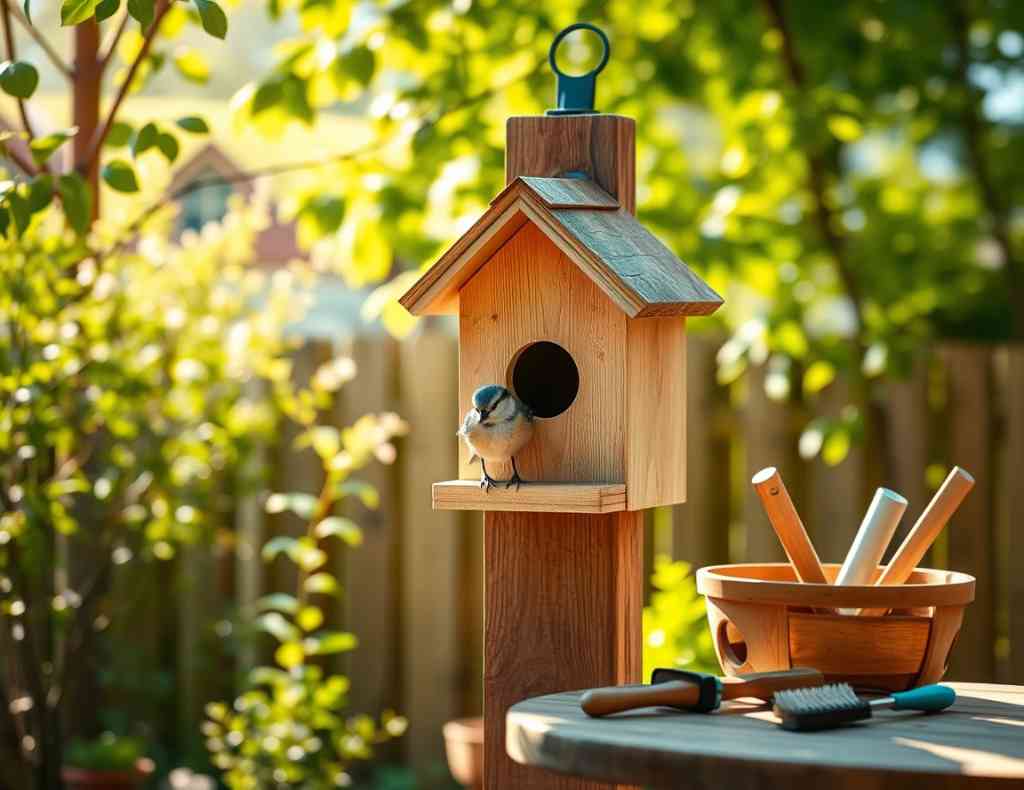
So, you finally put up a birdhouse. Nice! But before you kick back with binoculars and a cup of coffee, let me ask you this: When was the last time you cleaned it? If your answer is, “Wait… you’re supposed to clean them?”, we need to talk. And if you’re already maintaining your birdhouses like a pro, stick around anyway. You might still be making a few classic mistakes (yeah, even the seasoned bird nerds slip up now and then).
In this guide, I’m breaking down the do’s and don’ts of birdhouse maintenance in a no-nonsense, friendly way. Whether you’ve got wrens, chickadees, or the occasional squirrel squatter, this stuff matters.
Let’s jump in, and no, I won’t say we’re “diving into” anything. 🙂
Why Birdhouse Maintenance Even Matters
Ever wonder why birds seem to check out your birdhouse like it’s a fixer-upper from 1983? Here’s the deal:
Clean, well-placed, and secure birdhouses are more likely to attract healthy birds. And yes, neglecting maintenance can lead to disease, mites, abandoned nests, or worse, a no-show bird season.
FYI: Birds are picky. They don’t want to raise their young in a moldy, tilted box full of last year’s feathers and… stuff.
✅ Do: Clean Out Old Nesting Material
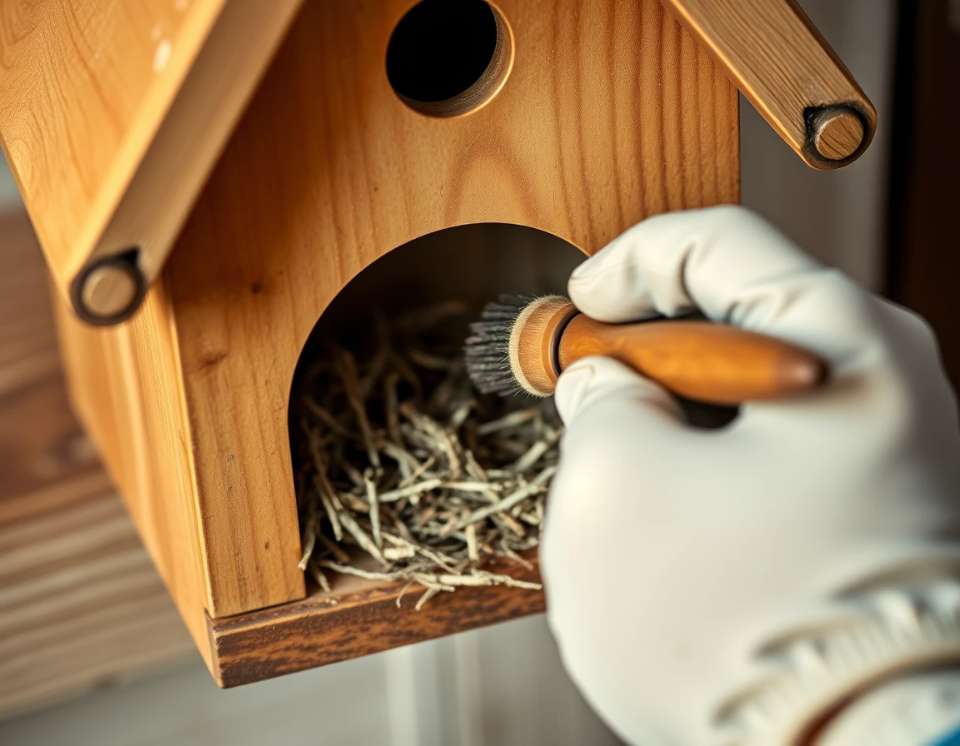
When? Ideally, after each brood fledges. At the very least, once in late fall and again before spring.
How?
- Remove the front or top panel (most birdhouses are designed to open)
- Use gloves and a scraper to remove old nesting material
- Spray a solution of 1 part bleach to 9 parts water
- Let it dry completely before sealing it back up
Why?
Leftover nests can harbor parasites, mites, mold, and bacteria. It’s like leaving dirty diapers in a crib. Not exactly five-star nesting conditions.
Ever opened a birdhouse in spring and got hit with a smell that could knock over a vulture? Yeah. Clean it.
❌ Don’t: Use Pesticides or Harsh Cleaners
Tempted to blast that wasp nest inside with Raid? Don’t. Even residual chemicals can harm or repel birds.
Instead, rely on manual removal and that bleach-water mix. Rinse well and let everything dry. If you’ve got a wasp problem, consider rubbing a bar of dry soap inside the roof, they hate it. Weird, but it works.
✅ Do: Check for Damage Regularly
Weather and wildlife wear down even the best-built birdhouses. Make it a habit to inspect your setup every season.
Look for:
- Loose screws or warped panels
- Cracks in the roof or floor
- Rusty nails or sharp edges
- Wobbly mounting poles or branches
Fix small issues before they become big ones. That birdhouse might look rustic to you, but to a bird, it’s a deathtrap with a charming paint job.
❌ Don’t: Leave It Up Year-Round Without Inspection
Some folks install a birdhouse and just… never touch it again. Big nope.
Birdhouses aren’t “set it and forget it.” They need to be monitored, especially after storms, winter freezes, or a surprise raccoon visit.
If you’re taking it down for winter, store it in a dry shed and clean it before putting it back up.
✅ Do: Secure It Properly
You wouldn’t want your bedroom hanging off a branch in 40mph wind, would you? Neither do birds.
Make sure it’s mounted solidly.
Options:
- Metal or wooden pole with a baffle (helps keep predators out)
- Securely fastened to a post or tree trunk (less ideal due to predator access)
Bonus tip: Always place the entrance away from prevailing winds. That’s just good real estate planning.
❌ Don’t: Place Birdhouses Too Close Together
Birds can be territorial little fluffballs. Spacing birdhouses too closely invites turf wars.
General rule of thumb:
- Wrens: 100 feet apart
- Bluebirds: 300 feet apart
- Chickadees: 600 feet or more
Crowding birdhouses is like setting up three Airbnbs on the same block, someone’s bound to start squawking.
✅ Do: Use the Right Size for the Right Bird
Size matters. At least when it comes to the entrance hole and the overall dimensions.
Examples:
- Chickadees: 1 1/8″ entrance, 8″ high interior
- Wrens: 1″ entrance, 6″ deep box
- Bluebirds: 1 1/2″ entrance, 10″ deep box
A hole that’s too big invites predators or starlings. Too small? Your feathered friends won’t even knock.
I once saw a squirrel squeeze into a box meant for chickadees. He looked proud. The chickadees were not amused.
❌ Don’t: Paint the Inside
That fancy paint job might look cute, but don’t paint or stain the inside. Even low-VOC paint can off-gas chemicals.
Plus, birds prefer natural interiors. It helps them grip and insulates better. If you want to decorate, stick to the outside, and keep the colors neutral or natural.
Avoid: bright reds, blues, or metallics. It’s not a fashion contest.
✅ Do: Add Drainage and Ventilation
If your birdhouse holds water like a bucket or turns into a sauna by noon, it’s doing more harm than good.
Must-haves:
- Ventilation holes near the roof (at least two)
- Drainage holes in the floor (at least four)
Pro tip: Slightly tilt the birdhouse forward, so rain doesn’t sit near the entrance.
❌ Don’t: Forget to Record What You See
This one’s optional but fun: Keep a birdhouse log.
- Who nested and when?
- How many chicks fledged?
- Any funny behavior or squabbles?
IMO, this helps you see what’s working and what needs fixing. Plus, bragging rights when your bluebirds return year after year. 😉
✅ Do: Keep Predators in Mind
You’re not just making a cozy nest, you’re also designing a fortress.
Ways to protect your birds:
- Install predator guards around the pole or on the hole
- Avoid perches (they help predators, not birds)
- Keep the entrance small and species-specific
FYI: Snakes, raccoons, and even house cats can and will raid birdhouses.
Final Thoughts: Show That Birdhouse Some Love
Birdhouses aren’t lawn ornaments. They’re real estate for real wildlife. And like any good landlord, you’ve got to keep things safe, clean, and up to code.
So if you’ve been ignoring that tilted, crusty box in your yard, maybe today’s the day you give it a little TLC. Clean it out, check the screws, and maybe log who moves in next.
Because hey, when that first baby bird peeks out, all fluffy and confused? Totally worth it.