
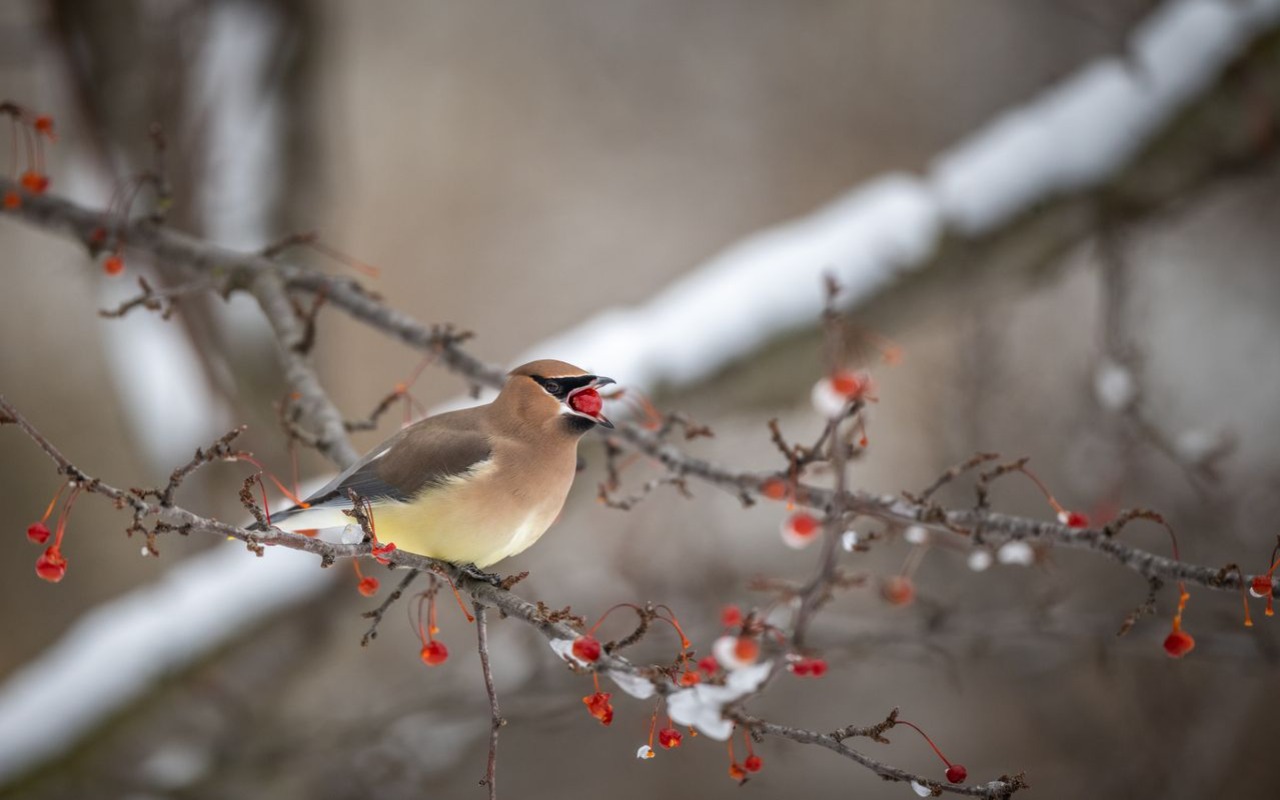
Selecting the best shrub varieties for planting fall berries for birds requires understanding avian migration energetics and lipid chemistry. Many homeowners plant ornamental nursery stock only to find that the fruits drop prematurely or lack caloric value. Balancing high-fat autumn forage with cold-hardy persistence ensures your backyard habitat functions as a high-octane fueling station.
Avian feeding patterns shift dramatically from insectivory to frugivory as temperatures plummet and insect biomass crashes. Migratory thrushes, catbirds, and warblers actively seek out native fruits loaded with dense lipids to double their flight fat reserves. Designing a resilient layout means selecting native shrubs that produce targeted nutritional profiles while tolerating local soil dynamics.
Quick-Glance Field Summary
Selecting the right fall berry shrubs depends on matching avian lipid requirements with precise plant genetics and cross-pollination timing. Prioritize native species with high fat and carbohydrate yields, verify male-to-female planting ratios, and protect root flares during establishment.
- High-Lipid Migration Fuel: Northern Bayberry (Myrica pensylvanica), Spicebush (Lindera benzoin), Gray Dogwood (Cornus racemosa)
- High-Sugar Winter Persistence: American Winterberry (Ilex verticillata), Black Chokeberry (Aronia melanocarpa), American Beautyberry (Callicarpa americana)
- Pollination Ratio: Minimum 1 male per 5 to 10 female dioecious plants within a 40-foot radius
- Physical Protection: 0.25-inch galvanized wire mesh cylinders 4 to 5 feet high for deer and rodent exclusion
- Planting Depth: Root flare positioned exactly 1 inch above finished grade to prevent collar rot
Lipid Density and the Autumn Avian Caloric Fuel Window
Field ornithologists categorize fall fruits into two distinct physiological classes: high-lipid autumn fuels and high-sugar winter reserves. High-lipid fruits degrade quickly after frost, which means birds must consume them immediately upon ripening in September and October.
In forum communities like r/nativeplantgardening, hobbyists frequently observe that Spicebush (Lindera benzoin) and Gray Dogwood (Cornus racemosa) are stripped clean in a matter of days by migrating Veeries and Wood Thrushes.
Spicebush drupes contain upwards of 30 to 50 percent crude lipids by dry weight, making them equivalent to pure avian rocket fuel. This extreme fat content provides dense calories that songbirds rapidly metabolize into subcutaneous adipose tissue for overnight flights.
Gray dogwood produces white drupes on red pedicels that offer similarly elevated fat profiles, attracting catbirds, flickers, and bluebirds during peak migration. If your yard lacks these early-season, high-fat offerings, long-distance migrants will bypass your property entirely in favor of better-stocked corridors.
Planting these species in moist, partially shaded transition borders ensures fruit production aligns perfectly with local migration stopover windows. Maintain soil moisture throughout late summer so drupes reach full size and do not drop prematurely during drought spells.
Dioecious Pollination Pitfalls and Winterberry Sex Ratios
The most frustrating scenario documented across backyard bird forums involves planting American Winterberry (Ilex verticillata) shrubs that produce lush foliage but zero berries. Winterberry is strictly dioecious, meaning individual plants produce exclusively male or female flowers.
Reddit users regularly report buying solitary female cultivars such as ‘Winter Red’ or ‘Berry Poppins’ without realizing that fruit set is impossible without an appropriate male cultivar in the vicinity.
A single male shrub can pollinate up to ten female plants, but the bloom timing must synchronize perfectly. Early-blooming females require early-blooming males such as ‘Jim Dandy’. In contrast, late-blooming true Ilex verticillata selections like ‘Winter Red’ require a late-blooming male like ‘Southern Gentleman’.
However, heavy-fruiting hybrid varieties require distinct genetic lines: the popular cultivar ‘Sparkleberry’—a cross developed by the U.S. National Arboretum—demands the specialized hybrid male clone ‘Apollo’ as its specific pollinator to ensure matching bloom schedules and successful fruit set.
Placing the male within 40 feet of the females ensures native bees carry viable pollen across the entire grouping.
- Early Flowering Pairings: Pair female ‘Afterglow’ or ‘Red Sprite’ with male ‘Jim Dandy’
- Late Flowering Pairings: Pair female ‘Winter Red’ with male ‘Southern Gentleman’
- Hybrid Cultivar Pairings: Pair female ‘Sparkleberry’ with male ‘Apollo’
- Spatial Proximity: Plant the male within 30 to 40 feet of female groups, ideally upwind of prevailing seasonal breezes
- Canopy Sunlight: Provide at least six hours of direct sunlight to maximize bloom density and subsequent berry volume
Winterberry fruits hold exceptionally low fat content but remain packed with stable carbohydrates that do not spoil when frozen. Flocks of Eastern Bluebirds and Cedar Waxwings utilize these bright red berries as late-season emergency rations long after high-lipid dogwoods are completely depleted.
Moisture Tannins and Delayed-Consumption Survival Fruits
Many growers worry when their American Beautyberry (Callicarpa americana) and Black Chokeberry (Aronia melanocarpa) sit completely untouched through September and October. Forum contributors often assume their local bird populations dislike the shrubs, only to watch mockingbirds and robins descend on them in January.
This delayed consumption is driven by high astringency, dense tannins, and firm cellular structures that deter feeding until repeated freeze-thaw cycles break down chemical defenses. Black chokeberry fruits carry intense astringency due to polyphenolic compounds that preserve the fruit against fungal rot during wet autumn weather.
Repeated freezing ruptures these cell walls, which reduces astringent tannins and converts complex starches into readily digestible sugars. Birds deliberately leave chokeberries alone until late winter, treating the thick branches as a natural pantry during sub-freezing temperatures.
American beautyberry exhibits a similar retention pattern, holding purple fruit clusters tightly against the stem into December. These persistent berries serve as a buffer against starvation during deep snow cover when ground foraging is impossible.
Integrating high-tannin shrubs alongside high-lipid varieties provides an uninterrupted dietary bridge spanning from September migration to early March thaw.
Structural Canopy Architecture and Predator Exclusion Cages
Establishing fruit-bearing shrubs requires addressing intense pressure from whitetail deer, rabbits, and voles that strip bark and consume terminal fruiting buds. Multiple wildlife forum contributors detail complete crop failure caused by deer browsing fruit spurs off arrowwood viburnums (Viburnum dentatum) during late summer.
Young shrubs must be protected with physical hardware cages during their first three growing seasons to establish mature canopy architecture. Construct protective cylinders using 0.25-inch galvanized hardware cloth or 14-gauge welded wire fencing secured to steel T-posts.
The enclosure should reach at least 5 feet in height to prevent deer browsing and sit 3 inches below the soil line to block burrowing rodents. Removing this physical barrier too early allows herbivores to clip the very branches intended to hold fall berries.
Proper plant spacing directly influences predator avoidance for foraging songbirds. Dense, multi-stemmed shrubs like Arrowwood Viburnum and Staghorn Sumac (Rhus typhina) provide critical escape cover from neighborhood cats and Cooper’s Hawks.
Space shrubs 6 to 8 feet apart to allow full canopy expansion while maintaining a contiguous understory thicket that keeps feeding birds safe.
Soil Chemistry and Multi-Season Fruit Retention Strategies
Soil pH and fungal associations govern whether native shrubs absorb the micronutrients needed to produce heavy fall berry crops. Northern Bayberry (Myrica pensylvanica) thrives in lean, acidic, sandy soils due to actinorhizal root nodules that fix atmospheric nitrogen.
Trying to grow bayberry in heavily alkaline, compacted clay often leads to severe chlorosis, low flower count, and complete lack of waxy autumn berries. Yellow-rumped Warblers possess specialized digestive enzymes capable of breaking down the heavy wax coating on bayberry fruit, giving them an exclusive winter food supply.
For areas with heavy, acidic, damp soils, Buttonbush (Cephalanthus occidentalis) and Highbush Blueberry (Vaccinium corymbosum) produce superior yields and provide brilliant crimson fall foliage. Conduct a standardized core soil test before purchasing shrub stock to verify your baseline pH matches species requirements.
- Acidic Sand or Loam (pH 4.5 to 5.5): Northern Bayberry, Highbush Blueberry, Black Chokeberry
- Moist to Wet Neutral Soils (pH 6.0 to 7.0): Winterberry, Spicebush, Red Osier Dogwood (Cornus sericea)
- Well-Drained Alkaline Clay (pH 7.0 to 7.8): Staghorn Sumac, Arrowwood Viburnum, Fragrant Sumac (Rhus aromatica)
Avoid heavy applications of high-nitrogen synthetic fertilizers, which trigger rapid, leggy vegetative growth at the expense of blossom set and fruit density. Apply a 2-inch topdressing of shredded leaf mulch to preserve moisture, replicate natural woodland soil ecology, and supply slow-release nutrients.
Healthy shrubs grounded in compatible soil chemistry will reliably produce abundant berry yields for decades to come.