
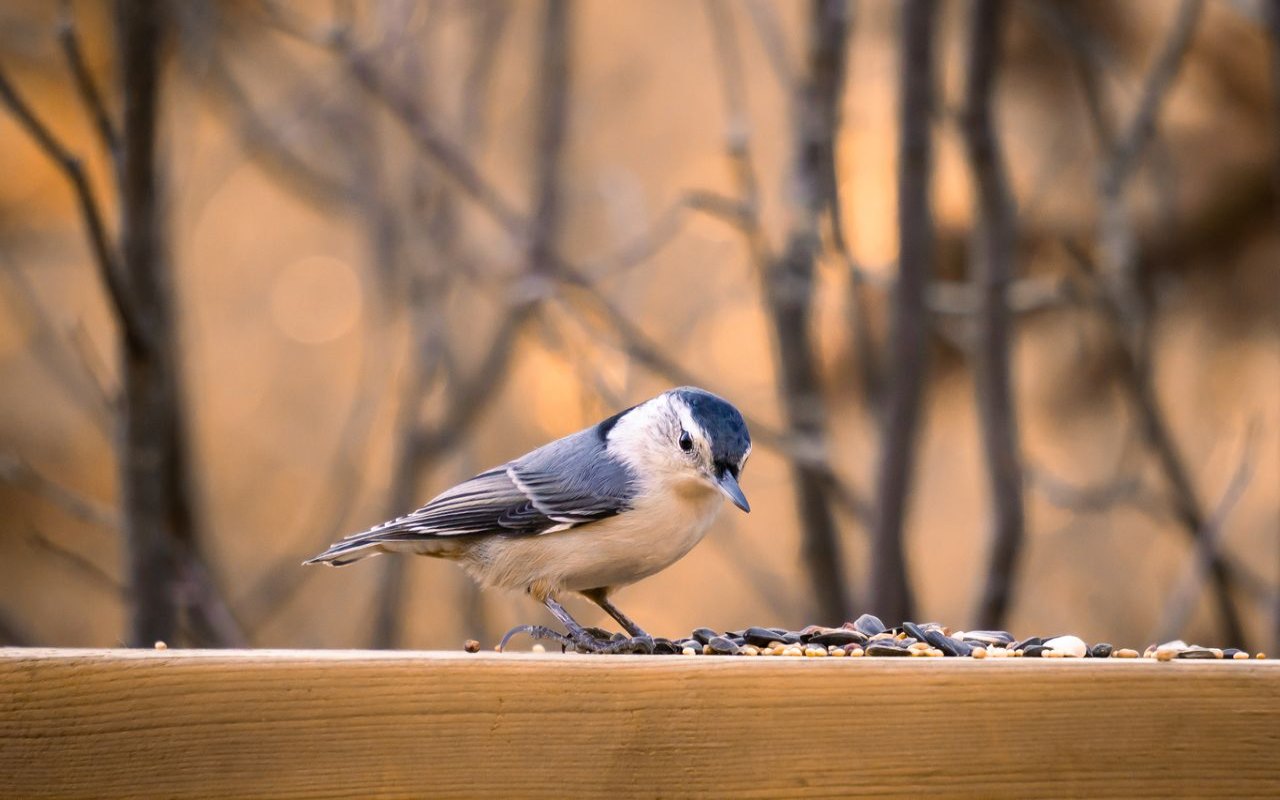
Finding the best fall bird seed blends to keep cold birds fed becomes a top priority as the first hard frosts sweep across your backyard. When temperatures drop, songbirds need calorie-dense foods to fuel their elevated metabolic rates and survive long, freezing nights.
Small backyard visitors like chickadees, titmice, and nuthatches cannot afford to waste energy foraging for empty fillers. Offering the right nutrient balance right now helps both migrating species and overwintering residents build crucial fat reserves.
Ditching the Filler Seeds and Focusing on Fat
Most bargain seed bags from the grocery store are stuffed with cheap ingredients that backyard birds simply toss onto the ground. Red milo, wheat, cracked corn, and oats look abundant in the clear plastic window, but northern songbirds consistently reject them.
These discarded grains end up rotting under your feeder, attracting rodents and harboring harmful ground bacteria. To make every ounce of food count, your fall blend should center on seeds with a high meat-to-shell ratio.
Fat is the primary currency of winter survival, providing more than twice the metabolic energy of carbohydrates per gram. Choosing clean, oil-rich seeds ensures your local flock spends less time searching and more time packing on calories.
- Black oil sunflower seeds provide a thin shell and a rich meat containing roughly 40 percent fat.
- Safflower seeds offer a thick white hull that squirrels avoid while cardinals and chickadees crack them with ease.
- Nyjer seeds, often called thistle, deliver concentrated oils for goldfinches and siskins when served in fine mesh feeders.
- Sunflower chips give birds instant access to high-fat hearts without forcing them to expend energy cracking outer hulls.
Shifting away from cheap commercial mixes reduces lawn debris and cuts down on wasted food. Watch your birds for a single afternoon, and you will notice they stop tossing seed aside once you remove filler grains.
Incorporating Peanuts and High-Calorie Suet
Peanuts are an absolute powerhouse for late autumn backyard birding. They pack substantial protein and fat into a single morsel, making them the favorite fuel source for jays, woodpeckers, and nuthatches. Many species will grab whole peanuts and stash them in tree crevices, creating natural winter larders they rely on during cold snaps.
Suet is another cold-weather essential that provides direct, digestible fat. Plain beef kidney tallow is ideal because it replicates the animal fats birds seek naturally from dead wood and dormant insects. As autumn temperatures dip consistently below 50 degrees Fahrenheit, suet holds its shape without turning rancid or coating birds’ feathers.
- Raw peanut splits offer immediate energy without shells taking up feeder space.
- Whole in-shell peanuts challenge larger corvids and encourage natural winter caching behaviors.
- Rendered beef tallow cakes supply dense fuel that keeps core body temperatures stable overnight.
- Peanut butter suet plugs fit into drilled log feeders, mimicking how nuthatches naturally feed on tree trunks.
If squirrels are an issue in your yard, try using hot pepper suet blends. Mammals possess receptors that make chili oil burn their mouths, while birds lack the receptors entirely and eat the suet without hesitation.
| Blend Formulation Type | Primary Oilseed Ingredients | Autumn Caloric Benefit | Target Avian Visitors |
|---|---|---|---|
| Premium No-Waste Shellless | Sunflower hearts, hulled peanuts, and split cashews. | Maximum efficiency; birds waste zero metabolic energy cracking open outer shells. | Chickadees, Finches, Nuthatches, and early Juncos. |
| High-Lipid Cardinal Blend | Black oil sunflower, striped sunflower, and pure safflower. | Dense oil content; safflower component acts as a natural shield against blackbirds. | Northern Cardinals, Rose-breasted Grosbeaks, and Titmice. |
| Ground-Forager Autumn Mix | White millet, sunflower chips, and fine cracked corn. | Provides stable ground nutrition, but requires strict tray containment to deter rodents. | Dark-eyed Juncos, Fox Sparrows, and Towhees. |
Beating Autumn Moisture and Feeder Clogging
Fall weather brings cold rains, morning frosts, and damp conditions that can quickly turn your feeders into messy clogs. When moisture penetrates traditional seed tubes, the mixture cakes together and blocks feeder ports. Even worse, damp conditions encourage the growth of Aspergillus mold, which produces airborne spores that cause fatal respiratory issues in wild birds.
Community birding groups frequently highlight the problem of soggy seed collecting at the bottom of hopper feeders. You can resolve this issue by ensuring all feeding stations have sufficient drainage holes along the floor. Adding a broad weather dome or baffle above your feeder keeps driving autumn rains from soaking the ports directly.
- Large polycarbonate weather baffles shield feeding ports from driving rain and sleet.
- Feeder trays with perforated metal mesh bottoms let rainwater drain straight through instead of pooling.
- Hopper feeders with removable floor panels simplify weekly checks for damp seed clumps.
If you notice seed clumping or developing a musty, sour smell, dump the contents immediately. Birds will ignore stale, waterlogged seed, and forcing them to forage through wet ports exposes them to illness.
Custom Blending Recipes for Cold Backyard Flocks
Mixing your own fall bird food takes only minutes and gives you complete control over ingredient quality. Commercial pre-mixed bags often skimp on premium nuts to keep wholesale costs low. By buying bulk components at an agricultural supply store or wild bird shop, you get fresher seed for less money over the entire season.
A reliable base recipe should cater to both clinging birds and platform feeders. Combining heavy oils with varied seed sizes ensures that small finches, sturdy woodpeckers, and ground-feeding native sparrows all get adequate nutrition.
- Fifty percent black oil sunflower seeds to serve as the core, all-around energy foundation.
- Twenty-five percent sunflower chips or hearts to minimize ground mess and speed up consumption.
- Fifteen percent shelled peanut pieces to attract woodpeckers, titmice, and white-breasted nuthatches.
- Ten percent safflower seed to add dietary variety while discouraging starlings and grackles.
Keep this customized mix stored in an airtight, metal container inside a shed or garage. Metal cans prevent mice and squirrels from chewing through plastic bins to reach your high-value winter seed stash.
Feeder Sanitation and Proper Storage in Damp Weather
Frequent feeding station maintenance becomes crucial as fall bird traffic increases around your yard. Flocks congregate closely during chilly mornings, which makes the transmission of avian diseases like salmonellosis or mycoplasmal conjunctivitis far more likely. A clean feeding station protects your backyard regulars and keeps visiting migrants healthy.
Plan to clean your feeders thoroughly every two weeks during the autumn months. The Cornell Lab of Ornithology recommends washing feeders with warm, soapy water, followed by an immersion soak in a nine-to-one water-to-bleach solution. Rinse every piece completely with fresh water and let everything dry in the sun before refilling with fresh seed.
- Unscented liquid dish soap removes built-up oils and bird droppings from perches and outer shells.
- A ten percent household bleach solution sanitizes all surfaces against lurking viruses and bacteria.
- Long tube brushes scrub out deep seed ports and internal feeder corners where damp dust gathers.
Check the ground beneath your stations regularly and rake up damp seed hulls that collect in thick mats. Damp piles of spent shells suffocate your lawn and harbor mold spores that ground-foraging sparrows and juncos might ingest. Keeping the ground clear and the feeders packed with rich fats ensures your backyard birds stay warm and strong all season long.