
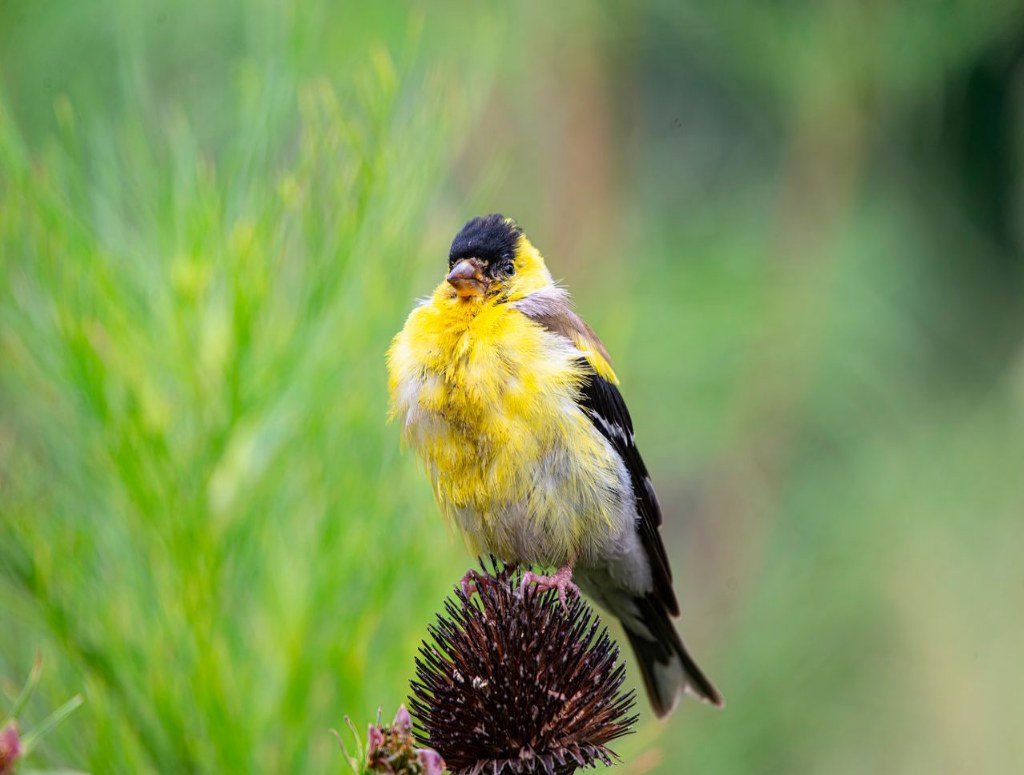
Understanding why gardeners should avoid cutting back perennial seed heads until spring arrives is one of the most effective ways to support local wildlife through the coldest months. Leaving dead stalks in place transforms an ordinary yard into an active winter sanctuary.
Traditional autumn garden cleanup often strips away critical resources that birds and beneficial insects require to survive severe weather. By letting perennials stand undisturbed, you preserve vital calories and microclimates when resources are scarce.
The Nutritional Value of Winter Perennial Seed Heads
Native perennials produce lipid-dense and carbohydrate-rich seeds that remain securely attached to drying seed heads through driving wind and heavy snow. These structures act as natural elevated feeding stations, preventing seeds from rotting in damp ground litter.
- Purple coneflower (Echinacea purpurea) offers rigid cones that withstand deep snow and provide dense carbohydrate stores.
- Black-eyed Susan (Rudbeckia fulgida) holds tightly clustered seeds that release gradually throughout freezing temperatures.
- Native sunflowers (Helianthus species) produce high-fat achenes essential for avian metabolic heat production.
- Blazing star (Liatris spicata) retains small nutlets along tall spikes that remain accessible above drifting snow.
Unlike loose seed scattered across the lawn, attached seed heads remain dry and resist dangerous fungal growth during winter thaw cycles. This steady food supply eliminates the foraging gaps that occur when human-maintained backyard feeders empty during severe storms.
Native Bird Species That Depend on Standing Seed Stems
Many backyard birds have specialized foraging mechanics specifically adapted to extract seed from rigid upright stems. American goldfinches, pine siskins, and dark-eyed juncos routinely visit undisturbed flower beds rather than relying exclusively on artificial feeders.
Native sparrows systematically search the ground beneath upright seed heads for fallen grains. Chickadees and titmice cling upside down to flexible flower stalks to reach seeds hidden within protective bracts.
- American Goldfinch (Spinus tristis), which balances on swaying stems to extract composite seeds.
- Dark-eyed Junco (Junco hyemalis), a ground gleaner that feeds on seed fall directly under standing plants.
- Tufted Titmouse (Baeolophus bicolor), which takes individual larger seeds to nearby tree branches to hammer open.
Maintaining natural foraging habitat reduces bird density at artificial feeding stations, which directly lowers disease transmission risks. Observing these wild foraging dynamics also offers rich, authentic opportunities for home birdwatching.
Insect Overwintering Shelters Inside Dried Plant Stalks
Standing perennial stems provide critical winter shelter for native solitary bees and beneficial predatory insects. Pithy and hollow stems house pupating larvae, adult beetles, and tiny parasitoid wasps that serve as natural garden pest controls.
Cutting down and discarding stalks in autumn systematically removes the foundational generation of pollinators needed for the following growing season. Invertebrates trapped in cut debris typically perish in compost piles or municipal waste facilities.
- Small carpenter bees (Ceratina species) hollow out the pithy centers of dried stems to excavate winter nest chambers.
- Predatory stem-nesting wasps pack chambers with garden pests before sealing them for spring emergence.
- Native lady beetles and lacewings tuck themselves beneath peeling bark and dried bracts for frost protection.
These dormant insects also act as an essential source of protein for resident woodpeckers and nuthatches during midwinter freezes. A structured garden bed functions as a complex, interconnected winter food web.
Thermal Cover and Snow Protection Across Winter Gardens
A dense framework of standing perennial stalks reduces wind speed across the surface of the soil. This structural network traps falling snow, creating an insulating blanket that protects delicate plant crowns and shallow roots from frost heaving.
Beneath this natural snow drift lies the subnivean zone, a stable microclimate where temperatures remain near freezing despite subzero surface winds. Ground-dwelling songbirds and overwintering invertebrates use this sheltered pocket to escape bitter weather.
Clearing flower beds leaves bare soil vulnerable to rapid freezing, erosion, and severe moisture depletion from winter winds. Retaining upright plant structure helps preserve vital soil moisture levels well into early spring.
Best Spring Timing and Techniques for Stalk Cleanup
Timing your spring cleanup correctly ensures that both emerging pollinators and foraging birds receive maximum benefit from the standing structure. Gardeners should wait until daytime temperatures consistently exceed fifty degrees Fahrenheit before removing dead stems.
This temperature benchmark gives overwintering bees and beneficial insects adequate thermal energy to emerge naturally from their winter chambers. Rushing into the garden during the first warm afternoon of March often interrupts this delicate emergence cycle.
- Cut stems cleanly at staggered heights between eight and twenty-four inches from the ground to create varied nesting sites.
- Bundle thicker stalks loosely and place them in an out-of-the-way garden corner rather than hauling them away.
- Avoid power shredding or bagging plant debris until late spring when pollinator activity is fully established.
The remaining stubble quickly hides beneath new spring foliage, providing continued nesting habitat without disrupting garden aesthetics. This simple seasonal shift preserves native wildlife while drastically reducing unnecessary autumn garden labor.