
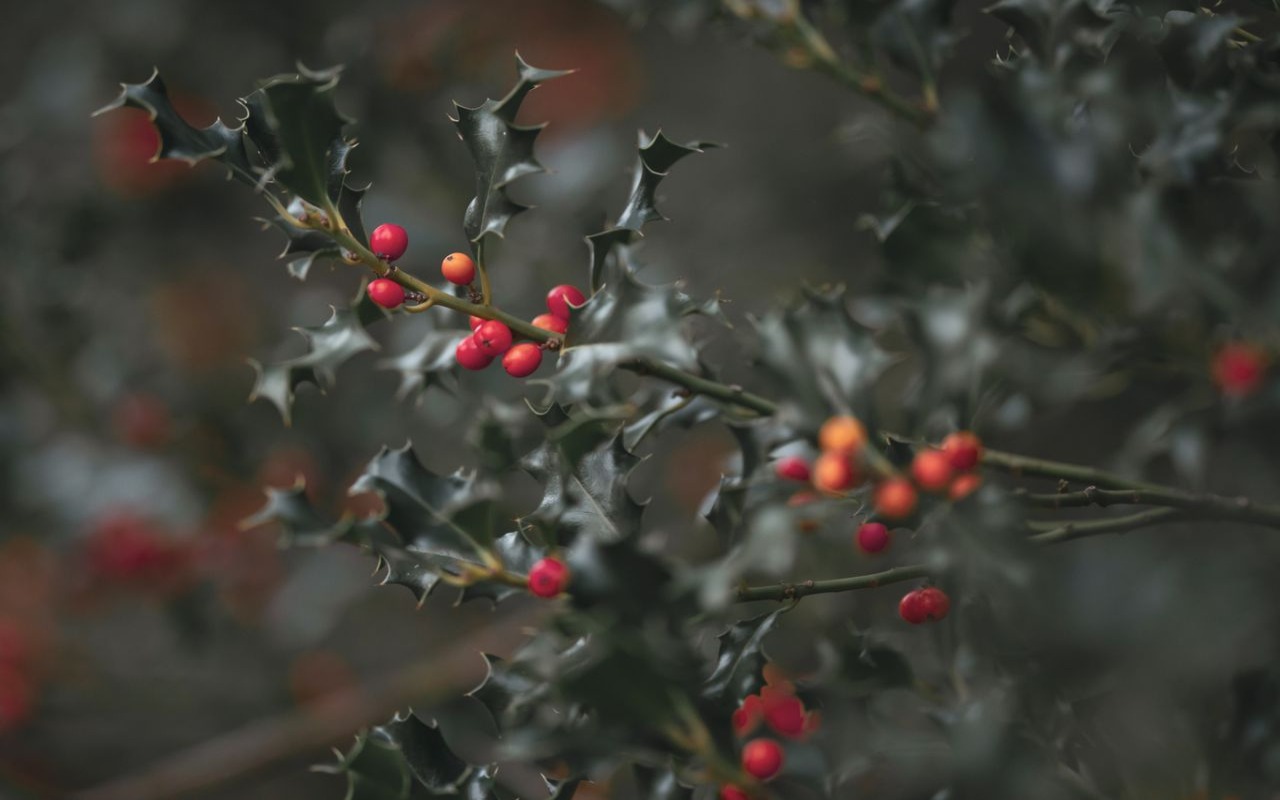
Many land managers recognize that planting native berry shrubs in late fall is the most effective way to establish long-term food resources for migratory and resident birds. While spring often receives attention for garden projects, autumn provides distinct environmental advantages that dramatically improve root establishment.
Cooler ambient air temperatures reduce thermal stress on the upper foliage while the soil remains warm enough to support vigorous underground growth. This strategic timing ensures shrubs are fully anchored and ready to produce robust fruit crops by the following breeding season.
Root System Dynamics in Cooling Fall Soils
Deciduous and evergreen shrubs enter systemic dormancy as daylight hours decrease in late autumn. Above-ground vegetative growth stops, which allows the plant to redirect all metabolic energy toward subterranean root development. Soil holds thermal energy far longer than the surrounding air, keeping the root zone active even after the first light frosts occur.
This late-season window offers several physiological advantages for woody plants:
- Root cell division continues until subterranean soil temperatures drop consistently below 40 degrees Fahrenheit.
- Energy reserves remain focused on mycorrhizal fungal integration and fibrous anchor roots rather than foliage production.
- Stored carbohydrates within the woody tissue supply continuous fuel without being depleted by new stem growth.
Because the plant does not need to sustain active leaf growth, it avoids the rapid cellular dehydration common in spring installations. By the time the ground freezes, the newly installed specimen has secured the hydraulic foundation needed for rapid spring emergence.
Native Berry Shrubs as Essential Winter Avian Fuel
During late autumn and throughout the winter, non-migratory and overwintering birds transition their diet from soft-bodied insects toward lipid-rich and carbohydrate-rich fruits. Species such as Cedar Waxwings, Eastern Bluebirds, and Northern Mockingbirds depend heavily on persistent fruits to maintain their core body temperature during sub-freezing nights.
Native shrubs have co-evolved alongside regional bird communities to deliver precisely timed nutritional profiles:
- High-lipid fruits supply dense caloric energy for species facing sustained thermodynamic demands during cold snaps.
- Carbohydrate-dense fruits persist later into mid-winter to provide emergency rations when snow cover blankets ground forage.
- Dense branching structures create sheltered microclimates that buffer songbirds against windchill and nocturnal predators.
Installing native specimens ensures birds access appropriate food profiles rather than invasive species fruits, which often contain lower concentrations of digestible fats. A well-placed cluster of native berry shrubs forms an indispensable habitat anchor within any suburban yard.
Moisture Retention and Reduced Transplant Stress in Fall
High ambient temperatures and intense solar radiation create extreme vapor pressure deficits during spring and summer plantings. In contrast, late fall weather features increased ambient humidity, lower evaporation rates, and frequent rainfall. These atmospheric conditions significantly lower the risk of post-planting desiccation.
Without leaves transpiring gallons of water into the atmosphere, the newly planted shrub experiences virtually zero moisture deficit. The surrounding soil remains reliably damp, enabling smooth capillary water movement into freshly disturbed root tissues. Gardeners spend far less time supplementary watering compared to plantings conducted in May or June.
When spring finally arrives, the shrub will already have access to early snowmelt and spring rains through an established root system. This preemptive root infrastructure eliminates the common midsummer stalling often seen in spring-planted nursery stock.
Optimal Berry Species Selection for Backyard Bird Conservation
Selecting the correct regional native species ensures maximum ecological benefit for target avian visitors. Wildlife biologists recommend utilizing species that offer distinct fruiting windows to support birds throughout the seasonal transition.
The following native woody plants offer superior nutritional value across various North American regions:
- Winterberry holly (Ilex verticillata): Retains bright red berries deep into the coldest months. Because these fruits are low in lipids and high in carbohydrates, they resist rotting on the branch, providing a critical late-winter survival ration for Hermit Thrushes and American Robins when other food sources are exhausted.
- American beautyberry (Callicarpa americana): Produces vibrant purple fruit clusters rich in moisture and carbohydrates, eagerly consumed by Northern Cardinals and Brown Thrashers during the late autumn months.
- Spicebush (Lindera benzoin): Yields lipid-dense red drupes that deliver the concentrated fat and caloric fuel necessary for fall-migrating thrushes and vireos prior to their long southward flights.
- Serviceberry (Amelanchier canadensis): Produces early-season summer fruit that feeds nesting adults and fledglings, while establishing deep, resilient root matrices when planted during fall installations.
Integrating both dioecious species like winterberry (which requires separate male and female plants) and self-fertile shrubs ensures successful cross-pollination and maximum seasonal fruit yields. Matching soil moisture conditions to the native habitat of each shrub species will guarantee vigorous long-term performance.
Proper Planting Protocols and Soil Preparation Guidelines
Proper installation technique is vital to maximize the structural stability and root expansion of late-fall plantings. Excavating an appropriately proportioned planting site prevents root spiraling and guarantees adequate oxygen diffusion throughout the root zone.
Field-tested planting standards require strict adherence to specific site parameters:
- Dig the planting hole two to three times wider than the root ball while matching the exact depth of the root flare.
- Keep native backfill unamended with excessive synthetic fertilizers to encourage roots to venture beyond the initial hole.
- Apply a 2- to 3-inch layer of coarse organic wood chips across the root zone, keeping the mulch 3 inches away from the trunk.
- Saturate the root zone immediately with 5 gallons of water to settle soil voids and eliminate air pockets.
Maintaining natural soil texture prevents the container effect, where water pools within overly amended holes during wet winter thaws. A properly positioned shrub will settle naturally, preserving the critical root flare at ground level for safe winter dormancy.