Learning the mechanics of cleaning feeders in freezing weather without using frozen hoses is essential for maintaining backyard flock health during the coldest months of the year. When temperatures plunge below freezing, exterior plumbing is typically shut off to prevent burst pipes, making standard outdoor washdowns impossible. Neglecting station hygiene during this period rapidly accelerates the spread of avian disease among birds congregating for survival.
Winter conditions force mixed flocks into close physical contact around high-energy food sources. Without regular intervention, salmonellosis, mycoplasmal conjunctivitis, and avian pox spread rapidly through shared contact surfaces and accumulated droppings. Implementing an efficient indoor cleaning protocol ensures wild birds remain protected throughout sub-freezing weather.
Winter Pathogen Dynamics at Backyard Feeder Stations
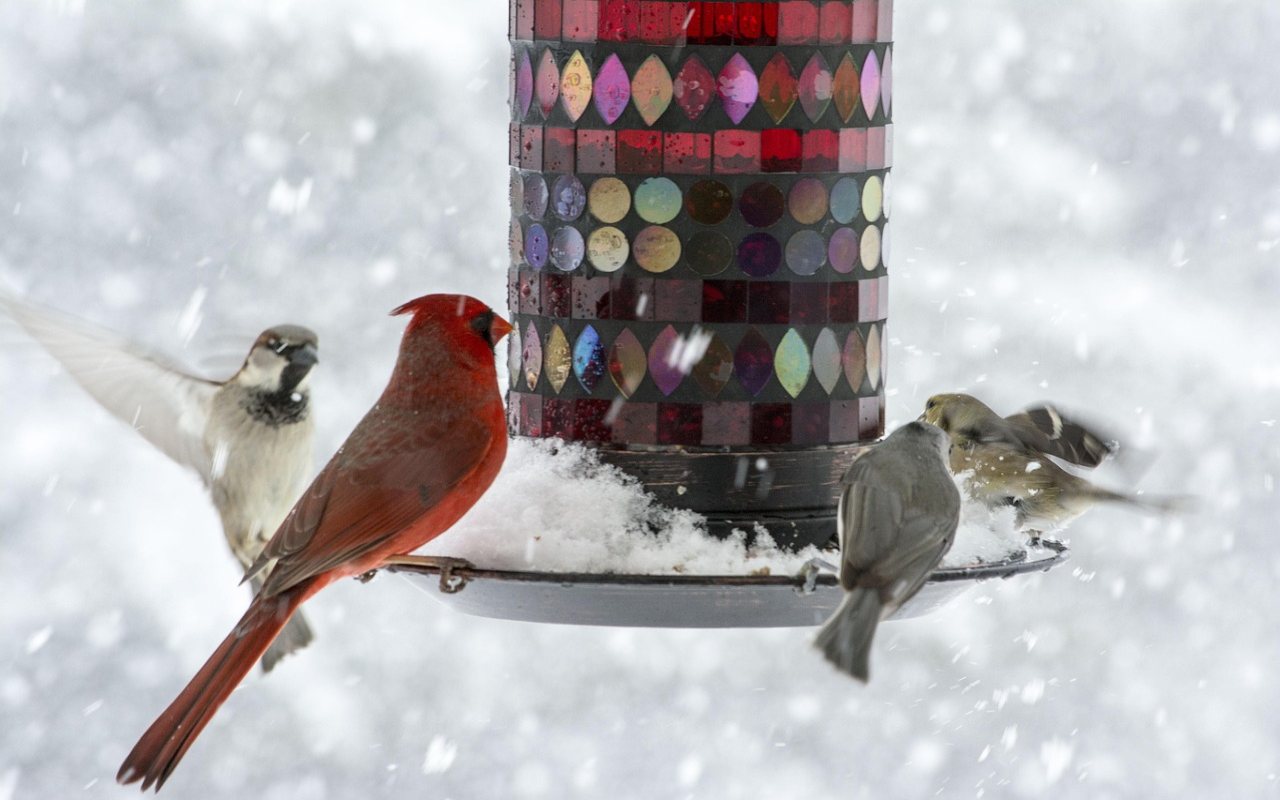
Cold weather does not eradicate bacterial or viral pathogens; in fact, low temperatures can preserve organisms like Salmonella enterica in organic matter. Gregarious winter flocking species, such as American Goldfinches, Pine Siskins, and Black-capped Chickadees, crowd perches and repeatedly brush against infected surfaces.
Moisture from snow and ice creates localized dampness inside feeding ports and collection trays. This dampness encourages mold growth, specifically Aspergillus fungi, which causes fatal respiratory infections when inhaled by foraging songbirds.
- Salmonellosis spreads through feces contaminating perches, seed ports, and ground debris.
- Mycoplasmal conjunctivitis causes severe eye swelling in finches and is easily spread on shared feeder edges.
- Aspergillosis develops in wet seed pockets that sit compacted in freezing temperatures.
- Avian pox viruses persist on perches, transferring through abrasions on bird feet and faces.
Routine biweekly disinfection breaks these transmission pathways before local winter populations suffer heavy mortality. Maintaining strict cleanliness is just as vital in January as it is during the warm spring breeding season.
Preparing Indoor Cleaning Basins and Water Solutions
Because outdoor spigots are winterized, the disinfection process must move inside to a utility sink, basement wash basin, or heavy-duty plastic tote. Never sanitize bird feeders in kitchen sinks or areas used for human food preparation due to the high risk of cross-contamination.
Gather your cleaning gear in a dedicated staging zone before bringing dirty hardware into the home. Dedicated storage bins keep contaminated equipment contained while transporting it from the yard.
- Stiff-bristled bottle brushes for narrow tubular plastic feeders.
- Old toothbrushes to scrub tight corners, perches, and feeding ports.
- Heavy-duty rubber gloves to protect skin from chemical solutions and pathogens.
- A five-gallon plastic bucket to serve as an indoor soaking vessel.
Empty all remaining seed directly into the household trash rather than scattering it on the ground. Decaying, contaminated feed discarded under snow creates a toxic feeding zone for ground foragers like Dark-eyed Juncos.
Safe Disinfectant Ratios and Scrubbing Protocols
The standard disinfectant recommended by wildlife rehabilitators and ornithologists is a mild chlorine bleach solution. Mix one part household chlorine bleach with nine parts warm water inside your five-gallon bucket or utility basin.
Crucial Material Exception: Chlorine bleach must never be used on feeders constructed from untreated wood. Because wood is highly porous, bleach cannot penetrate deep into the fibers to kill trapped pathogens, and the chemical structurally degrades the timber. For wooden setups, entirely skip the bleach step and submerge the components in a solution of one part distilled white vinegar to two parts warm water. Leaving wood to soak in vinegar for up to an hour ensures maximum organic sanitation without compromising the material.
For non-porous hardware, execute the following protocol:
Inspect and clear drainage holes: Use a toothpick or stiff wire to push out caked debris from the bottom tray.
Disassemble completely: Take apart all hoppers, perches, metal mesh panels, and seed bases.
Soak all non-porous components: Keep plastic, glass, or metal pieces submerged in the 1:9 bleach-to-water solution for ten full minutes to neutralize bacteria and viruses.
Scrub every surface vigorously: Strip away dried feces, sticky seed residue, and mold spores. Thorough mechanical scrubbing is mandatory because organic buildup shields pathogens from chemical sanitizers. Pay specific attention to perches where birds rest their feet and wipe their beaks.
Rinsing and Drying Methods Without Outdoor Hoses
Rinsing requires ample clean water to remove all traces of chemical residue, which can irritate avian eyes and mucous membranes. Use an indoor laundry faucet, a showerhead equipped with a handheld wand, or repeated immersions in fresh water buckets.
Thoroughly flush each component with warm tap water until no chlorine odor remains. Shaking excess water from the parts expedites the drying process and prevents moisture from lingering in hidden seams.
Feeders must be entirely dry before you refill them with seed. Introducing dry seed into a damp feeder creates a breeding ground for mold within forty-eight hours, undoing all your sanitation efforts. Place the disassembled parts on clean towels or a drying rack near an indoor heat vent to speed up complete evaporation.
Sanitizing Hardware and Ground Foraging Zones
Feeder hygiene extends beyond the immediate tube or hopper mechanism to include poles, baffles, and ground trays. Metal shepherd hooks and squirrel baffles accumulate droppings and should be wiped down with disinfectant wipes or warm soapy rags brought from inside.
The snow beneath hanging stations often conceals thick layers of discarded hulls and fecal matter. Ground-feeding species like Northern Cardinals and native sparrows continually sift through this debris, exposing themselves to illness.
- Shovel out contaminated snow and discarded hulls directly under feeding zones once per week.
- Scatter fresh, clean snow over the scraped area to dilute remaining surface pathogens.
- Move hanging poles five to ten feet horizontally if deep ground accumulation cannot be cleared.
- Rotate ground-tray placements to prevent birds from congregating over the exact same patch of soil.
Maintaining clean stations requires dedicated indoor effort during freezing weather, but the protection it affords winter birds is unmatched. Consistent disinfection keeps backyard feeding stations safe sanctuaries rather than vectors for avian disease.