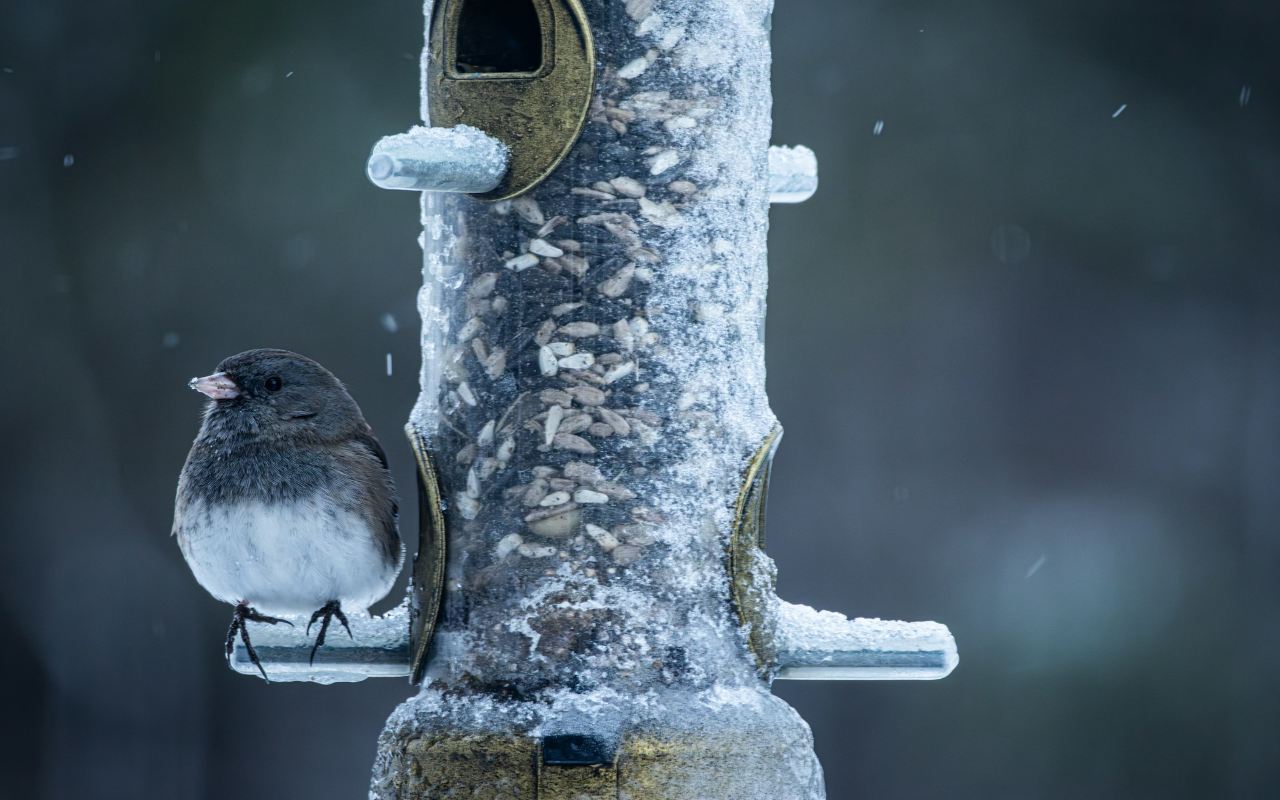
Mastering the trick to thawing frozen feeders outdoors without bringing them indoors is essential for maintaining a reliable winter food station for backyard birds. Bringing a frozen unit inside often causes rapid internal condensation, which quickly ruins seed and promotes harmful mold growth.
By treating the feeder directly on its hanging pole, you preserve seed viability and maintain continuous support for local wildlife. Small winter residents like chickadees, nuthatches, and goldfinches depend heavily on these high-energy calories during freezing spells.
Understanding Why Winter Moisture Freezes Feeder Mechanisms
Freezing rain, melting snow, and avian respiration often drive liquid water deep into the seams of outdoor feeding stations. When ambient temperatures drop overnight, this accumulated liquid expands rapidly within ports, perches, and dispenser trays.
Metal components and acrylic tubes transmit cold quickly, turning damp seed hulls into a solid, impenetrable mass. This ice lock blocks gravity-fed mechanisms, preventing clean seed flow to hungry birds.
Species in the family Paridae, including titmice and chickadees, cannot break through hard glaze ice with their small bills. Without intervention, accessible foraging stops entirely until a natural thaw occurs.
Safe Thermal Transfer Methods for Thawing Outdoor Feeders
The most effective approach relies on focused dry heat applied directly to the frozen joints of the feeder. Never pour boiling water onto cold plastic or glass cylinders, as the intense thermal shock can shatter the housing.
You can use several safe, field-tested heat sources directly at your outdoor station:
- Chemical hand warmers wrapped in cloth and held against frozen dispenser ports
- Refillable hot water bottles secured around the base of the hopper with elastic bands
- A battery-operated or extension-cord heat gun held at a minimum distance of twelve inches on its lowest setting
Applying gentle heat for three to five minutes softens internal ice bridges without melting structural plastic components. Once the frost loosens, gently tap the side of the reservoir with the palm of your hand to dislodge stuck seeds.
Essential Tools for Rapid Ice Removal at the Feeding Station
Carrying the right tools into your yard speeds up the clearing process and minimizes disturbance to the birds. Keep these field supplies organized in a small bucket for quick deployment during severe winter storms:
- A narrow wooden dowel or chopstick to free up jammed feeding ports
- Clean cotton hand towels to wipe away loosened slush and external meltwater
- A stiff-bristled nylon brush to sweep snow crust off lids and perches
- A spray bottle containing a safe cleaning solution of one part standard household bleach to nine parts water
Avoid using metal screwdrivers, knives, or ice picks against plastic feeding ports. Metal tools easily burr the edges of feeding apertures, creating sharp plastic shavings that can injure foraging finches and woodpeckers.
Once mechanical movement is restored, wipe every surface completely dry with your cotton towels. Leaving residual moisture behind guarantees that the feeding mechanism will refreeze within the hour.
Protecting Seed Quality and Bird Health During Freezing Weather
Ice dams inside feeding tubes often trap moisture within the bottom two inches of the seed column. Wet seeds quickly spoil, providing a fertile environment for dangerous fungal pathogens like Aspergillus.
Inspect the exposed seeds closely after clearing frozen debris from the feeding ports. If the food appears clumped, sour-smelling, or discolored, empty the compromised lower layer immediately before allowing birds to feed.
Maintaining sanitary conditions remains critical even in freezing conditions. Regular applications of the standard nine-to-one water-to-bleach solution during regular cleanings prevent cross-contamination among visiting flocks.
Preventative Feeder Modifications to Minimize Ice Accumulation
Modifying your equipment before winter weather arrives significantly reduces how often you face frozen dispensers. The most effective upgrade is installing a wide weather baffle directly above the station.
Consider these practical hardware adjustments to keep your feeders functioning smoothly in freezing conditions:
- Hang a polycarbonate weather dome measuring at least twelve to fourteen inches in diameter directly over the feeder roof
- Mount the entire feeder assembly at least five feet above ground level on a sturdy metal pole
- Apply pure food-grade mineral oil very lightly to exterior metal hinges and swivel points using a soft cloth
Clear baffles intercept falling freezing rain and heavy snow before moisture reaches vulnerable perches. In addition, providing clean, high-lipid foods such as black-oil sunflower seeds, shelled peanuts, and suet helps wild birds thrive through extreme cold.