
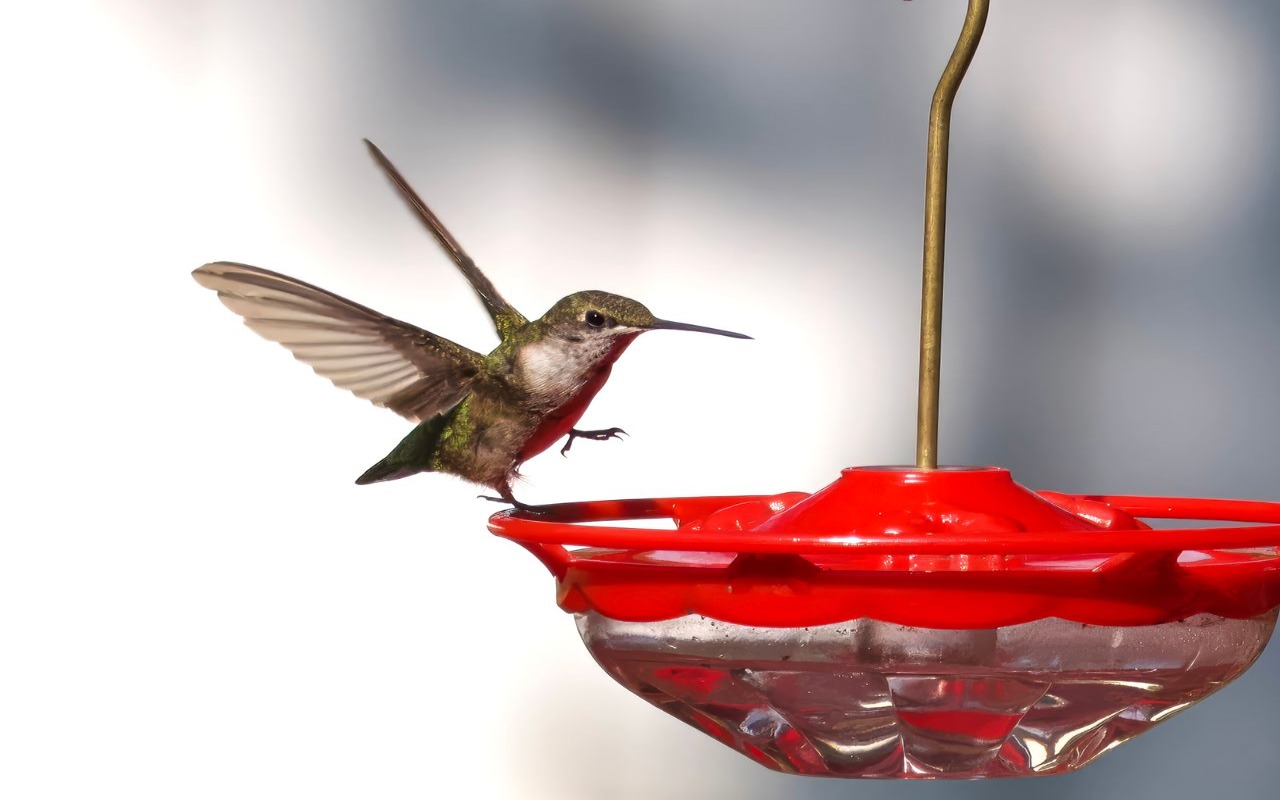
Learning the proper techniques for winterizing hummingbird feeder stations to stop nectar from freezing in late October is essential for supporting late migrants and hardy overwintering populations facing sub-freezing autumn cold snaps. A widespread backyard myth claims that leaving artificial nectar sources active late in the season delays or prevents hummingbirds from migrating.
In reality, bird migration is triggered by changing photoperiod rather than food availability, meaning an unfrozen feeder provides a lifesaving fuel depot for stragglers facing sudden temperature drops.
Late-season freezes can quickly lock access to liquid energy, stranding birds that rely on swift calorie replenishment after overnight hypothermic torpor. Implementing reliable, bird-safe thermal strategies ensures your backyard station remains an active sanctuary without relying on dangerous chemical additives.
Species Profile and Core Behavioral Differences
Late-season hummingbird activity in North America involves distinct species with drastically different physiological cold tolerances. Identifying the specific visitors frequenting your garden determines how aggressively you must manage freeze-prevention systems:
- Anna’s Hummingbird (Calypte anna) maintains permanent, year-round residency across the Pacific Northwest and coastal Alaska, relying on deep overnight torpor to drop its core body temperature down to 48 degrees Fahrenheit.
- Rufous Hummingbird (Selasphorus rufus) features exceptional cold endurance, occasionally lingering into late autumn along the Gulf Coast and eastern flyways far past typical departure schedules.
- Ruby-throated Hummingbird (Archilochus colubris) displays strict seasonal migration cues, with late October sightings typically representing sick, injured, or juvenile individuals desperately needing calories to sustain southern transit.
Unlike standard winter passerines that store subcutaneous fat through mixed seed, hummingbirds depend entirely on instant-energy liquid sucrose to recover from nightly hypometabolism. Denying them unfrozen nectar during an unexpected October cold snap can cause fatal starvation within hours of dawn.
Habitat Layout and Feeder Setup
Preventing ice accumulation begins by shielding the feeder from dominant autumn winds, convective heat loss, and radiant night sky cooling. Proper hardware selections protect the physical mechanics of the feeder while keeping the solution fluid:
- Commercial UL-listed incandescent feeder heaters drawing 7 to 15 watts provide steady thermal conduction directly beneath the glass or polycarbonate reservoir.
- Enclosed basin-style saucer feeders with bottom reservoirs outperform inverted gravity-tube models, as their compact geometry minimizes cold thermal bridging across narrow discharge ports.
- Traditional C7 or C9 incandescent outdoor holiday light strands wrapped safely around the reservoir base supply sufficient radiant heat without melting consumer-grade plastics.
Never use uninsulated heating pads, unregulated heat lamps, or chemical hand warmers taped to the reservoir. Improper localized thermal spikes can crack thick glass jars, warp plastic port threads, or burn visiting avian feet.
Structural Dimensions and Placement Guidelines
Structural placement dictates both thermal retention and avian collision safety around residential structures. Suspend your winter feeding gear according to strict architectural guidelines:
- Mount feeders within 3 feet of your home’s exterior glass or further than 30 feet away to completely eliminate fatal window strike velocity thresholds.
- Position hardware under deep southern-facing or eastern-facing eaves to capture morning solar radiation while blocking prevailing northern gale winds.
- Maintain an elevation between 4 and 6 feet above ground level to prevent opportunistic mammalian ambush from cats or rodents.
Suspending feeders under open sky without an overhead baffle accelerates radiative thermal loss, freezing nectar significantly faster than sheltered installations. Ground-level placement or mounting directly over dense, snow-trapping brush piles is strictly forbidden due to heightened predator ambush risks.
Nutritional Biochemistry and Feeding Protocols
Hummingbirds require pure, unadulterated simple sugars to sustain dynamic flight mechanics and rapid cellular oxidation. Ranking energy sources illustrates why artificial carbohydrate formulation must remain exact:
- Refined sucrose nectar (1:4 ratio) yields 100 percent dry-matter carbohydrates, 0 percent crude lipids, and 0 percent crude proteins, closely matching natural floral exudates for safe, long-term maintenance.
- High-density sucrose nectar (1:3 ratio) increases carbohydrate concentration to 25 percent, depressing the solution freezing point down to 27 degrees Fahrenheit while delivering rapid metabolic fuel during severe frosts. Note: Use this high-density mixture only as a temporary cold-snap fallback, as prolonged exclusive use can result in avian dehydration.
- Rendered suet matrices deliver over 60 percent crude lipids and 10 percent crude proteins, which support passerines but cannot be digested or physically ingested by hummingbirds.
- Black oil sunflower seeds provide roughly 40 percent crude lipids and 16 percent crude proteins, offering no biological utility to specialized nectarivorous bills.
Never mix honey, brown sugar, organic unrefined cane sugar, or artificial red dyes into cold-weather solutions. Honey fosters lethal tongue-paralyzing fungal infections; unrefined sugars contain toxic iron levels; and chemical dyes cause severe renal damage.anic unrefined cane sugar, or artificial red dyes into cold-weather solutions.Honey fosters lethal tongue-paralyzing fungal infections; unrefined sugars contain toxic iron levels; and chemical dyes cause severe renal damage.
Pest Mitigation and Sanitation Safeguards
Cold ambient autumn temperatures suppress rapid bacterial growth, but uncleaned feeders still harbor dangerous pathogenic loads. Evaluating common residential cleaning protocols reveals substantial differences in sanitizing efficacy and gear safety:
- A diluted 1:9 bleach-to-water solution ranks highest for complete bactericidal and fungicidal eradication, neutralizing Serratia marcescens and Candida albicans within a 10-minute plastic-safe cold water soak. Meticulous freshwater rinsing is mandatory to completely clear lingering chemical residues.
- Undiluted standard white vinegar (5 percent acetic acid) ranks second, providing an exceptionally safe acidifying wash that removes light mineral scale, mold, and pathogens within 30 minutes without pitting galvanized metals or producing toxic chlorine vapors.
- Boiling water flushes rank third, offering rapid physical heat sanitation for glass reservoirs, though thermal shock will crack thick glass or permanently warp acrylic components.
Thoroughly rinse all components with fresh water following sanitizing soaks to ensure zero chemical fumes persist around the perches. Maintain a rotation of two alternating feeders so a clean, room-temperature reservoir can immediately replace a chilled or frozen unit at dawn.