
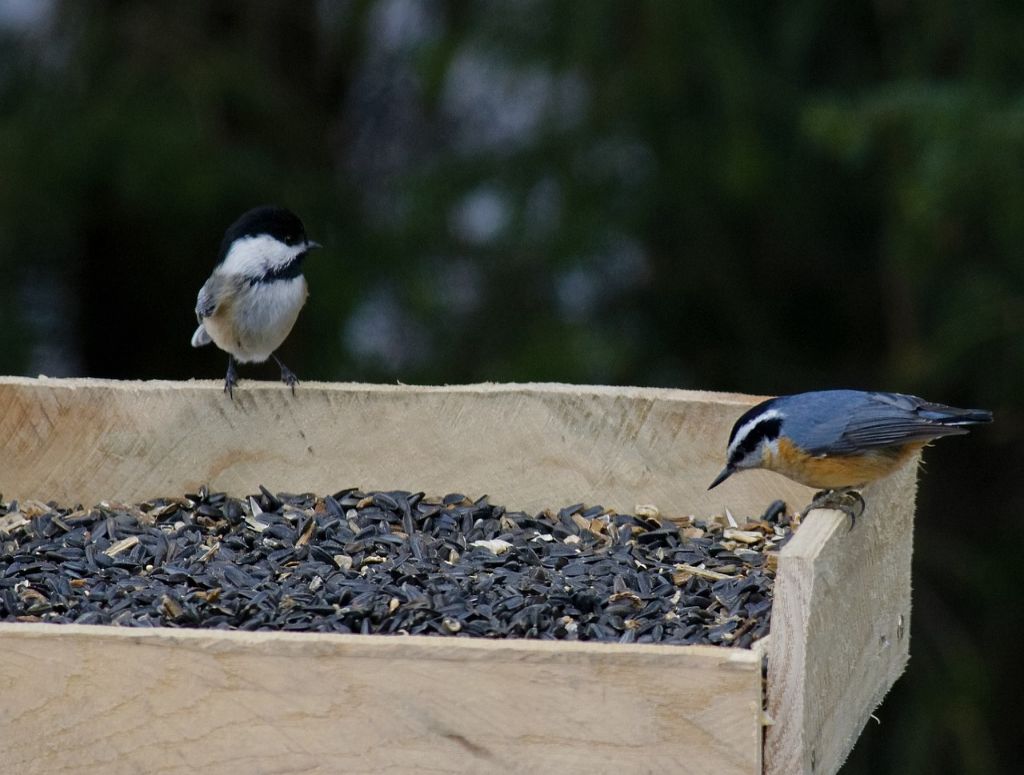
Observing mixed winter flocks moving through a backyard woodland offers a fascinating glimpse into avian cooperation. Small songbirds such as chickadees, titmice, and nuthatches regularly band together during the coldest months of the year. This multi-species alliance helps them overcome the challenges of short daylight hours, freezing temperatures, and scarce food.
By joining forces, these disparate species form an efficient unit that maximizes survival throughout the winter. Each species brings specialized skills that benefit the entire traveling party.
The Formation and Social Dynamics of Mixed Winter Flocks
In North American temperate forests, Black-capped Chickadees, Carolina Chickadees, or Mountain Chickadees serve as nuclear leaders. These vocal parids hold established territories and know the local geography intimately. Satellite species like nuthatches and woodpeckers shadow these leaders, relying on their movements to navigate the terrain.
The benefits of joining these mobile groups far outweigh the costs of social tolerance. Solitary birds face elevated risks from roving raptors and spend excessive time scanning for danger. Through association, satellite birds conserve vital caloric reserves and locate distributed food sources faster.
- Black-capped Chickadees provide navigational leadership and territorial familiarity.
- Tufted Titmice contribute high vigilance and loud warning sentry calls.
- White-breasted Nuthatches exploit bark crevices along main tree trunks.
- Red-breasted Nuthatches forage along upper conifer branches and outer cones.
Foraging Niche Partitioning Among Chickadees and Nuthatches
Mixed-species associations avoid internal conflict through a biological principle known as niche partitioning. Because each species exploits a distinct microhabitat within the forest canopy, they do not compete directly for the exact same seeds or overwintering arthropods.
This division of labor allows multiple insectivorous and granivorous birds to feed in close proximity without depleting a single food zone.
Chickadees excel at acrobatic feeding, often hanging upside down to glean dormant insect eggs and spiders from the undersides of outer twigs. Titmice focus their efforts on mid-story branches, caching larger nuts and hard-shelled seeds in furrowed bark.
Nuthatches possess powerful grips that allow them to climb headfirst down tree trunks, probing hidden beetles and larvae in crevices that upright foragers overlook.
Early Warning Systems and Titmice Alarm Vocalizations
Vigilance against predators represents one of the strongest evolutionary drivers behind these winter associations. A single pair of eyes cannot simultaneously scan the sky for Cooper’s Hawks while searching under loose bark for calories. In a large collective flock, the many-eyes hypothesis takes effect, drastically cutting the personal scanning time required of each individual bird.
Parids maintain complex vocal communication systems that convey specific details about immediate threats. Chickadees vary the number of end notes in their warning calls to signal the threat level of a perched raptor. Titmice produce high-frequency, thin alarm whistles that prompt the entire flock to freeze instantly in place or dive into dense cover.
Energy Conservation and Communal Winter Survival Tactics
Small passerines lose body heat rapidly during winter nights due to their high surface-area-to-volume ratios. Foraging in coordinated bands allows birds to meet daily caloric targets earlier in the afternoon. Securing food swiftly gives individuals sufficient time to find sheltered, energy-saving roosts before sunset.
Some species within these flocks seek natural cavities or woodpecker holes to conserve warmth. Nuthatches and chickadees frequently inspect tree cavities during their midday foraging rounds, identifying reliable shelter options well ahead of freezing twilight temperatures.
Backyard Feeder Management for Winter Foraging Guilds
Homeowners can support these hardworking winter groups by offering diverse, high-energy foods that accommodate different feeding styles. Providing multiple foraging stations reduces overcrowding and allows smaller flock members to feed safely.
- Black oil sunflower seeds deliver essential crude fat and protein.
- Raw suet cakes provide dense lipids during severe subzero cold snaps.
- Shelled peanuts cater to the caching behaviors of titmice and nuthatches.
- Tube feeders with short perches cater specifically to agile chickadees.
Feeder sanitation remains vital when hosting multiple species at a single feeding station. Backyard caretakers should thoroughly scrub seed basins every two weeks using a standard solution of one part household bleach to nine parts warm water. Rinsing thoroughly and allowing equipment to dry completely prevents the spread of pathogens among visiting winter birds.