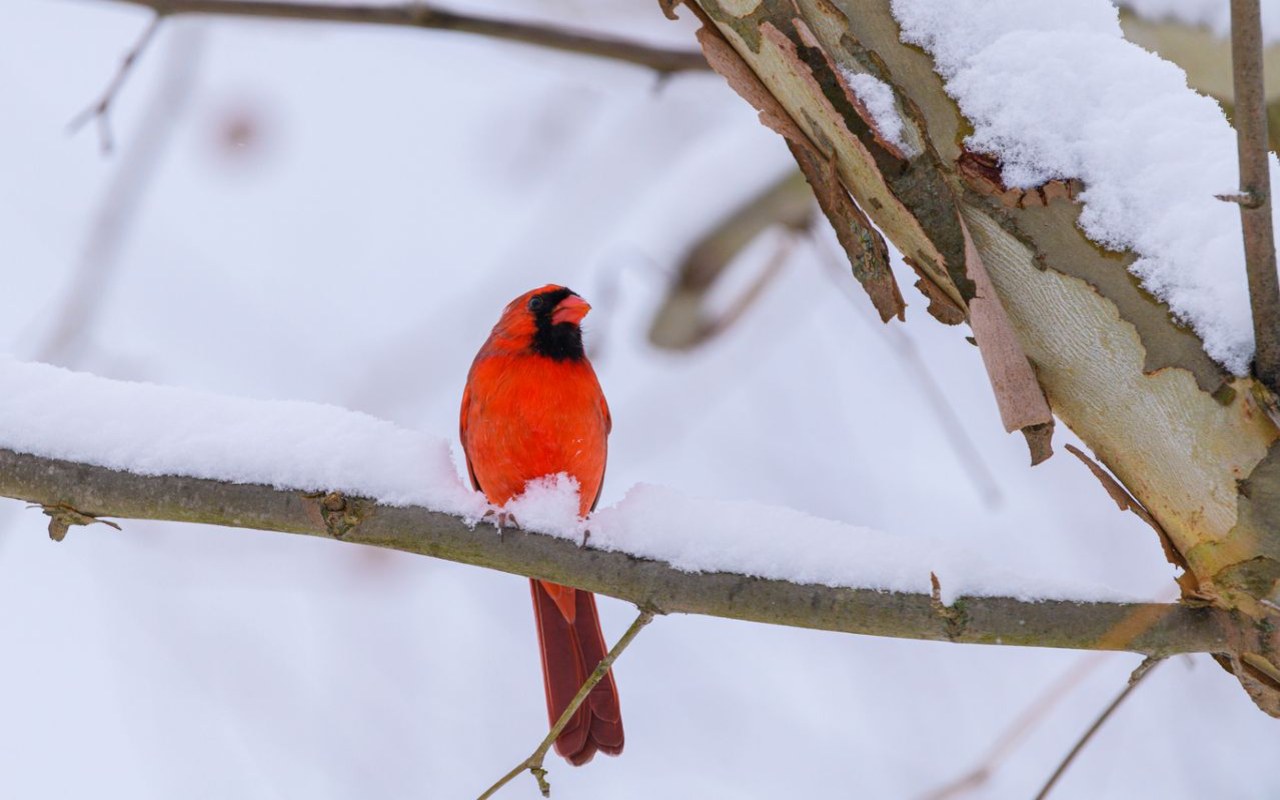
Observing how a cardinal visits in snow can evoke a profound sense of wonder during the coldest months of the year. The startling flash of crimson plumage against a monochrome landscape naturally draws human attention, inspiring reflection across centuries. This vivid visual contrast has given rise to profound folklore and spiritual interpretations alongside fascinating biological survival strategies.
For generations, observers have looked at these cold-hardy songbirds as carriers of deeper meaning rather than ordinary backyard visitors. Understanding both historical lore and the true ornithological realities of these sightings reveals why the experience remains so universally resonant.
Cultural Traditions and Folklore Surrounding Winter Cardinals
Indigenous traditions throughout North America frequently view the Northern Cardinal as a symbol of vitality, devotion, and good fortune. Certain Choctaw and Cherokee stories link the cardinal to relationships, sun-tracking, and seasonal transitions. Because these birds maintain pair bonds throughout the year, their joint appearance in winter often signifies enduring fidelity and domestic stability.
European settlers later adopted similar views, associating the bird with the ecclesiastical red robes of Roman Catholic cardinals. Over time, regional American folklore transformed the redbird into an omen of impending change or a harbinger of warmer days ahead. Seeing the bird brave harsh snowfall reinforced cultural associations with resilience and hope.
Spiritual Interpretations of Brilliant Snowbound Cardinals
In modern spiritual traditions, many people believe that a redbird appearing during a snowfall serves as a visitation from a deceased loved one. The common phrase stating that cardinals appear when angels are near originated from mid-twentieth-century bereavement literature and vernacular spirituality.
Snowfall dampens ambient sound, creating a tranquil environment where the sighting feels intensely intimate and comforting. Beyond grief and comfort, spiritual practitioners interpret the bird as an emblem of perseverance and inner warmth during life’s metaphorical winters.
The cardinal does not flee cold climates through migration, symbolizing personal endurance when external conditions become harsh. Many cultures associate these sightings with specific spiritual virtues:
- Encouragement to remain grounded during periods of emotional hardship
- Reassurance that personal connections endure beyond physical absence
- Motivation to maintain personal vibrancy during bleak or isolating seasons
These interpretive frameworks provide solace to people confronting grief or isolation. While science cannot measure spiritual sentiment, the psychological comfort derived from these peaceful moments remains undeniable.
Biological Realities of Northern Cardinal Winter Activity
From an ornithological perspective, cardinals do not migrate, remaining permanent residents across their eastern and central North American ranges. Their increased visibility against white landscapes is primarily an optical contrast rather than a sudden change in regional abundance.
In winter, deciduous trees drop their leaves, exposing the cardinal’s natural crimson feathers against the uniform white snow cover.Winter survival requires massive caloric intake because small passerines lose body heat rapidly during freezing nights.
Cardinals forage heavily at dawn and dusk, visiting open ground and feeding stations when temperatures are lowest. Scientific data from the Cornell Lab of Ornithology confirms that cardinals rely heavily on fat stores metabolized overnight, making daytime foraging a matter of urgent survival.
Essential Winter Nutrition and Backyard Seed Selection
Supporting these birds through severe winter weather requires understanding their specific dietary needs and anatomical limitations. Cardinals possess thick, conical bills engineered to crack heavy hulls and extract energy-dense seed hearts. Unlike agile finches, cardinals require broad, stable surfaces to balance comfortably while feeding.
Backyard stewards should offer nutrient-dense grains in platforms or wide hopper feeders rather than narrow hanging tubes:
- Black oil sunflower seeds containing high concentrations of essential lipids
- Safflower seeds that offer excellent crude fat while deterring squirrels
- Shelled peanuts offering immediate protein without demanding heavy hull cracking energy
Feeders should feature wide trays measuring at least eight to twelve inches across to accommodate the bird’s body size. Placing feeders within ten feet of dense evergreen shrubs provides immediate shelter from wind and predatory hawks.
Cold-Weather Habitat Stewardship and Water Management
Providing unfrozen water is just as critical for avian survival as offering calorie-rich seeds during freezing temperatures. Songbirds must drink daily and clean their feathers, as dirty plumage loses its insulating loft against bitter winds. An electric bird bath heater rated between 50 and 150 watts safely prevents ice formation without overheating the water.
Sanitation is vital when birds congregate in elevated numbers around limited winter resources. Backyard bird enthusiasts should clean seed platforms every two weeks to prevent fungal pathogens and avian diseases:
- Scrubbing all feeder basins with a solution of one part household bleach to nine parts warm water
- Rinsing equipment thoroughly with clean water until all chemical odor completely dissipates
- Allowing all components to air dry completely before refilling them with fresh seed
Maintaining a clean, safe habitat ensures that visiting cardinals thrive through the deepest winter freezes. Whether viewed through a spiritual lens or appreciated through scientific observation, a redbird in the snow remains a remarkable testament to life’s resilience.