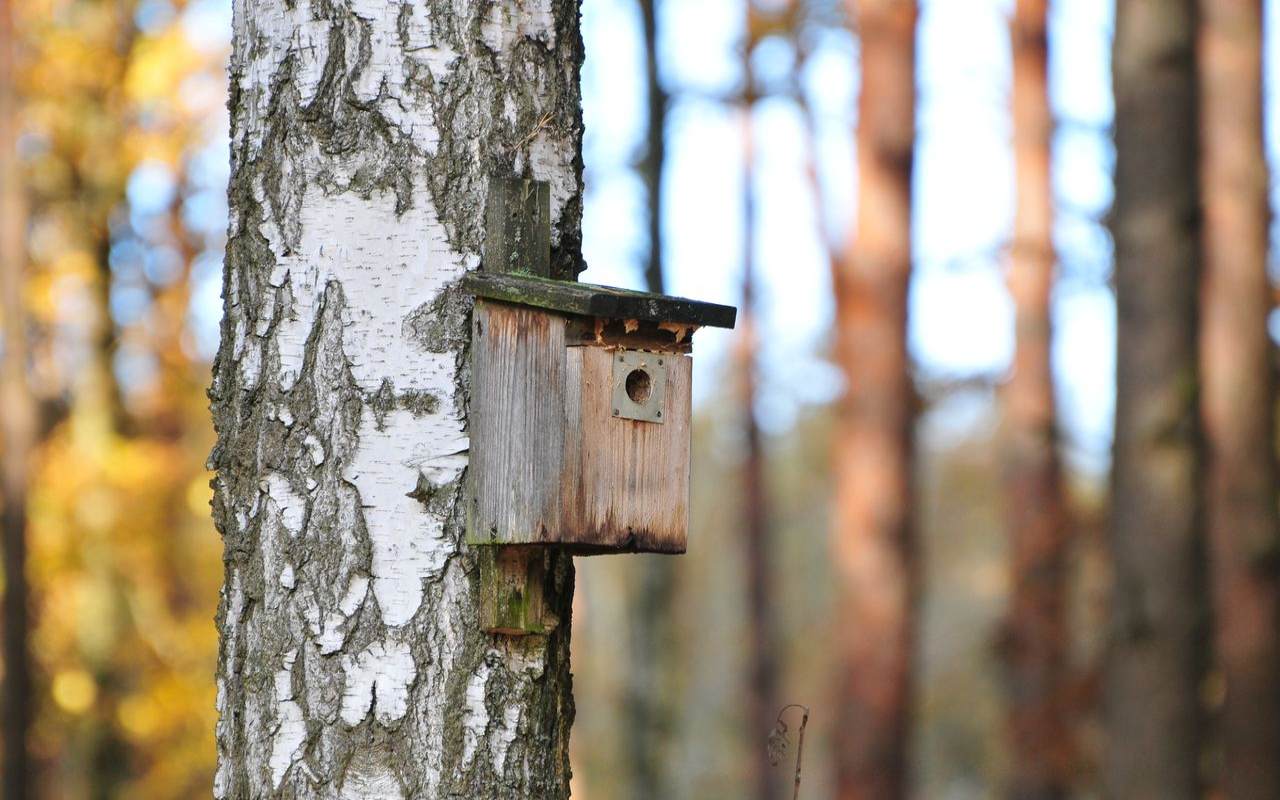
Learning why a birdhouse october cleanout is necessary is one of the most critical maintenance steps for any backyard bird steward. By early autumn, native cavity-nesting birds have completely concluded their final broods of the season. Leaving old, soiled nests intact creates a hazardous sanctuary where harmful pathogens and arthropods thrive through the winter.
Autumn temperature drops signal the ideal window to clear out residual organic debris before winter freezes the material solid. Taking action now ensures your backyard nest boxes provide clean, life-saving shelter rather than toxic traps.
The October Parasite Threat Inside Old Nest Material
Abandoned nests composed of twigs, dried grasses, pine needles, and animal fur accumulate significant biological waste over a breeding season. Fecal matter, unhatched egg fragments, and feather dander form a dense layer at the base of the cavity. This decaying foundation generates moisture, which invites opportunistic fungal spores and bacterial colonies.
Common ectoparasites rely on this protected sub-layer to survive between avian breeding cycles:
- Blowfly pupae awaiting spring emergence to parasitize new hatchlings
- Feather mites that degrade plumage and compromise avian thermoregulation
- Bird fleas that feed on host blood and overwinter in organic debris
- Ticks harboring bacteria that endanger developing nestlings
Without direct human intervention, these organisms remain sheltered inside the cavity walls. They readily emerge in the warm spring months to infest the very first clutch of eggs.
Disrupting the Life Cycles of Dormant Nest Box Pests
Parasites such as blowflies deposit larvae that feed directly on the blood of altricial nestlings. Severe infestations often lead to anemia, stunted growth, and elevated mortality rates in species like Eastern Bluebirds and Tree Swallows. Removing spent nesting material physically eliminates hundreds of pupae before they can mature.
October provides an optimal ecological buffer period for this deep cleaning routine. The breeding season has definitively ended across temperate zones, meaning you will not inadvertently disturb active late-season clutches. Furthermore, most adult parasites have entered an inactive or pupal state, making them far easier to discard completely.
Step-by-Step Sanitation to Clean Out Cavities Safely
Proper sanitation demands basic personal protective equipment to prevent the inhalation of airborne dust and dried droppings. Always wear durable work gloves and a well-fitted dust mask before opening any weathered nest box. Work on a calm day with minimal wind to avoid dispersing particulates into the surrounding air.
Prepare the following standard tools and materials before starting the cleaning process:
- Stiff-bristled scrub brush or paint scraper for stubborn debris
- Disinfecting solution mixed at a ratio of one part household bleach to nine parts hot water
- Clean bucket and natural sponge for washing internal walls
- Heavy-duty garbage bag for immediate waste containment
Scrape all packed nest matter straight into the garbage bag and seal it tightly for household trash disposal. Never compost old nesting material near your garden, as this allows parasites to migrate into nearby vegetation. Scrub the interior thoroughly with the diluted bleach solution, rinse with clear water, and leave the box open to dry in direct sunlight.
Fall Structural Inspections and Hardware Winterization
Once the interior surfaces are dry, inspect the structural integrity of the wooden panels. Check the drainage holes drilled into the floor corners to ensure they remain open and unclogged by organic muck. Adequate drainage prevents winter rain and meltwater from pooling inside the living quarters.
Key structural dimensions and hardware checks require careful evaluation:
- Entrance hole diameter verifying standard 1.5-inch sizing for bluebirds or 1.125-inch for chickadees
- Mounting pole stability anchored at a secure height of four to six feet above ground level
- Predator guard baffle positioning beneath the box to block climbing raccoons and snakes
- Hinge screws and latch closures tightened to prevent wind damage during winter storms
Wood that has warped or cracked should be repaired with non-toxic, exterior-grade wood glue or replaced entirely. Maintaining tight seams stops freezing winter drafts from chilling roosting birds.
Converting Clean Birdhouses Into Safe Winter Roosts
A clean, dry birdhouse serves an entirely new purpose as freezing temperatures descend across the landscape. Small songbirds, including Black-capped Chickadees, Tufted Titmice, and Nuthatches, regularly seek nighttime shelter in cavities to conserve vital body heat. A parasite-free box offers a safe refuge during severe winter weather events.
Some bird enthusiasts prefer to temporarily convert their standard nest boxes into dedicated winter roost boxes. You can achieve this by inverting the front panel if designed with an entrance hole near the bottom, which traps rising warm air. Alternatively, add a thin half-inch layer of clean wood shavings, avoiding cedar, across the floor to provide extra insulation.
By completing this vital maintenance in October, you protect local wildlife from debilitating parasites and provide essential winter survival shelters. Healthy, well-maintained boxes will be fresh, safe, and ready to welcome new breeding pairs when spring arrives.