
As the crisp autumn air moves in and the leaves start turning, backyard bird enthusiasts and homesteaders face a critical seasonal shift. If you want to transform your yard into a bustling wildlife sanctuary and keep your feathered friends thriving through the coming freeze, there is one non-negotiable change you must make to your feeding routine. You must switch your bird feeders to 100% Black Oil Sunflower Seeds starting every October.
While generic seed blends and striped sunflower seeds are fine for the easy summer months, October marks a drastic transition period for local wildlife. Making the switch to what experts call the “BOSS” (Black Oil Sunflower Seeds) is the single most effective way to help wild birds survive the harsh winter ahead.
Here is exactly why October is the mandatory deadline to upgrade your feed, and how it will completely revolutionize your backyard birdwatching experience.
1. The Ultimate High-Calorie Winter Fuel
As temperatures plummet, a wild bird’s primary daily mission shifts from finding a balanced diet to pure, unadulterated calorie consumption. Small backyard birds, like chickadees and finches, can lose up to 10% of their body weight overnight just trying to stay warm.
- The Oil Advantage: Unlike standard striped sunflower seeds, Black Oil Sunflower Seeds are packed with a significantly higher concentration of crude fat and essential oils.
- Insulation Boost: This extra fat is metabolized into metabolic heat, allowing birds to generate the energy required to survive freezing nighttime temperatures.
- Feather Health: The high oil content acts as a natural conditioner, creating glossy, robust feathers that insulate much better against damp, icy autumn rains.
2. Thinner Shells for Crucial Energy Conservation
In the chilly days of October, every ounce of energy a bird expends matters. Traditional striped sunflower seeds have thick, armor-like hulls that require significant effort and jaw strength to crack open.
Black oil sunflower seeds feature paper-thin hulls. This subtle physical difference has a massive impact on your local bird population:
| Seed Attribute | Striped Sunflower Seeds | Black Oil Sunflower Seeds |
|---|---|---|
| Shell Thickness | Thick, hard, rigid | Paper-thin, brittle |
| Energy Needed to Open | High (Exhausting for smaller species) | Minimal (Quick and effortless) |
| Meat-to-Shell Ratio | Lower meat volume, higher waste | Meatier, dense core, maximum nutrition |
| Target Species | Only larger birds (Cardinals, Jays) | Universal (Large and tiny birds alike) |
Because the shells are so easy to pop open, even smaller migratory and resident birds like nuthatches, juncos, and titmice can effortlessly access the nutrient-rich meat inside without wasting precious calories.
3. October Mimics the Natural Seasonal Deficit
Why October specifically? This month serves as a stark biological tipping point. By October, the abundance of summer insects rapidly disappears, and natural wild berries and seed heads begin to dry up or get buried under early frost.
At the exact same time, many bird species are either finishing up exhausting autumn migrations or preparing their bodies for a sedentary local winter. Introducing a highly accessible, calorie-dense food source in October fills this critical nutritional gap before birds experience severe winter starvation.
4. It’s a Magnet for a Wider Variety of Stunning Birds
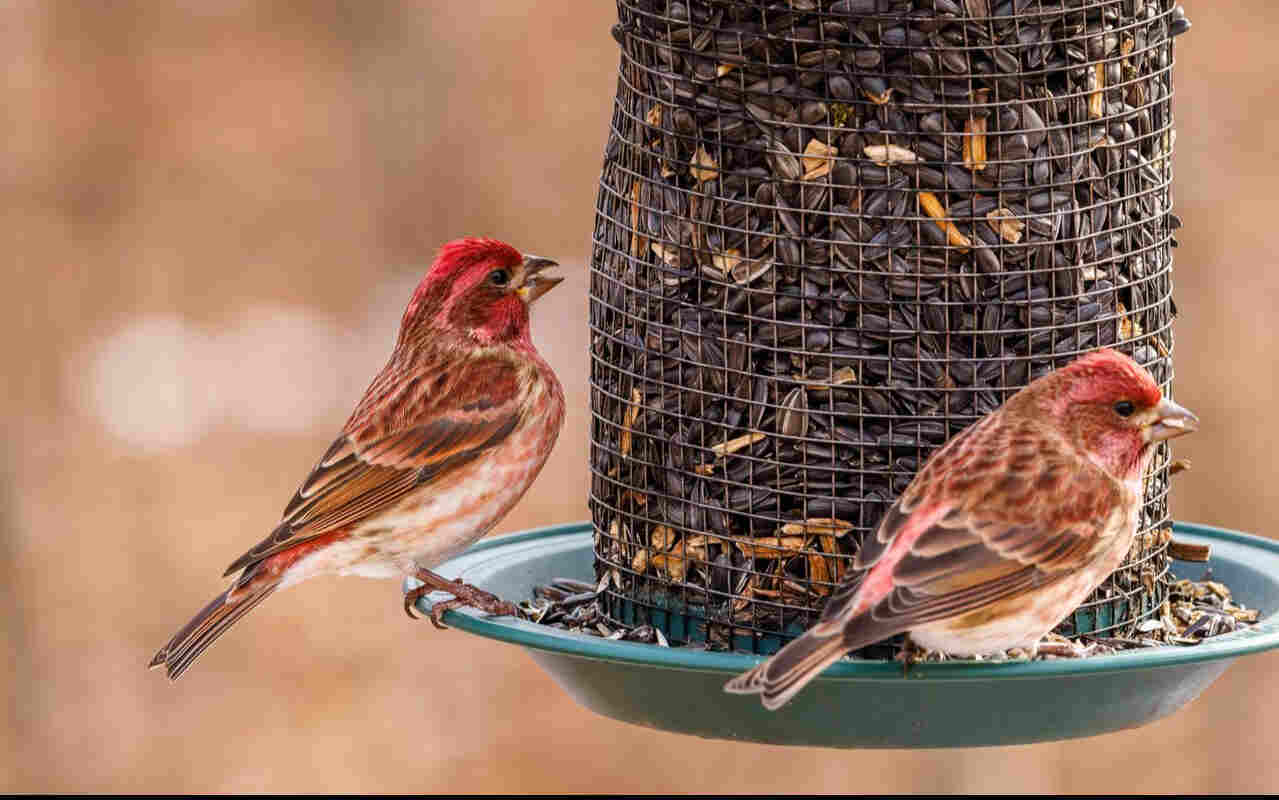
If you keep feeding a cheap, filler-heavy wild bird mix through the fall, you’ll mostly attract ground foragers like starlings and house sparrows. Swapping to pure black oil sunflower seeds turns your yard into the premier neighborhood destination for a beautiful array of colorful winter birds.
According to data compiled by organizations like the Cornell Lab of Ornithology and rated as a top-tier wild bird food by the U.S. Fish and Wildlife Service.htm), black oil seeds are the universally preferred choice for:
- Northern Cardinals
- Tufted Titmice
- Black-Capped Chickadees
- Purple and House Finches
- Downy and Hairy Woodpeckers
- White-Breasted Nuthatches
5. Bonus: A Major Secret Weapon for Homesteaders and Chicken Keepers
If you raise backyard chickens, October is a brutal month. Your flock is likely finishing up their annual autumn molt, leaving them looking ragged, featherless, and highly stressed.
Feathers are made up of over 80% protein, and growing them back takes an immense toll on a chicken’s body.
Throwing a few handfuls of black oil sunflower seeds into your coop starting in October provides the perfect balance of supplemental protein and healthy fats to accelerate feather regrowth, support their immune systems, and even give a subtle boost to winter egg production.
How to Switch Your Feed This Fall
Ready to make the upgrade? Keep these quick tips in mind to get the most out of your autumn bird feeding project:
Choose the Right Feeder: Because BOSS is loved by so many species, use a sturdy tube feeder, a hopper feeder, or an open platform tray to accommodate both clinging and perching birds.
Keep It Dry: High-oil seeds can spoil faster if exposed to constant moisture. Use a feeder with a baffled roof to shield the seeds from autumn downpours.
Buy in Bulk: Store your seeds in a heavy-duty, airtight metal bin. This keeps the seed fresh and prevents clever neighborhood squirrels and mice from chewing through plastic bags to get to the high-value treats.
Wrap Up
Making the simple switch to black oil sunflower seeds every October is a small adjustment that yields massive rewards. You will actively protect your local ecosystem during the roughest months of the year, all while enjoying a front-row seat to a vibrant, non-stop bird show right outside your window. Head to your local feed store or garden center this week to stock up before the first frost hits!