

Picture this: you’re watching a nature documentary, and suddenly this bizarre, fuzzy, long-beaked creature waddles across your screen like something out of a Dr. Seuss book. My first reaction to seeing a kiwi bird was honestly “Wait, that’s a real animal?” Fast forward ten years, and I’ve become completely obsessed with these quirky flightless birds that seem to defy everything we think we know about avian evolution.
So, where are kiwi birds native to? Here’s the thing most people don’t realize: kiwi birds are exclusively native to New Zealand, and their habitat requirements are so specific that understanding where they live tells an incredible story about isolation, evolution, and conservation challenges that’ll blow your mind.
Table of Contents
- 1 The Kiwi’s Exclusive Address: New Zealand Only
- 2 Breaking Down Kiwi Species and Their Native Ranges
- 3 Understanding Kiwi Habitat Requirements
- 4 Historical vs. Current Kiwi Distribution
- 5 Modern Kiwi Habitat: Refuges and Recovery Sites
- 6 Habitat Threats and Conservation Challenges
- 7 Success Stories and Conservation Breakthroughs
- 8 The Future of Kiwi Habitat Conservation
- 9 What This Means for Global Conservation
- 10 Visiting Kiwi Habitat: Responsible Wildlife Tourism
- 11 Final Thoughts: Why Kiwi Habitat Matters
- 12 Author
The Kiwi’s Exclusive Address: New Zealand Only
Let’s get the geography straight right off the bat. Kiwi birds exist nowhere else on Earth except New Zealand. Not Australia (despite what some confused tourists think), not any other Pacific islands, and definitely not in captivity programs outside New Zealand. These birds are as Kiwi as it gets, which is probably why New Zealanders proudly call themselves “Kiwis.”
New Zealand’s isolation played a massive role in kiwi evolution. When the landmasses separated from Gondwana around 80 million years ago, the ancestors of modern kiwis found themselves on islands with no native mammals. This absence of ground predators allowed these birds to abandon flight entirely and develop their unique ground-dwelling lifestyle.
The country’s two main islands, North Island and South Island, plus Stewart Island, host all five kiwi species. Each species adapted to specific environmental conditions, creating distinct habitat preferences that range from dense rainforests to alpine grasslands.
Breaking Down Kiwi Species and Their Native Ranges
Not all kiwis are created equal, and each species claims specific territories within New Zealand. Understanding these distinct ranges reveals fascinating insights into how these birds adapted to different environments over millions of years.
North Island Brown Kiwi (Apteryx mantelli)
The North Island Brown Kiwi dominates the northern regions, as you’d expect from the name. These adaptable birds originally inhabited most of the North Island but now survive in fragmented populations scattered across forests, scrublands, and even some farmland areas.
I find it interesting how this species shows the most flexibility in habitat selection. While they prefer native forests, North Island Brown Kiwis adapt to pine plantations and regenerating scrublands better than their southern cousins. This adaptability probably explains why they’re the most numerous kiwi species, though “numerous” is relative when we’re talking about a bird with maybe 25,000 individuals total.
Their current strongholds include: • Northland forests – particularly around Whangarei and Bay of Islands • Coromandel Peninsula – dense kauri and mixed forests • East Coast regions – from Gisborne to Hawke’s Bay • Central North Island – around Rotorua and Taupo volcanic regions
Great Spotted Kiwi (Apteryx haastii)
The Great Spotted Kiwi rules the rugged mountain regions of South Island’s northwest. These are the largest kiwis, and they need serious wilderness to thrive. Think remote beech forests, alpine grasslands, and terrain that makes hiking boots cry.
Living in places like Kahurangi National Park and the Southern Alps foothills, Great Spotted Kiwis deal with harsh weather conditions that would challenge most birds. They’ve adapted to handle snow, freezing temperatures, and the kind of terrain that makes you question your life choices halfway up the trail.
Their habitat preferences include: • Mountain beech forests at elevations up to 1,200 meters • Tussock grasslands interspersed with forest patches • Remote valleys with minimal human disturbance • Rocky terrain with plenty of hiding spots and foraging areas
Little Spotted Kiwi (Apteryx owenii)
Here’s where the story gets a bit sad and then hopeful again. Little Spotted Kiwis originally lived throughout both main islands but mainland populations went extinct. The entire species survived thanks to a few birds that islanders transported to Kapiti Island in the early 1900s.
Today, Little Spotted Kiwis exist on several offshore islands and a few mainland sanctuary sites with intensive predator control. These birds prefer dense forest undergrowth and seem more sensitive to habitat disturbance than their larger relatives.
Current populations live on: • Kapiti Island – the species’ primary stronghold • Long Island in the Marlborough Sounds
• Motuara Island – a recovery site • Zealandia sanctuary in Wellington (mainland population)
Southern Brown Kiwi (Apteryx australis)
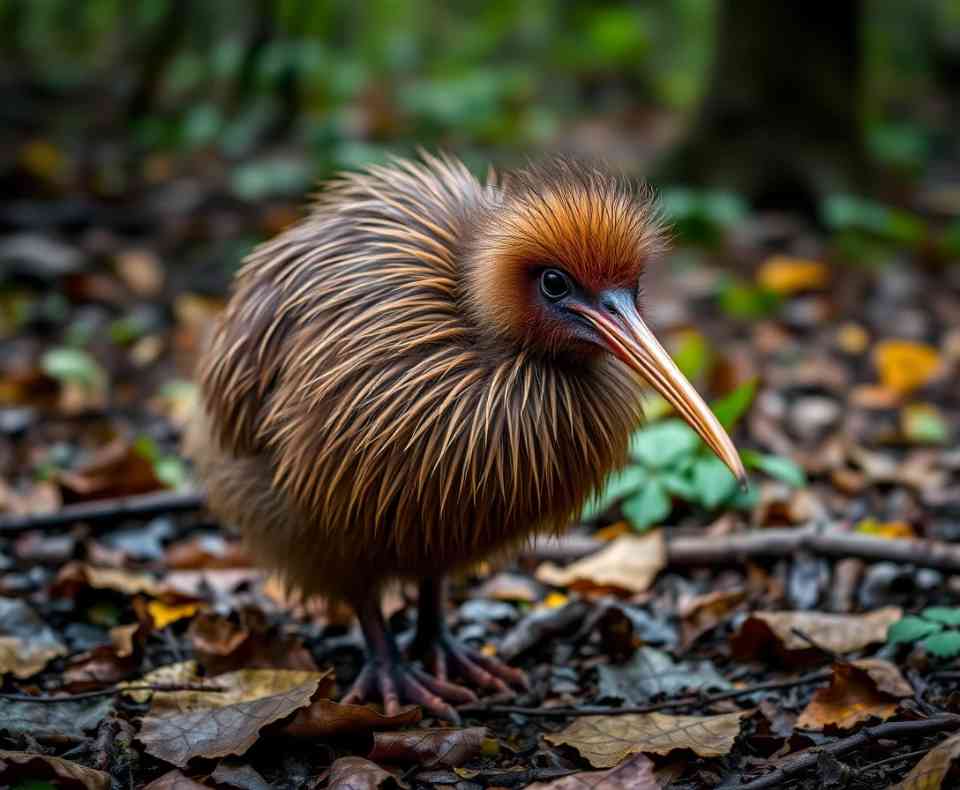
Southern Brown Kiwis call the lower South Island and Stewart Island home. These birds prefer coastal forests, scrublands, and the kind of temperate rainforest that stays damp year-round. Stewart Island hosts the largest population, where these kiwis sometimes forage during daylight hours (unusual for typically nocturnal birds).
The Stewart Island population gives us the best glimpse of what kiwi behavior looks like without intense predation pressure. These birds act more relaxed, forage more openly, and raise their chicks with less paranoia than mainland populations dealing with introduced predators.
Rowi (Apteryx rowi)
Rowi, also called Okarito Brown Kiwi, win the prize for most restricted range. These rare birds exist only in a small area of native forest near Okarito on South Island’s West Coast. We’re talking about a species confined to roughly 10,000 hectares of coastal forest.
This tiny range makes Rowi incredibly vulnerable, but intensive conservation efforts have slowly increased their numbers. Their specific habitat requirements include tall rimu and rata forests with dense understory vegetation near coastal areas.
Understanding Kiwi Habitat Requirements
Kiwi habitat needs go way beyond “some trees and dirt.” These birds evolved specific requirements that make habitat conservation incredibly challenging, especially with New Zealand’s transformed landscape.
Forest Structure and Composition
Dense understory vegetation provides the foundation of good kiwi habitat. These birds need thick ground cover for protection, foraging, and nesting. Open forests with grazed understories simply don’t work, no matter how majestic the canopy trees look.
Native plant communities support the invertebrate populations that kiwis depend on for food. While kiwis can survive in some modified habitats, native forests provide the richest feeding opportunities and most suitable nesting sites.
Fallen logs and debris create perfect kiwi real estate. These birds nest in hollow logs, beneath root systems, and in burrows they dig themselves. “Messy” forests with plenty of deadfall support more kiwis than tidy, managed woodlands.
Soil Quality and Invertebrate Abundance
Soft, organic soils allow kiwis to probe for their favorite foods: earthworms, beetle larvae, and other soil invertebrates. Their long, sensitive bills work like underground metal detectors, feeling for movement and vibrations that indicate prey.
Moisture levels affect invertebrate abundance, which directly impacts kiwi survival. Areas that dry out completely during summer droughts can’t support the worm populations kiwis need. This explains why many kiwi habitats cluster around streams, valleys, and areas with consistent moisture.
Chemical-free environments become increasingly important as agricultural runoff affects soil invertebrate communities. Pesticides and fertilizers that kill soil organisms directly impact kiwi food sources.
Historical vs. Current Kiwi Distribution
The story of where kiwis live now versus where they used to live reads like a conservation tragedy with some recent hopeful chapters. Understanding this historical context explains why kiwi conservation requires such intensive management today.
Pre-Human New Zealand
Before humans arrived, kiwis lived throughout New Zealand in numbers we can barely imagine today. Fossil evidence suggests these birds inhabited everything from coastal dunes to mountain forests, with total populations potentially reaching into the millions.
Different species showed some geographical separation, but their ranges overlapped much more than today. The absence of mammalian predators meant kiwis could live in open habitats that would be death traps in modern New Zealand.
Archaeological sites reveal kiwi bones throughout both main islands, indicating these birds thrived in diverse environments before human colonization changed everything.
The Polynesian Impact
Polynesian settlement around 700-800 years ago began changing kiwi distribution patterns. The introduction of dogs and habitat modification through burning reduced kiwi populations, but the real devastation came later.
Polynesian hunting pressure affected larger, more accessible kiwi populations first. Some evidence suggests certain kiwi species or subspecies went extinct during this period, though the fossil record remains incomplete.
European Colonization: The Conservation Disaster
European settlement from the 1840s onward created the conservation crisis that persists today. Massive deforestation, drainage of wetlands, and introduction of numerous mammalian predators devastated kiwi populations.
Cats, stoats, ferrets, dogs, and possums turned New Zealand into a predator gauntlet that kiwis had never evolved to handle. Ground-nesting birds that evolved without mammalian predators suddenly faced extinction pressures they couldn’t adapt to quickly enough.
By the 1990s, kiwi populations had crashed to roughly 5% of pre-human levels. Some species survived only in the most remote, inaccessible habitats where predator pressure remained manageable.
Modern Kiwi Habitat: Refuges and Recovery Sites
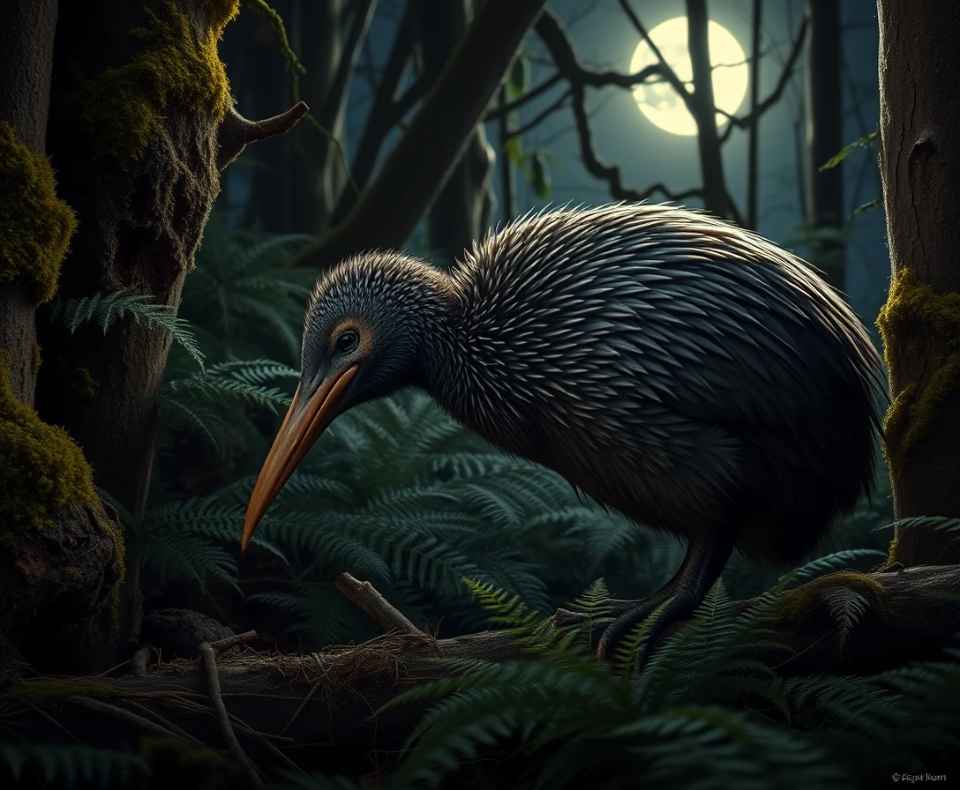
Today’s kiwi populations survive in a patchwork of protected areas, offshore islands, and intensively managed mainland sites. Understanding these modern refuges reveals both the challenges and successes of kiwi conservation.
Offshore Island Sanctuaries
Predator-free offshore islands provide the closest thing to historical kiwi habitat that exists in modern New Zealand. Islands like Kapiti, Little Barrier, and various islands in Hauraki Gulf host kiwi populations that behave more naturally than their mainland cousins.
These island populations show us what kiwi behavior looks like without constant predation pressure. Birds forage more openly, show less wariness, and raise chicks with higher success rates than mainland populations dealing with introduced predators.
Island translocation programs have become crucial for species recovery. Moving kiwis to predator-free islands provides immediate population security while mainland habitat restoration continues.
Mainland Sanctuaries and Intensive Management Areas
Zealandia in Wellington represents the gold standard for mainland kiwi conservation. This fully fenced sanctuary eliminates mammalian predators from 225 hectares of native forest, creating an island-like environment on the mainland.
Predator control programs in places like Tongariro National Park and various regional forests use intensive trapping, poison programs, and monitoring to reduce predator numbers enough for kiwi populations to survive and slowly recover.
These programs require constant vigilance and significant funding. One season of reduced predator control can undo years of kiwi population recovery, making long-term commitment essential for success.
Private Land Conservation
Private conservation initiatives contribute significantly to kiwi habitat protection. Landowners who maintain native forest blocks, control predators, and participate in kiwi monitoring programs provide crucial habitat fragments that connect larger protected areas.
Some of the most successful kiwi conservation happens on private land where dedicated landowners commit to long-term habitat management. These efforts demonstrate how individual actions can contribute to species recovery when coordinated with broader conservation strategies.
Habitat Threats and Conservation Challenges
Understanding where kiwis are native means acknowledging the ongoing threats to their habitat survival. These challenges require coordinated responses that address both immediate threats and long-term landscape management.
Predation Pressure
Mammalian predators remain the primary threat to kiwi populations throughout their native range. Stoats, cats, dogs, and ferrets kill adult birds, while rats destroy eggs and kill chicks. This predation pressure affects every aspect of kiwi habitat use.
Kiwis modify their behavior in response to predator presence, spending more time in dense cover and less time foraging openly. This behavioral adjustment reduces feeding efficiency and limits habitat use to areas with adequate escape cover.
Predator control requires ongoing investment and sophisticated techniques. Different predators require different control methods, and maintaining low predator numbers across large landscapes challenges even well-funded conservation programs.
Habitat Fragmentation
Forest fragmentation isolates kiwi populations and reduces genetic diversity. Small habitat patches can’t support viable long-term populations, and isolated birds struggle to find mates or establish new territories.
Edge effects along forest fragments create additional challenges. Habitat edges experience increased predator activity, different microclimates, and altered plant communities that may not support traditional kiwi food sources.
Connecting habitat fragments through wildlife corridors becomes essential for maintaining genetic flow between populations and allowing natural range expansion as kiwi numbers recover.
Climate Change Impacts
Changing precipitation patterns affect soil moisture levels and invertebrate abundance in kiwi habitats. Increased droughts or flooding events can dramatically reduce the earthworm and larvae populations that kiwis depend on for survival.
Temperature changes shift plant communities and alter forest composition in ways that may affect kiwi habitat quality over time. Species that evolved in stable climates face additional adaptation pressures as environmental conditions change.
Sea level rise threatens coastal kiwi habitats, particularly areas where species like Rowi exist in narrow coastal forest bands with limited inland alternatives.
Success Stories and Conservation Breakthroughs
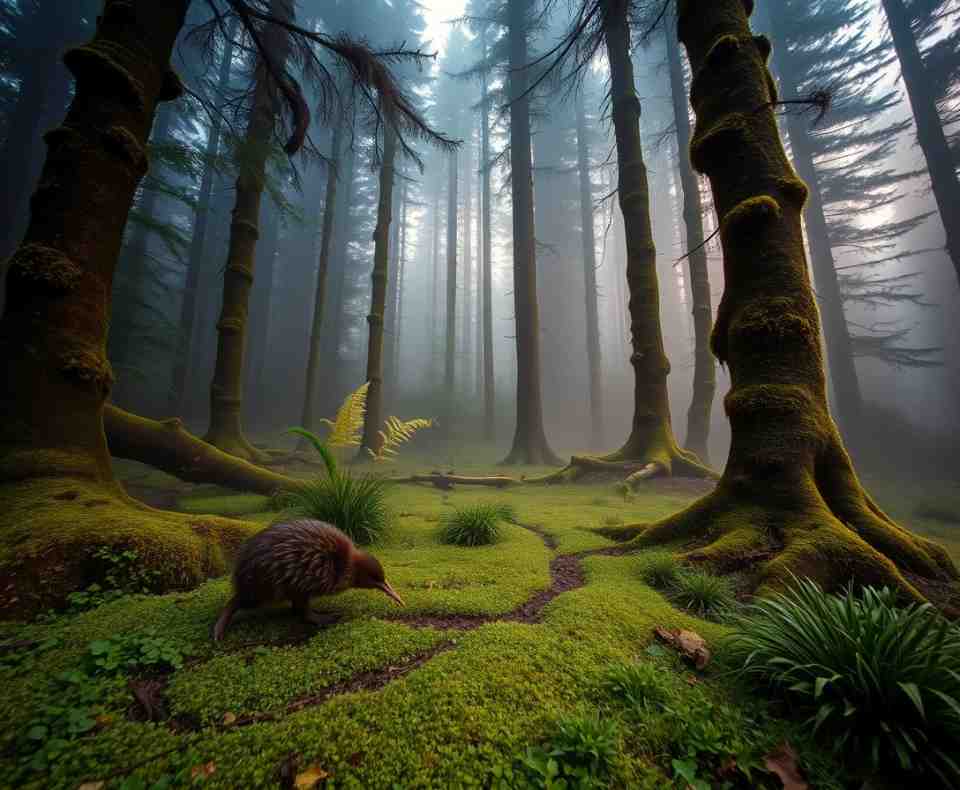
Despite the challenges, kiwi conservation has achieved remarkable successes that offer hope for these unique birds’ future. These success stories demonstrate what’s possible with dedicated effort and adequate resources.
Operation Nest Egg
Operation Nest Egg programs take kiwi eggs from the wild, incubate them in captivity, and raise chicks to a size where they can survive predator encounters before releasing them back to the wild. This intervention dramatically improves chick survival rates.
Traditional wild kiwi chick survival hovers around 5-20% in areas with predator pressure. Operation Nest Egg programs achieve 65-85% survival rates by removing the most vulnerable life stages from predator-rich environments.
I remember reading about the first successful releases and thinking this sounded too good to be true. But the data backs up the optimism 🙂 Several populations have stabilized or grown thanks to this intensive management approach.
Community Conservation Programs
Community-based conservation engages local residents in predator control, habitat restoration, and kiwi monitoring. Programs like Kiwis for Kiwi coordinate volunteer efforts across New Zealand, making large-scale conservation possible.
School programs teach children about kiwi conservation while involving them in real conservation activities. These programs build long-term conservation commitment while providing immediate benefits for kiwi populations.
Local communities often become fiercely protective of “their” kiwi populations once they understand the conservation challenges and see positive results from their efforts.
Technological Innovations
Radio transmitters and GPS tracking allow researchers to monitor kiwi movements, habitat use, and survival with unprecedented detail. This technology reveals habitat preferences and threats that weren’t obvious from traditional observation methods.
Automated monitoring systems use motion sensors and cameras to track kiwi populations and predator activity without constant human presence. These systems provide continuous data that improves conservation decision-making.
Genetic analysis helps managers understand population relationships, genetic diversity, and breeding success in ways that inform translocation decisions and population management strategies.
The Future of Kiwi Habitat Conservation
Looking ahead, kiwi habitat conservation requires expanding successful approaches while addressing new challenges that threaten these unique birds’ survival.
Landscape-Scale Management
Ecosystem-level conservation approaches treat entire landscapes as integrated systems rather than managing individual habitat patches in isolation. This approach recognizes that kiwi conservation requires healthy ecosystems, not just protected forest fragments.
Predator-free New Zealand represents an ambitious vision that would eliminate introduced mammalian predators from the entire country. While challenging, technological advances in predator control make this goal increasingly realistic.
Climate adaptation strategies help kiwi habitats remain viable as environmental conditions change. This might include assisted migration to new suitable habitats or intensive management to maintain habitat conditions within historical ranges.
Expanding Conservation Partnerships
Corporate partnerships provide funding and expertise that government agencies and NGOs can’t match alone. Companies investing in kiwi conservation gain valuable environmental credentials while contributing to genuine conservation outcomes.
International collaboration shares New Zealand’s conservation innovations with other countries facing similar challenges while bringing outside expertise and resources to kiwi conservation efforts.
Tourism integration makes kiwi conservation economically valuable by connecting habitat protection with visitor experiences. Sustainable kiwi tourism can fund conservation while educating international audiences about these remarkable birds.
What This Means for Global Conservation
Kiwi conservation in New Zealand offers lessons that extend far beyond these unique birds and their island home. The challenges and successes provide insights for conservation efforts worldwide.
Island Biogeography Lessons
Island species everywhere face similar challenges from introduced predators, habitat loss, and human pressure. New Zealand’s intensive management approaches provide models for other island conservation programs.
Translocation techniques developed for kiwis work for other endangered species facing similar threats. The protocols for establishing new populations and managing genetic diversity apply broadly to conservation biology.
Community Engagement Models
Volunteer-based conservation programs pioneered for kiwis demonstrate how community engagement can achieve conservation outcomes that government programs alone couldn’t accomplish.
Education and outreach strategies that build local support for kiwi conservation provide templates for engaging communities in conservation efforts for other species and ecosystems.
Visiting Kiwi Habitat: Responsible Wildlife Tourism
Want to experience kiwi habitat firsthand? New Zealand offers several opportunities to see these remarkable birds while supporting their conservation, though you’ll need realistic expectations about your chances of spotting one.
Where You Might Actually See Kiwis
Stewart Island provides the best wild kiwi viewing opportunities, particularly around Mason Bay and other remote beaches where Southern Brown Kiwis sometimes forage during daylight hours. Even here, sightings require patience and luck.
Zealandia in Wellington offers guided night tours with reasonable chances of kiwi encounters. The controlled environment and habituated birds make this one of the most reliable places to see kiwis behaving naturally.
Rainbow Springs and other wildlife parks display kiwis in nocturnal houses where you can observe their behavior up close. While not wild encounters, these facilities contribute to kiwi conservation through breeding programs and education.
Responsible Kiwi Tourism
Stay on designated tracks and follow all guidelines when visiting kiwi habitats. These birds are extremely sensitive to disturbance, and off-track hiking can destroy feeding areas and nesting sites.
Support conservation programs by choosing tour operators that contribute directly to kiwi conservation efforts. Your tourism dollars can fund ongoing habitat protection and predator control programs.
Manage expectations about wildlife encounters. Kiwis are nocturnal, secretive, and rare. IMO, experiencing their habitat and understanding their conservation challenges is rewarding even without actual bird sightings.
Final Thoughts: Why Kiwi Habitat Matters
Five species of flightless birds surviving on remote islands might seem like a conservation curiosity with limited broader significance. But kiwi habitat conservation represents something much more important: proof that intensive, science-based conservation can prevent extinctions and restore ecosystems even after massive damage.
The story of where kiwis are native teaches us about evolution, extinction, and the incredible resilience of both ecosystems and human dedication. These weird, wonderful birds that look like they escaped from a fantasy novel demonstrate what’s possible when we commit to protecting the planet’s most unique species and the habitats that sustain them.
Next time someone asks you where kiwi birds come from, you can tell them they’re exclusively from New Zealand, and then share the remarkable story of how an entire nation decided these quirky ground-dwellers were worth saving. Because honestly, a world without kiwis would be a much less interesting place :/