
What is it about certain birds that makes us smile instantly? From tiny songbirds with oversized eyes to puffins that waddle like clowns, the cutest birds in the world charm us with their colors, expressions, and quirky behaviors. In this article, we’ll explore 13 of the most adorable avian wonders that prove nature has a playful side. Whether you’re a birdwatcher or just need a mood boost, these feathered cuties are guaranteed to brighten your day.
Why Do We Find Certain Birds Cute?
It’s not just their appearance, there’s science behind why some birds tug at our heartstrings more than others. Features such as disproportionately large eyes, soft rounded bodies, and expressive faces often trigger a nurturing response in humans, similar to how we react to babies or puppies.
Additionally, bright and varied plumage, energetic movements, and social behaviors can amplify a bird’s appeal. For many people, observing these traits in birds evokes feelings of happiness, calm, and wonder. This emotional connection is why birdwatching is such a beloved hobby and why certain species become icons of cuteness across cultures.
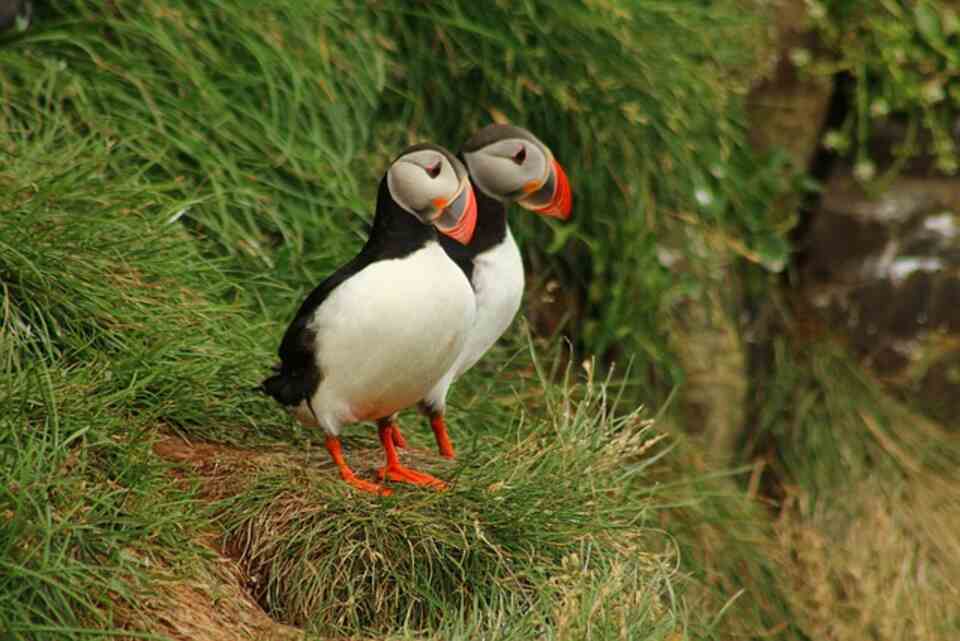
Atlantic Puffin (Fratercula arctica)
The Clown of the Sea
The Atlantic Puffin is instantly recognizable, not just for its striking beak but also for its endearing personality. Its colorful beak, which glows even brighter during the breeding season, contrasts beautifully with its black and white feathers. Puffins are often seen waddling awkwardly on rocky cliffs, adding to their comedic charm.
They nest in burrows on remote islands, forming large colonies that are a spectacle to witness. Their social interactions, such as bill rubbing (known as “billing”), further enhance their cuteness. Watching a puffin take off or land, often clumsily, can bring a smile to anyone’s face. These birds are also excellent parents, taking turns caring for their single chick and braving harsh weather to bring back fish from the sea.
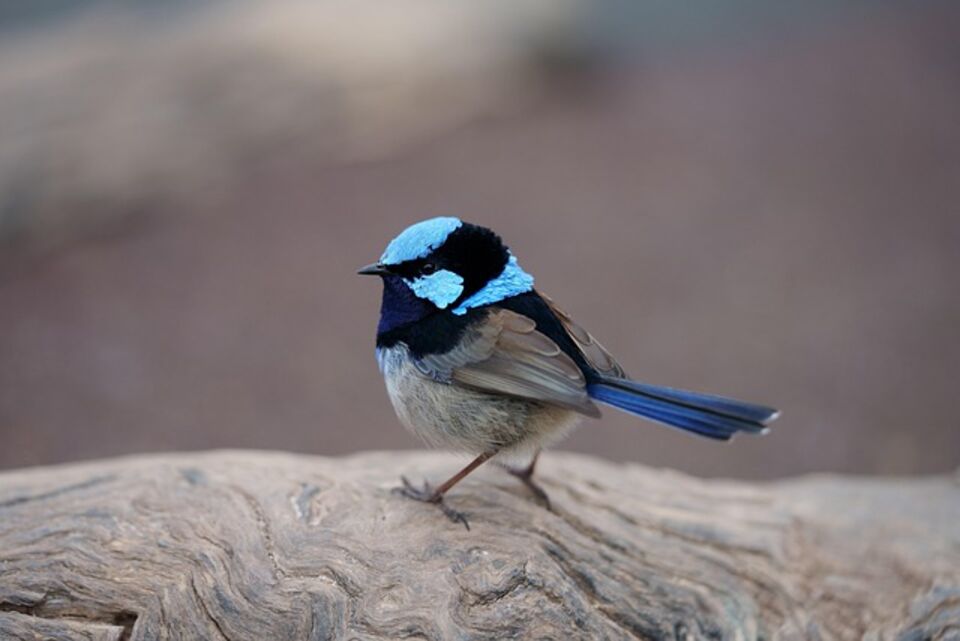
Superb Fairywren (Malurus cyaneus)
A Tiny Jewel of Australia
The Superb Fairywren is a true marvel, especially when the males don their electric blue feathers during the breeding season. These tiny birds, weighing less than a quarter, flit energetically through shrubs and undergrowth, often in small family groups. Their social structure is fascinating, with cooperative breeding and complex relationships within their flocks.
Males are known for their courtship displays, which include singing and offering flower petals to females, a behavior as charming as it is unique. Even outside of breeding season, their inquisitive nature and constant movement make them a joy to observe in gardens and parks. The contrast between the males’ vivid blue and the females’ soft brown tones adds visual interest, making every sighting special.
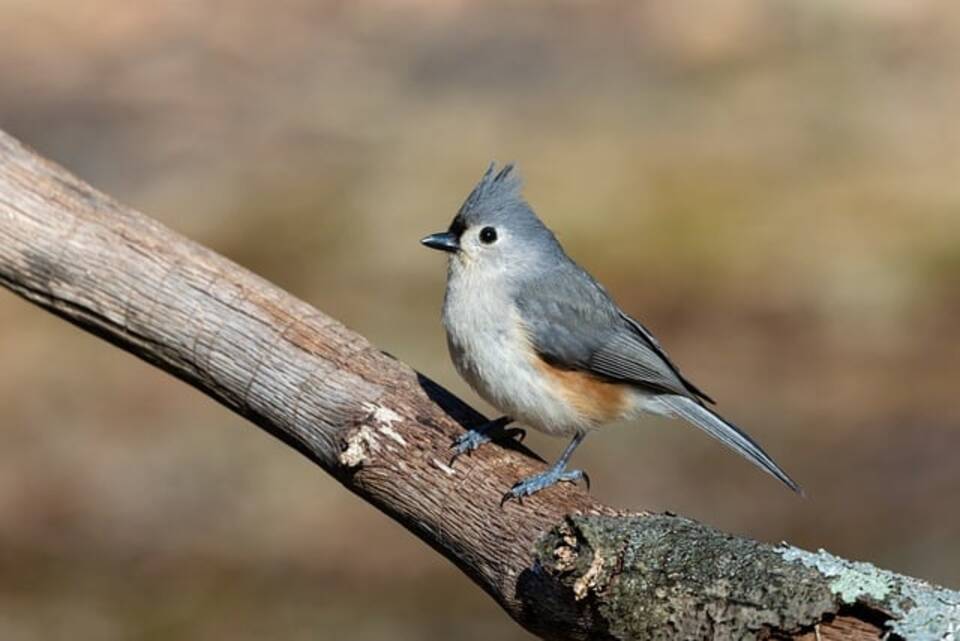
Tufted Titmouse (Baeolophus bicolor)
The Curious Little Songbird
The Tufted Titmouse stands out with its soft gray plumage, expressive black eyes, and the signature tufted crest that gives it a perpetual look of curiosity. These birds are highly active, often seen hopping from branch to branch or hanging upside down as they search for insects and seeds. Their boldness is remarkable, they’re among the first to visit backyard feeders, often grabbing sunflower seeds and darting away to enjoy them in private.
The titmouse’s gentle, whistled calls add a soothing soundtrack to woodlands and suburban gardens alike. In winter, they form mixed-species flocks, displaying their adaptability and sociable nature. Their playful antics and fearless approach to humans make them a favorite among birdwatchers of all ages.
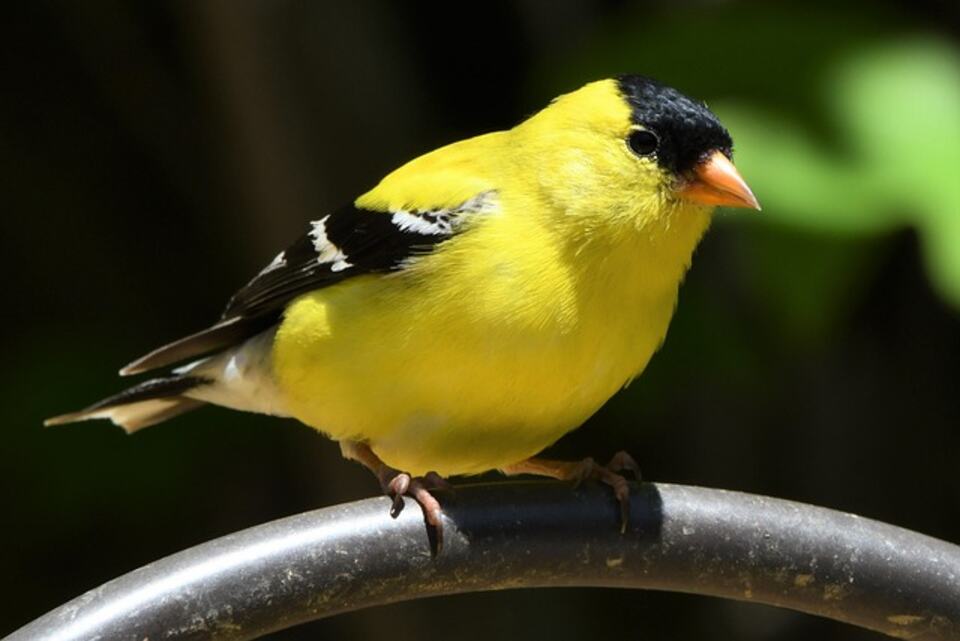
American Goldfinch (Spinus tristis)
The Cheerful Yellow Beauty
Few birds are as instantly uplifting as the American Goldfinch. Males in breeding plumage sport brilliant yellow feathers with contrasting black caps and wings, making them look like flying sunbeams. These finches are highly acrobatic, often seen clinging to the tops of thistles and sunflowers as they feed. Their undulating, bouncy flight and sweet, tinkling calls bring a sense of joy to any landscape.
Goldfinches are also unique in their nesting habits, waiting until late summer when seeds are abundant to raise their young. Their gentle, non-aggressive demeanor allows them to coexist peacefully with other songbirds at feeders. In winter, their plumage shifts to a softer olive tone, but their charm remains undiminished as they flock together in search of food.
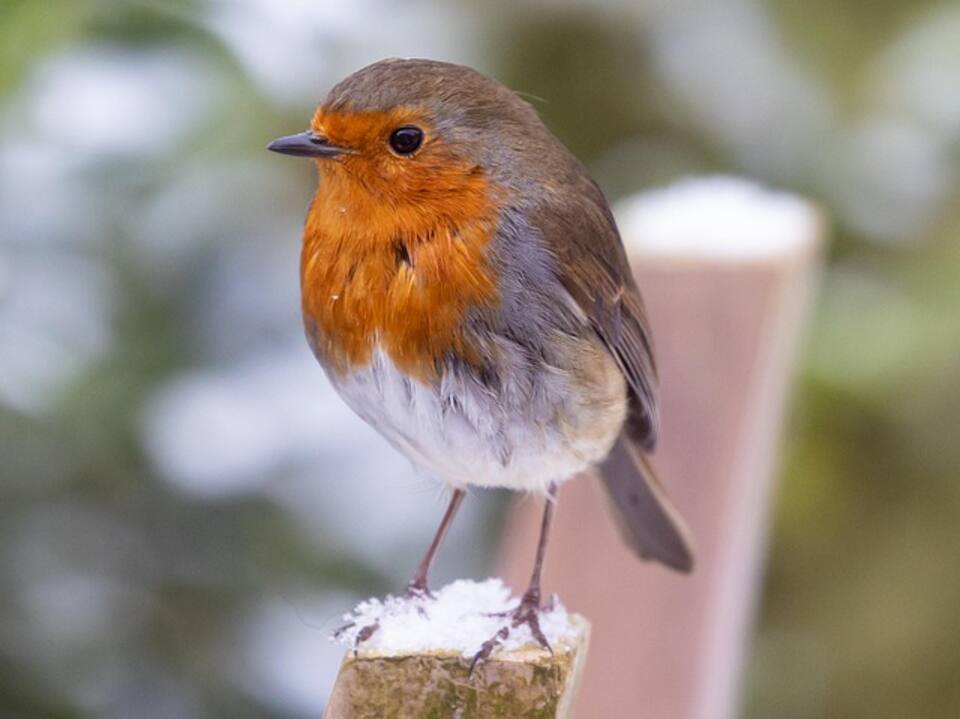
European Robin (Erithacus rubecula)
The Symbol of Christmas
The European Robin is a beloved figure in folklore and holiday traditions, often depicted on Christmas cards and decorations. Its plump, round body and vivid orange-red breast make it instantly recognizable, even to casual observers. Robins are known for their sweet, melodic songs, which can be heard throughout the year, even on cold winter days. Despite their gentle appearance, these birds are fiercely territorial, often engaging in spirited displays to defend their patch.
Their approachable nature means they’re frequently seen hopping around gardens, sometimes following gardeners in search of unearthed worms. The robin’s presence is often associated with hope and renewal, making it a cherished symbol in many cultures. Their adaptability to urban environments has only increased their popularity and visibility.
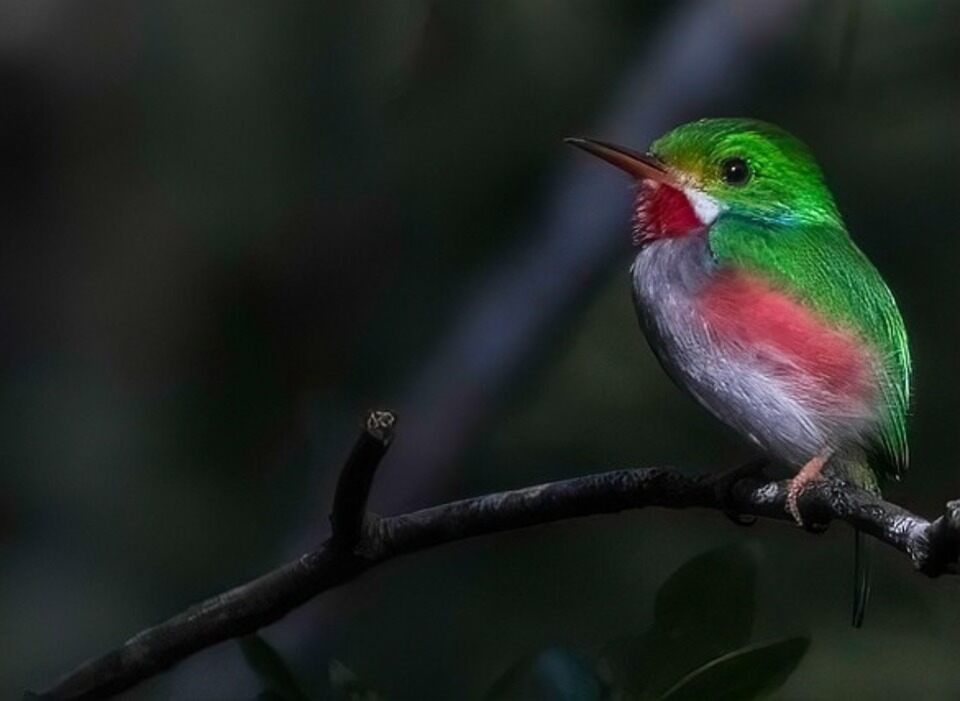
Cuban Tody (Todus multicolor)
The Tiny Tropical Wonder
The Cuban Tody is a true gem of the Caribbean, dazzling observers with its vibrant green upperparts, rosy throat, and snow-white belly. Despite its diminutive size, barely four inches long, this bird packs a punch in personality and color. Cuban Todys are often seen darting through dense vegetation, their rapid wingbeats producing a distinctive humming sound.
They are highly territorial and use a variety of vocalizations to communicate with mates and rivals. These birds nest in tunnels dug into earth banks, a unique behavior among small birds. Their inquisitive eyes and almost toy-like appearance make them especially endearing. Spotting a Cuban Tody in the wild is a highlight for any birdwatcher visiting Cuba, as their beauty and energy are truly unforgettable.
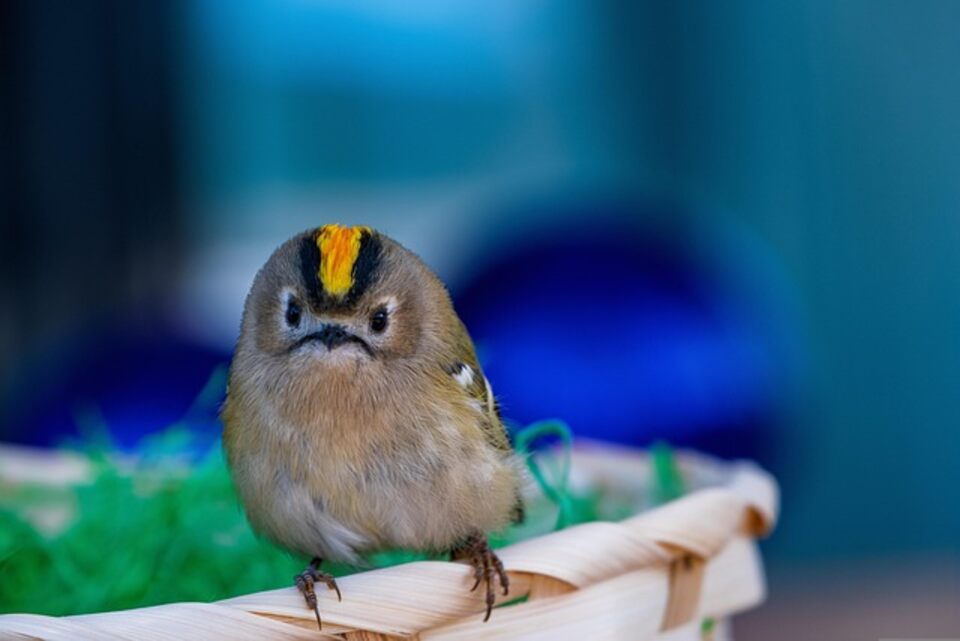
Goldcrest (Regulus regulus)
Europe’s Smallest Bird
The Goldcrest may be tiny, but it leaves a big impression. Weighing less than six grams, it’s Europe’s smallest bird, yet its golden crown stripe shines brightly against its olive-green plumage. Goldcrests are incredibly active, flitting rapidly among conifer branches as they search for insects and spiders. Their high-pitched calls are often the first clue to their presence, as their size makes them easy to overlook.
Despite their fragility, Goldcrests are remarkably resilient, surviving freezing winters by huddling together and increasing their food intake. Watching a Goldcrest forage, its delicate movements and constant energy, is a delightful experience. Their diminutive stature and bold markings make them a favorite subject for nature photographers and bird enthusiasts alike.
Rufous Hummingbird (Selasphorus rufus)
The Fiery Flash of the West
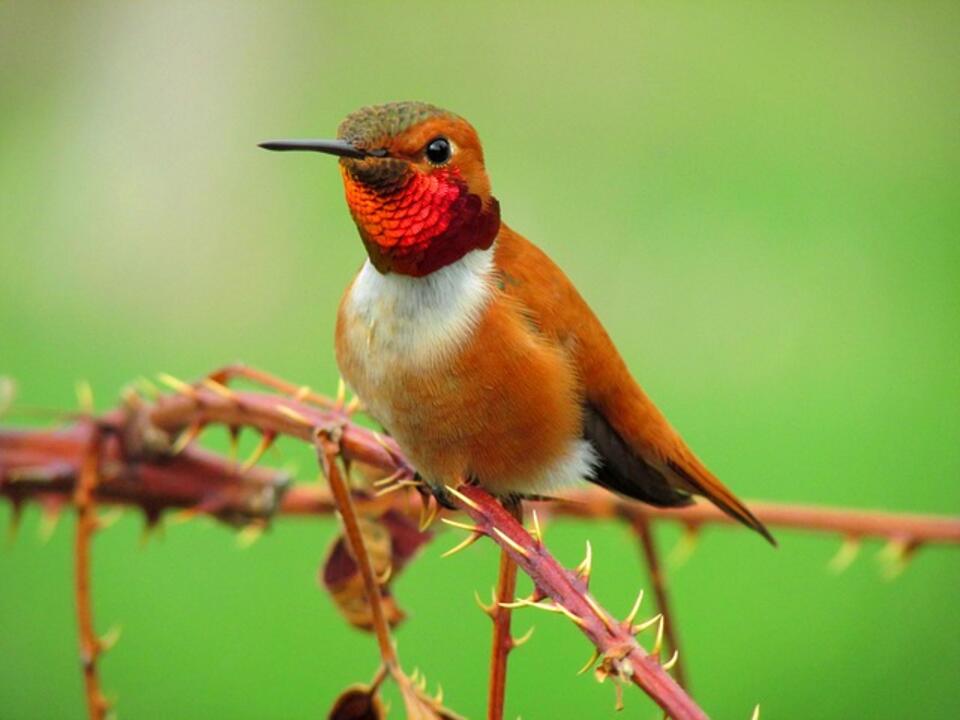
The Rufous Hummingbird is a tiny powerhouse, renowned for its dazzling orange-red plumage and feisty personality. These hummingbirds are fiercely territorial, often chasing away much larger birds from their feeding grounds. Their wings beat at astonishing speeds, creating a distinctive hum as they hover and dart from flower to flower.
Rufous Hummingbirds undertake one of the longest migrations relative to body size, traveling thousands of miles between breeding grounds in the Pacific Northwest and wintering areas in Mexico. Their iridescent feathers shimmer in the sunlight, creating a breathtaking spectacle. Observing a Rufous Hummingbird up close, with its rapid movements and fearless attitude, is a thrilling experience that showcases the wonders of the avian world.
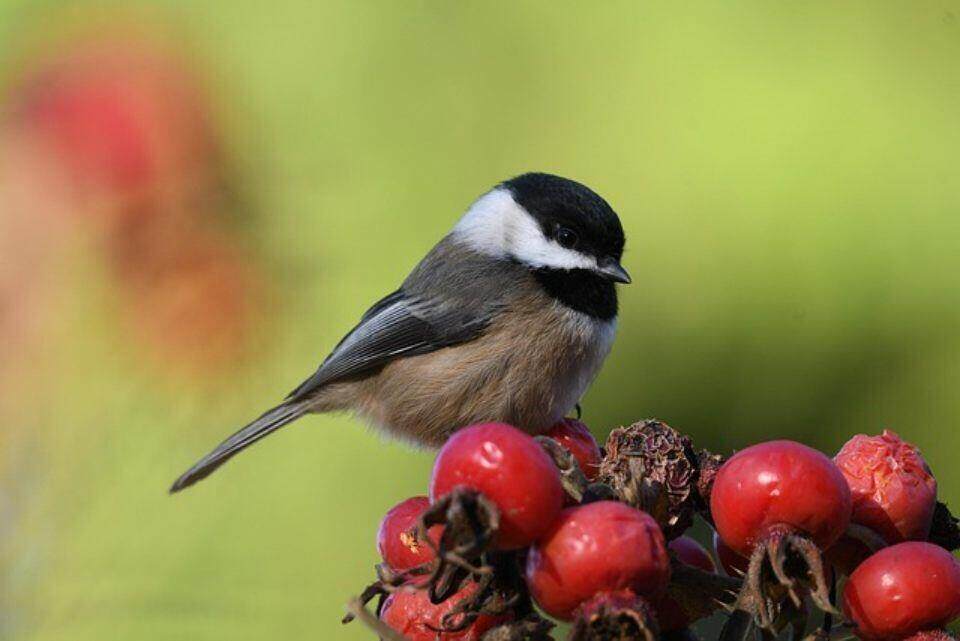
Black-Capped Chickadee (Poecile atricapillus)
The Friendly Forest Companion
With its bold black cap and bib, the Black-Capped Chickadee is a familiar and much-loved sight in North American forests and backyards. These birds are renowned for their curiosity and intelligence, often approaching humans without hesitation. Chickadees have a complex system of calls, using different notes to communicate information about food sources and potential dangers.
They are also expert food hoarders, hiding seeds and insects in hundreds of locations and remembering each spot for months. In winter, chickadees fluff up their feathers to stay warm and often join mixed flocks with other small birds. Their cheerful “chick-a-dee-dee-dee” call is a hallmark of quiet woodland walks, adding a touch of warmth and friendliness to even the coldest days.
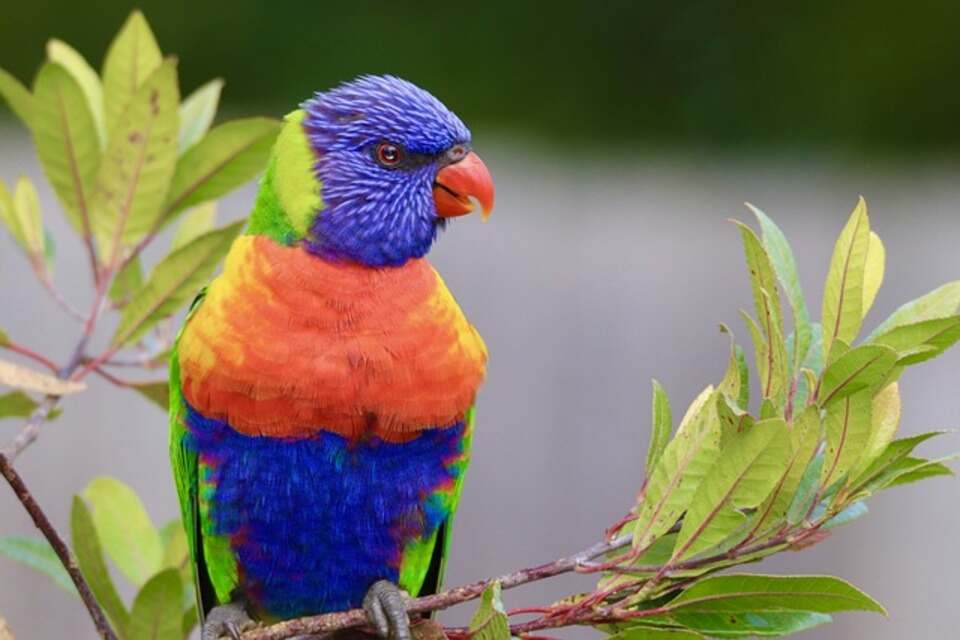
Rainbow Lorikeet (Trichoglossus moluccanus)
A Living Rainbow
The Rainbow Lorikeet is a true spectacle, with feathers that span nearly every color of the rainbow. Native to Australia’s coastal regions, these parrots are highly social and often seen in noisy, chattering flocks. Their playful nature is evident as they chase each other through the treetops or hang upside down to feed on nectar and fruit.
Rainbow Lorikeets have specialized brush-tipped tongues that allow them to lap up sweet liquids from flowers, making them important pollinators. Their bold personalities and lack of fear around humans make them popular in urban parks and gardens, where they often visit feeders. Watching a group of Rainbow Lorikeets interact is like witnessing a living kaleidoscope, bursting with energy and color.
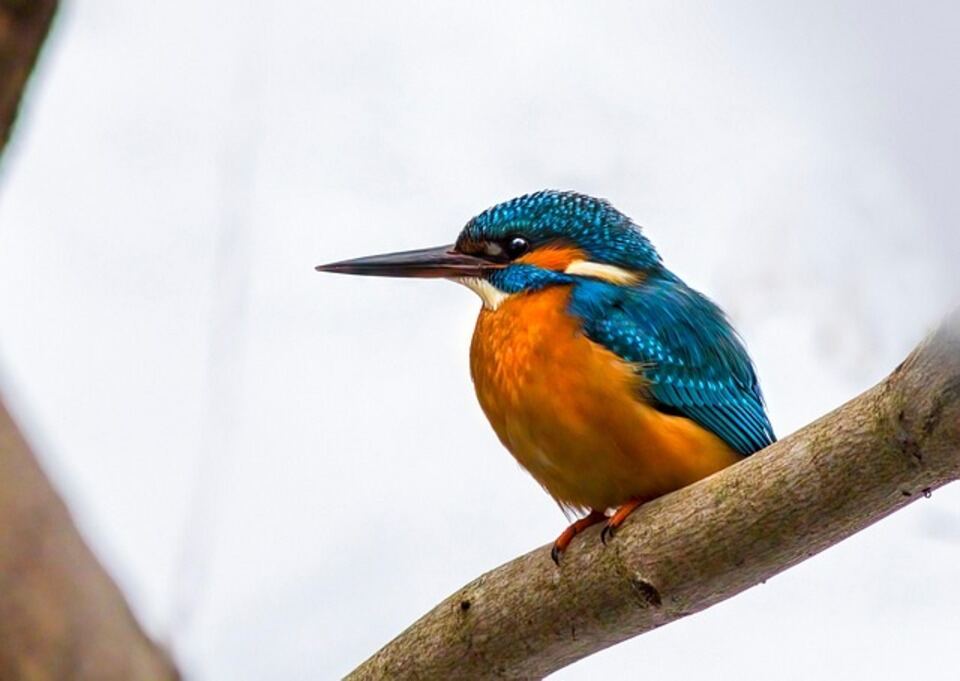
Common Kingfisher (Alcedo atthis)
The Jewel of the Waters
The Common Kingfisher, often seen darting along rivers and streams, is a dazzling sight with its brilliant blue and orange plumage. These birds are expert fishers, perching silently before plunging headfirst into the water to catch small fish and aquatic insects. Their compact bodies and short tails make them agile hunters, while their sharp, pointed bills are perfectly adapted for their diet.
Kingfishers are solitary and territorial, often returning to the same perch day after day. Their rapid, whirring flight and distinctive, high-pitched call make them easy to identify once spotted. The sight of a kingfisher darting over a river’s surface is a magical moment for any nature lover, highlighting the beauty and precision of avian life.
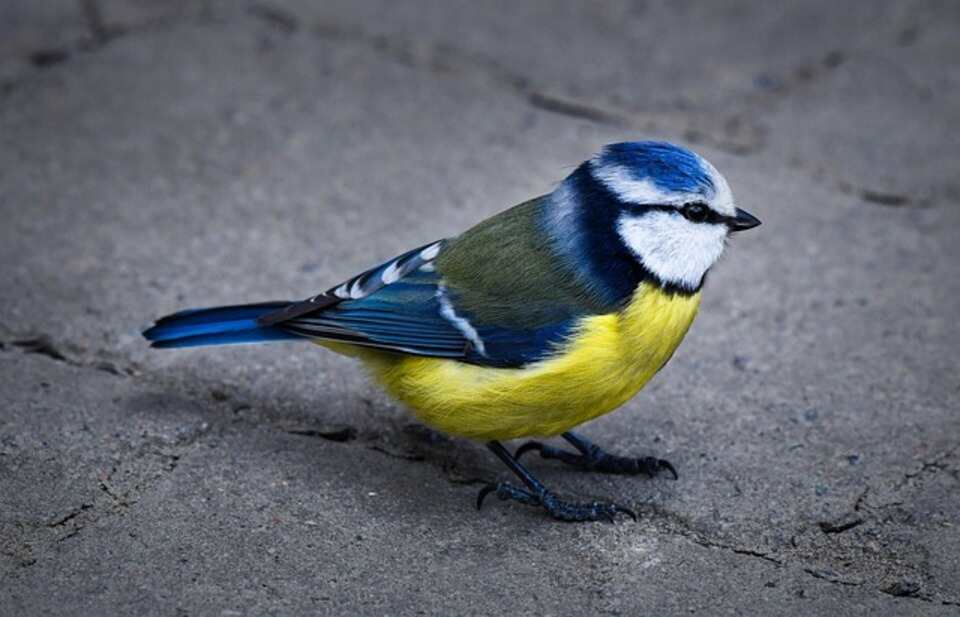
Eurasian Blue Tit (Cyanistes caeruleus)
The Blue-Capped Cutie
The Eurasian Blue Tit is a small bird with a big personality, easily recognized by its bright blue crown, wings, and tail, contrasted with a yellow belly and greenish back. These agile birds are often seen performing acrobatic feats as they search for insects and seeds among the branches. Blue Tits are highly adaptable, thriving in woodlands, gardens, and even urban parks across Europe.
Their intelligence is well-documented, they’ve been observed solving puzzles to access food and even learning to peck through foil tops of milk bottles. During the breeding season, their cheerful songs fill the air, and their nests, often built in tree holes or nest boxes, are a testament to their resourcefulness. Their lively antics and striking colors make them a perennial favorite.
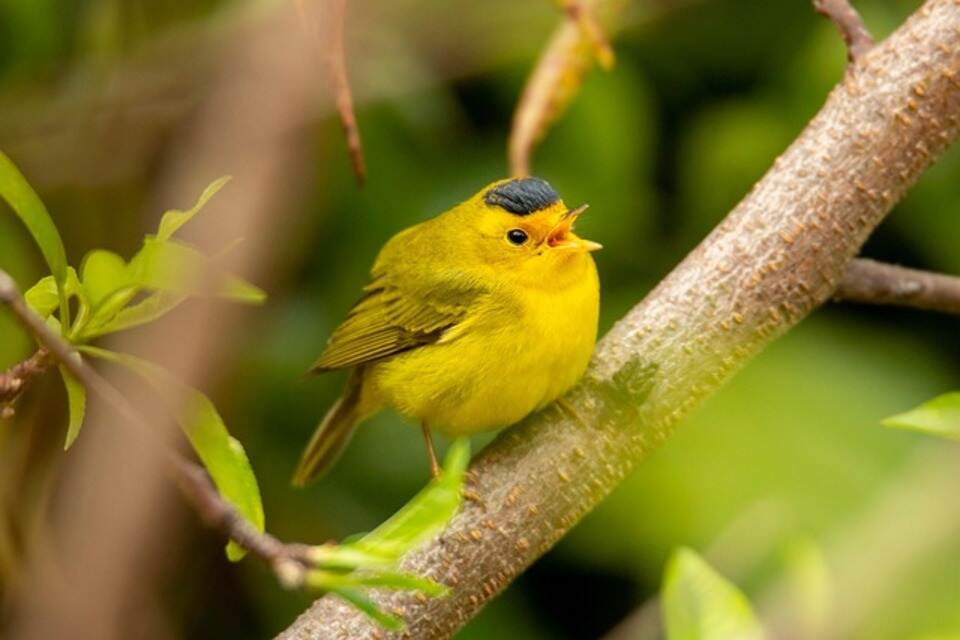
Wilson’s Warbler (Cardellina pusilla)
The Tiny Yellow Flash
Wilson’s Warbler is a petite and energetic songbird, instantly recognizable by its bright yellow plumage and distinctive black cap, which gives it a dapper appearance. These warblers are constantly on the move, flitting through shrubs and low branches in search of insects. Their lively behavior and cheerful songs make them a delight to encounter during spring and fall migrations.
Wilson’s Warblers breed in northern forests and travel remarkable distances to winter in Central America, demonstrating impressive endurance for such a small bird. Despite their size, they are bold and inquisitive, often coming close to observers. Their sunny coloration and quick, darting movements bring a flash of brightness to any birdwatching outing, leaving a lasting impression on all who spot them.
Conclusion
Exploring the top 13 cutest birds in the world reveals not only their physical beauty but also the fascinating behaviors and adaptations that make them so captivating. Each species on this list brings its own unique charm, from the puffin’s comical antics to the hummingbird’s dazzling agility.
Observing these birds in their natural habitats can deepen our appreciation for the wonders of the natural world and inspire us to protect these precious creatures. Whether you’re an experienced birder or a newcomer, taking the time to watch and learn about these adorable birds can bring joy, relaxation, and a greater sense of connection to nature.
Tips to Observe and Photograph Cute Birds
- Invest in quality binoculars or a camera with a good zoom to observe birds closely without disturbing them. This allows you to appreciate their details and behaviors from a respectful distance.
- Research local hotspots and migration seasons to increase your chances of seeing rare or particularly cute species. Many parks and reserves offer guided walks or observation points.
- Practice patience and quiet observation, as birds are often more active and visible when they feel safe and undisturbed.
- Learn to recognize bird calls and songs, which can help you locate hidden birds and understand their behaviors.
- Support conservation efforts, such as habitat restoration and responsible bird feeding, to ensure these beautiful species thrive for generations to come.
By cherishing and protecting these adorable birds, we not only enrich our own lives but also contribute to the preservation of the incredible biodiversity that makes our planet so special. Share this guide with fellow bird lovers and stay tuned for more in-depth wildlife content!